
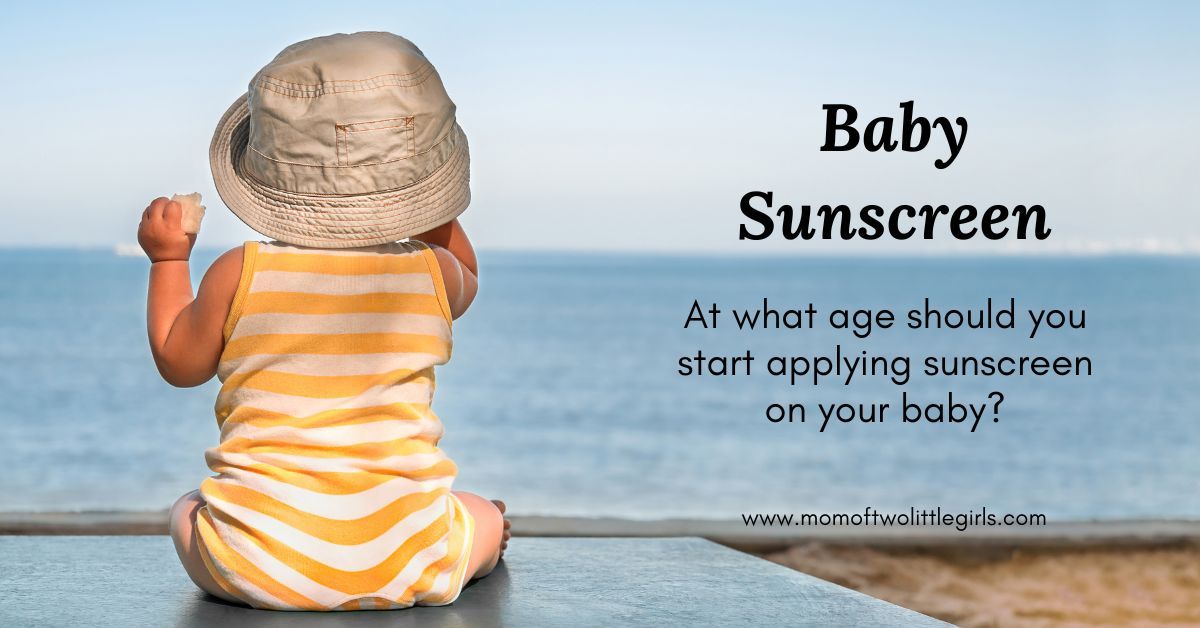
Mums … let’s talk about something super important: protecting your baby’s delicate skin from the sun. You might have heard about the “ozone hole” and all those scary UV rays, but let’s break it down into something more relatable.
Remember how we used to hear a lot about the ozone layer and how it’s like Earth’s natural sunscreen? Well, in the past, we humans weren’t so kind to it. From the 1930s to the mid-80s, we used a lot of nasty chemicals (CFCs, to be exact) that messed with the ozone. While these have been banned, the damage was already done, leading to thinner ozone and more UV rays sneaking through.
Now, what does this mean for us and our tiny tots? Simply put, our skin—and especially the sensitive skin of our babies—is more exposed to these harmful rays than before. That’s why finding a good baby sunscreen is crucial.
Babies have incredibly delicate skin, and it doesn’t take much sun to cause damage. So, investing in a gentle yet effective sunscreen for your baby is one of the best things you can do. Think of it as adding an extra layer of love and protection every time you step out into the sunshine.
So, let’s explore the world of baby sunscreens and ensure that those little cheeks stay safe and happy!
How and When to Apply Baby Sunscreen
As regular readers of this blog, you’ll know that I am a huge advocate for kids playing outside. But we always need to protect our children’s skin from sun damage. So how old should your child be when you start applying sunscreen?
According to the NHS, babies under 6 months should be kept out of direct sunlight. When adequate clothing and shade are not available, parents can apply a minimal amount of sunscreen with at least SPF 15 to small areas, such as the infant’s face and the back of the hands”. But when it’s time to apply baby sunscreen, here is how to go about it.
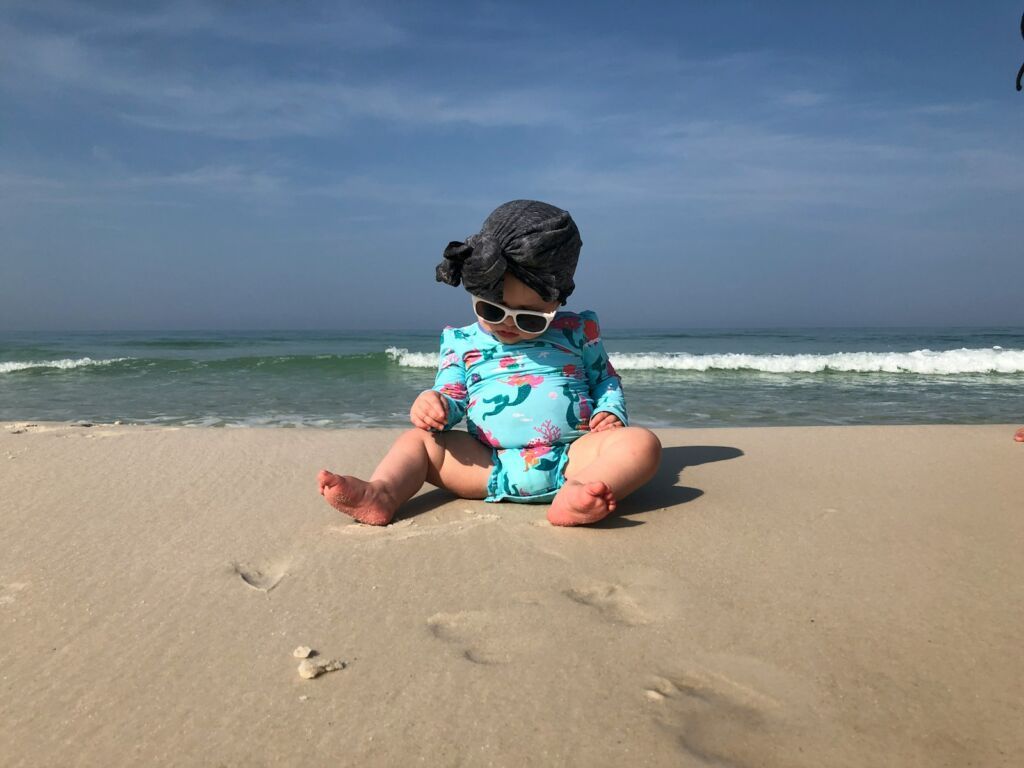
Test for Allergies
Baby sunscreens are formulated to suit a baby’s delicate skin. However, some sunscreens are more likely to cause a skin reaction compared to others. Recommendations from other parents and advice from experts on the best sunscreens for babies can help you choose one that has a low risk of an allergic reaction. Even if a particular sunscreen has a low risk of an adverse reaction, you should still do a patch test before using it. A patch test is where you apply a small amount of sunscreen to the inside of your baby’s elbow or behind the ear. You will have to wait for 24 to 48 hours and observe for any signs of an allergic reaction, such as redness, swelling, itching, or blistering.
Apply in Advance
Baby sunscreens are mineral-based products that use minerals such as zinc oxide and titanium dioxide to form a protective layer on the surface of your child’s skin. These ingredients are not absorbed by the skin but if you apply it 5 to 10 minutes before you leave, the moisturising agents in the sunscreen will have a chance to be absorbed so that your baby’s skin is hydrated and protected.
Cover all Exposed Skin
Many parents make the mistake of only applying sunscreen to their baby’s face. Sunscreen should be applied to all areas of skin that are exposed. “BEENS” is an easy way to remember the areas that are often forgotten – it stands for Back of knees, Ears, Eye area, Neck and nose and Scalp.
Apply Generously and Frequently
Studies have found that most people do not use enough sunscreen. You need to use a generous amount of sunscreen – for your face, you would need to follow the “two finger lengths” rule (where you squeeze the tube to form a line of sunscreen from the base of your finger to the tip of your index and middle fingers. You can compare your fingers to your baby’s fingers so that you can adjust the amount proportionately. Don’t try to rub the sunscreen into your baby’s skin; instead, apply it gently and pat it lightly to get an even layer. Reapply your baby’s sunscreen every two hours and more often if you’re at the pool or beach.
Use Throughout the Year
Many people assume that they don’t need to apply sunscreen to their baby on cloudy days. However, according to the Met Office, up to 80% of the sun’s UV rays penetrate light clouds which means that sunscreen should be a part of your baby’s routine skincare when going outdoors. Although we associate sunscreen with summer, it is especially important in winter when there’s snowfall. This is because snow reflects approximately 85% of the sun’s UV rays, which means that when you take your child outdoors, both of you are exposed to direct sunlight as well as reflected sunlight, which drastically increases your UV exposure.
Knowing how and when to apply sunscreen to your baby and young children is as important as understanding common skin conditions like baby acne vs eczema. If you’re taking your baby to the beach, use a water-resistant baby sunscreen, but a regular baby sunscreen will do if you’re just going to the park. Avoid sunscreen sprays since your baby may accidentally inhale the spray; instead, opt for a sunscreen stick or lotion. Sunscreens are not recommended for babies under 6 months, so it’s best to protect them from sunlight by keeping them in the shade.




Leave A Comment