
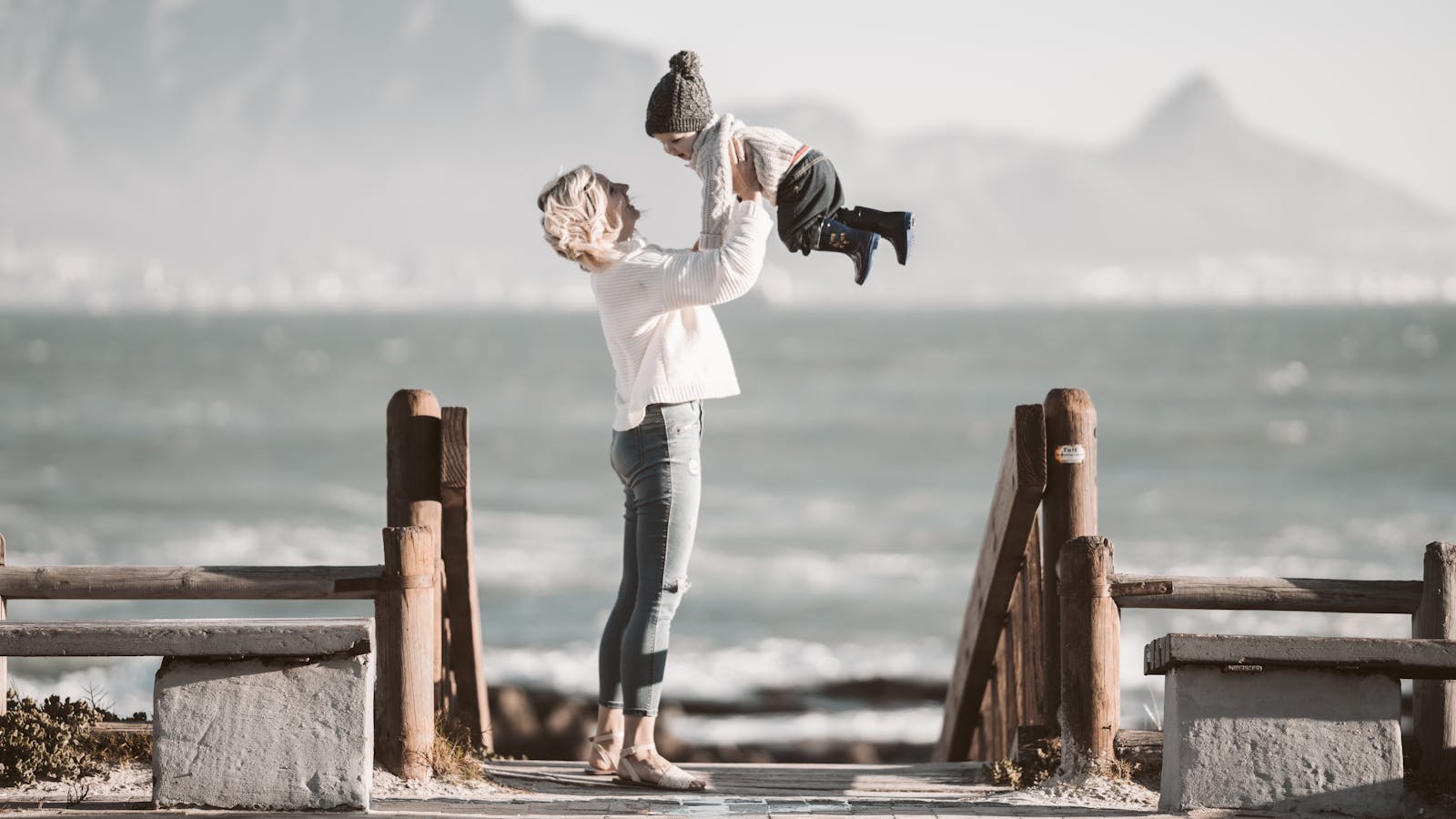
As moms, we have multiple special moments in our lives that we just want to share with the world. Whether it’s a cute picture of our baby crawling or our little girl going to her first prom dance, we want to share it all on social media sites. However, what we often fail to realize is the risk associated with these innocent-looking online activities. Social networking sites pose a threat to our online privacy, which means sharing everything online is probably not such a good idea.
This is a contributed article.
The risks of Sharenting as a parent
Sharenting or sharing private information about one’s children has become a very common in today’s digital age. The boost of serotonin as the likes flood in can make anyone want to keep sharing intimate information about their children’s lives on social media sites as a way to stay connected with the world outside, but it poses a lot of threats to your child’s online safety in the following ways:
- Your digital footprint stays forever on the Internet, meaning cybercriminals can still access that data even if you delete a post later. This can be especially concerning as they may attempt to partake in identity theft or misuse the information.
- Many inappropriate websites may use your children’s photographs, videos or personal information, leading to concerns about online safety.
- As your child grows up, these social media posts can feel like a privacy violation and may cause embarrassment for your child, which can impact their real life.
5 Ways To Navigate Online Privacy Concerns As A Mom
Productively managing your online behaviour is essential as a mom. Here are some ways you can navigate privacy concerns on social networking sites and keep your child’s online privacy intact:
Be Smart While Posting Information
The first step to keeping your kids safe online is by sharing as little information as possible about them. You want to post a cute holiday picture or the cake that they baked? Perfectly acceptable. But sharing information about their school timings, your home address, phone numbers, or where you’re planning to take your next vacation with the kids can be risky online behaviours.
Check Your Privacy Settings
Social networks can save a lot of your personal information without your permission, so it’s essential to review your social media security settings from time to time and delete any credit card information or other financial transaction details to avoid privacy violations. Identity thieves can use the data stored in your social media accounts for sharing inappropriate content, phishing scams and more. When you actively review security settings, you reduce the number of risky behaviours that can be concerning as a mom.
Safeguard Your Digital Footprints With a VPN
A Virtual Private Network secures your IP address from third-party apps that store or steal your personal data through social networks. Apart from protecting your data on social media, they also make your browsing experience private, which can help you avoid accidentally sharing online content about your children with websites that may use it to create inappropriate content. In addition to a VPN, you should find a good malware detection software that will identify and alert you when third-party applications try to corrupt your devices or websites with malicious intent to breach your privacy.
Use An Antivirus Program To Block Out Identity Thieves
Irrespective of which device you’re using, you need a strong antivirus software to block out any malicious and corrupt files that may try to steal your data, get hold of your social media passwords, and misuse your children’s information. A strong antivirus for PC or Android can make the process of safeguarding your children’s data more secure, especially if you’re an avid share-nt.
Adopt Multi-Factor Authentication
Last but not least, using two-factor authentication or multi-factor authentication can protect your social media accounts from external threats and cyber attacks. Sometimes, even with a strong password management system, cybercriminals may be able to log into your accounts. If you have a multi-factor authentication setup, you will be able to secure your accounts and, therefore, your personal information.
So – will you reconsider how much you share about your kids online?
While sharenting might seem like a simple way to share your happy memories with everyone you know, it can have a negative influence on your child’s online privacy. Therefore, maintaining a healthy balance between what’s acceptable and what isn’t is important. Digital literacy plays a crucial role in how we safeguard our children’s online privacy. Therefore, following the tips given above can make


Leave A Comment