
Toys are often seen as simple playthings, but their role in a child’s development, particularly in social growth, is profound. For young children, toys act as a bridge between the solitary world of infancy and the complex social world they are growing into. By encouraging interaction, imagination, and cooperation, toys can lay the foundation for vital social skills. Among these, items like the toddler kitchen helper and the trusty bouncer hold unique value in fostering both independence and collaboration.
This is a contributed article. It explores how toys, from the simplest building blocks to role-playing tools, can nurture your child’s social development.
The Role of Toys in Social Development
Toys offer more than just entertainment. They serve as tools for learning, providing children with opportunities to develop motor skills, cognitive abilities, and emotional intelligence. Social skills, however, are one of the most impactful areas toys influence, particularly during early childhood.
Social play begins when a child moves from solitary play to engaging with others. This often starts with parallel play—where children play alongside one another but not together—and gradually transitions into cooperative play, where shared goals and teamwork emerge. Toys serve as the medium through which these interactions occur, making them crucial in developing skills like sharing, empathy, negotiation, and problem-solving.
Interactive Toys: A Gateway to Cooperative Play
Certain toys inherently encourage interaction. For example, building blocks require cooperation when used in a group setting. A child may decide to build a tower, only to discover that they need a friend’s help to keep it steady. These moments of collaboration teach patience, communication, and teamwork.
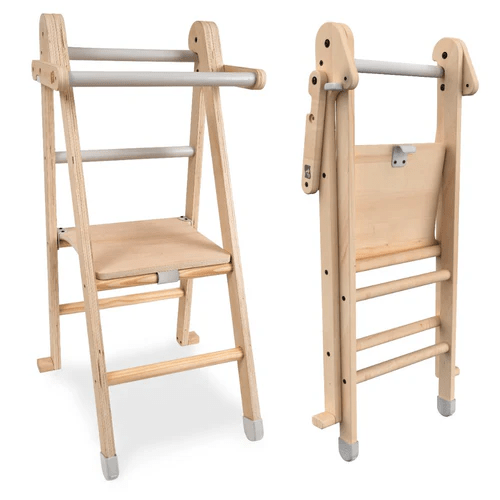
Similarly, the toddler kitchen helper provides opportunities for shared play in both real and pretend scenarios. By involving your child in kitchen activities, the helper tool boosts their confidence and introduces them to the idea of teamwork. When children play “kitchen” with their peers, they engage in role-playing that fosters communication and imagination. Pretending to prepare a meal, setting up a tea party, or serving food to family members teaches them to take turns, express themselves, and navigate social interactions.
Role-Playing and Social Skills
Role-playing toys are instrumental in developing social skills. Costumes, play kitchens, and dolls encourage children to step into different roles, allowing them to experiment with social norms and behaviours. When your child pretends to be a chef using a toddler kitchen helper, they are not just playing—they are learning how to interact with others, problem-solve, and take responsibility. These activities provide a safe space for children to practice adult-like tasks while developing essential communication skills.
Role-play also encourages empathy. When children pretend to care for a baby doll or cook for a “customer,” they put themselves in someone else’s shoes, nurturing their emotional intelligence.
How Simple Toys Build Complex Relationships
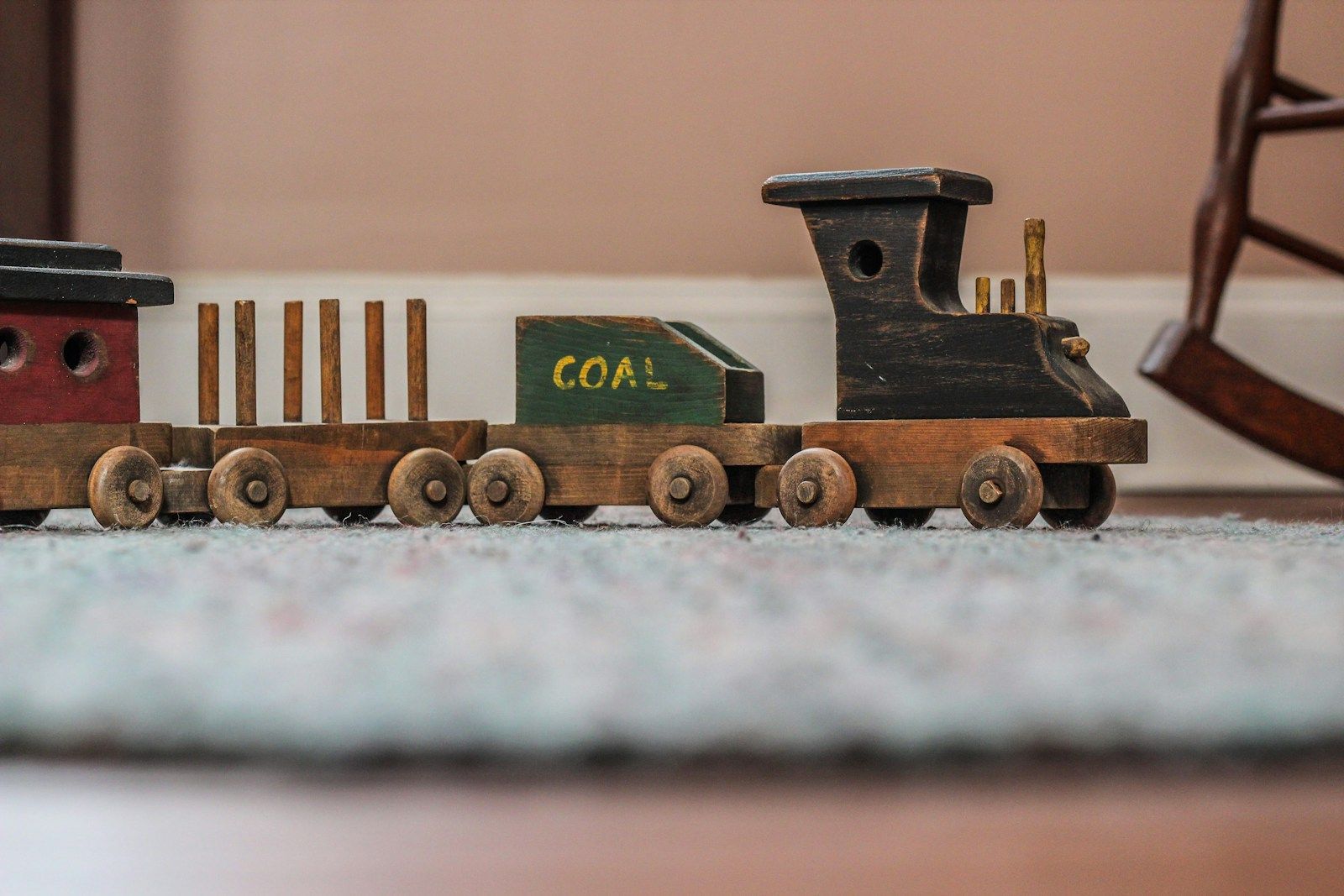
Even basic toys can lay the groundwork for meaningful social growth. Classic items like balls, trains, and cars often lead to shared play, whether through friendly competition or cooperative storytelling. For example, toddlers playing with a train set might take turns controlling the engine, learning the importance of patience and fairness.
Building blocks are another excellent example. While they may seem solitary, they often prompt cooperation as children build together. Blocks require communication to create shared structures, teaching children how to express their ideas clearly and listen to others.
The Unique Role of the Bouncer in Social Development
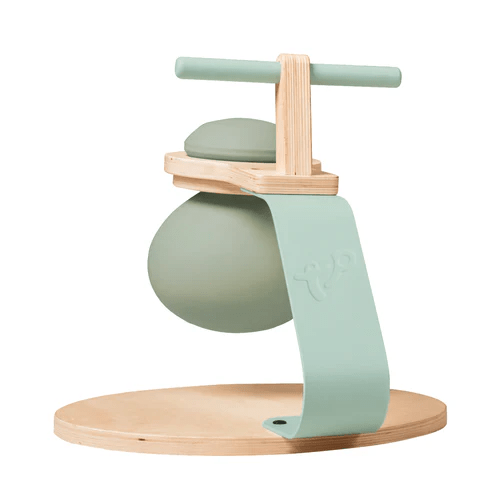
At first glance, a bouncer may seem like a toy solely for individual use. However, it plays an underrated role in socialisation. A bouncer provides a safe space for infants to observe their surroundings and begin interacting with the world. This observational play is critical for early social development, as babies mimic the actions and expressions they see.
When placed in a bouncer, an infant can engage with parents or siblings through eye contact, babbling, or laughter, laying the foundation for social interactions. For families with more than one child, the bouncer can act as a focal point for older siblings to engage with the baby, fostering bonding and teaching the older child nurturing behaviours.
How Toys Encourage Sharing and Turn-Taking
Sharing is one of the first social skills children need to learn, and toys are often the vehicle through which this skill is introduced. Whether it’s sharing a favourite car, taking turns with a puzzle, or waiting for a turn with the toddler kitchen helper, toys provide real-world scenarios for practising patience and generosity.
Parents can encourage these behaviours by modelling sharing during play. For instance, if your toddler is hesitant to share their toy kitchen accessories, you can demonstrate by taking turns and praising their willingness to cooperate.
Encouraging Social Play at Different Stages
Infancy
At this stage, toys like rattles, mirrors, and the bouncer are vital for introducing infants to the concept of interaction. Babies begin to understand social cues by observing how parents and siblings engage with these toys.
Toddlerhood
Toddlers are naturally curious and ready to explore group play. Toys such as the toddler kitchen helper allow them to mimic adult activities and engage with others in imaginative ways. Building blocks, musical instruments, and toy cars are also great for initiating shared play.
Preschool Age
At this stage, children are ready for more complex social interactions. Board games, cooperative puzzles, and role-playing sets can enhance their ability to work in teams, solve conflicts, and communicate effectively.
Tips for Parents: Maximising the Social Potential of Toys
- Choose Versatile Toys: Select toys that can be used in multiple ways, such as blocks, role-play sets, and the toddler kitchen helper. These encourage creativity and collaboration.
- Encourage Group Play: Arrange playdates or family play sessions where children can learn to interact and share.
- Model Social Behaviour: Show your child how to take turns, express gratitude, and resolve conflicts during play.
- Observe and Guide: Watch how your child interacts with others and step in when necessary to guide them through challenging social situations.
- Create Opportunities: Use everyday items like the bouncer or a toy kitchen to facilitate bonding moments with siblings or peers.
Conclusion
From the kitchen floor to the playroom, toys are more than just fun—they are essential tools for social development. Whether your child is learning to share building blocks, role-playing as a chef with a toddler kitchen helper, or observing the world from their bouncer, these activities lay the groundwork for strong interpersonal skills.
By choosing toys that encourage interaction, modelling good social behaviour, and fostering opportunities for group play, parents can help their children build the social confidence and empathy they’ll need for life. In essence, toys are the stepping stones from solitary exploration to meaningful human connection.


Leave A Comment