
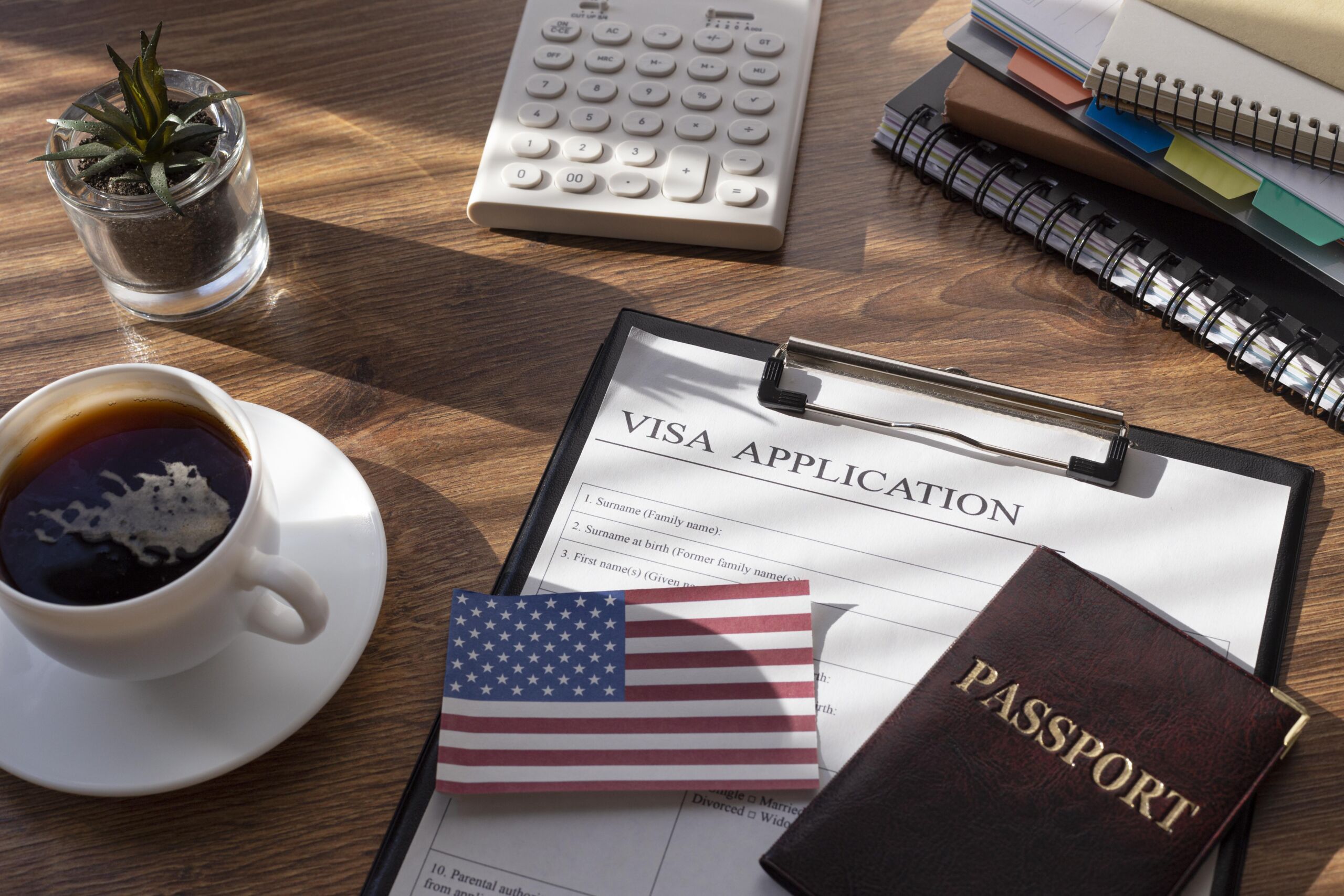
The immigration process can be confusing, stressful, and time-consuming. Every step requires precision, patience, and knowledge of the latest immigration rules. Unfortunately, many families make costly mistakes that delay their applications or result in outright denials. These mistakes often come from simple misunderstandings, misinformation, or trying to navigate the process without proper guidance.
But here’s the good news — every mistake is avoidable. By being aware of the most common pitfalls, you can protect your family’s future and avoid unnecessary stress. This article highlights the top mistakes families make during the immigration process and, more importantly, shows you how to avoid them. If you’re planning to submit an immigration application, this guide will help you steer clear of the most common errors that others have had to learn the hard way.
Stay with us until the end to ensure your journey is smooth, successful, and stress-free.
Submitting Incorrect or Incomplete Documentation
When it comes to immigration, accuracy is everything. Every document you submit needs to be complete, correct, and properly formatted. Unfortunately, many families rush through the paperwork, assuming small errors won’t matter. However, in immigration, small mistakes have big consequences. Even a single missing form or an incorrect date can delay your case by weeks, months, or even years.
This mistake happens when families try to handle their applications alone or rely on outdated resources. Rules for immigration forms can change, and using old guidelines can lead to submission errors. If documents are incomplete, missing signatures, or incorrectly translated, the application will be returned or rejected.
How to Avoid It:
Take your time filling out forms and double-check every detail. If you’re unsure, consult an immigration lawyer. A professional can review your application for mistakes before submission, ensuring everything is complete and compliant. It’s far better to pay for help upfront than to face costly delays later.
Missing Deadlines and Filing Late
Immigration deadlines are strict, and missing them can have serious consequences. Once you miss a deadline, your entire application could be denied. Worse yet, if you’re applying for visa extensions or renewals, missing a deadline could result in deportation. Many families mistakenly believe they have more time than they do or that USCIS (U.S. Citizenship and Immigration Services) will send reminders. But that’s not how it works.
Deadlines are often linked to visa expirations, green card renewals, and asylum applications. If you’re even one day late, you may lose eligibility for certain programs or face years of waiting before you can apply again.
How to Avoid It:
Set up calendar alerts and reminders to stay ahead of deadlines. If you’re unsure of the specific deadlines for your case, consult a lawyer. Firms like Charlotte immigration law firm Butler, Quinn & Hochman, PLLC can track your deadlines, help you file on time, and prevent costly delays. Acting early is always better than acting late.
Not Responding to USCIS Requests for Evidence (RFE) on Time
A Request for Evidence (RFE) is USCIS’s way of asking for more information before approving your application. Many families make the mistake of ignoring or delaying their response, thinking it’s not urgent. However, RFEs come with strict deadlines, and if you fail to respond on time, your case will be denied.
Some families misread RFEs or don’t understand what documents are required, leading to incomplete responses. Others mistakenly believe USCIS will offer extensions — but that’s rarely the case. Ignoring an RFE is like ignoring a ticking clock.
How to Avoid It:
Take RFEs seriously. As soon as you receive one, read it carefully to understand what’s required. If it’s unclear, don’t guess. Consult a lawyer who can prepare a clear, complete response. An immigration attorney will ensure that all the required evidence is submitted on time.
Using Outdated or Incorrect Immigration Forms
Immigration forms are updated frequently, but many families don’t realize this. Submitting an old version of a form can lead to instant rejection. Even worse, some families download unofficial forms from unreliable websites. Not only are these forms outdated, but they may also contain incorrect information.
Every year, USCIS releases new versions of its immigration forms. The problem is that families don’t always know when those changes happen. People rely on past experiences, advice from friends, or forms found online. However, USCIS requires only the most current forms, and they reject older versions.
How to Avoid It:
Download all forms directly from the official USCIS website. Look for the most recent version and check the form’s expiration date. This simple step could save you months of waiting.
Final Words
We hope you now have a clear understanding of the most common mistakes families make during the immigration process. By knowing these pitfalls, you can take the right steps to avoid them and keep your application on track. So, take action today to protect your family’s future.






Leave A Comment