
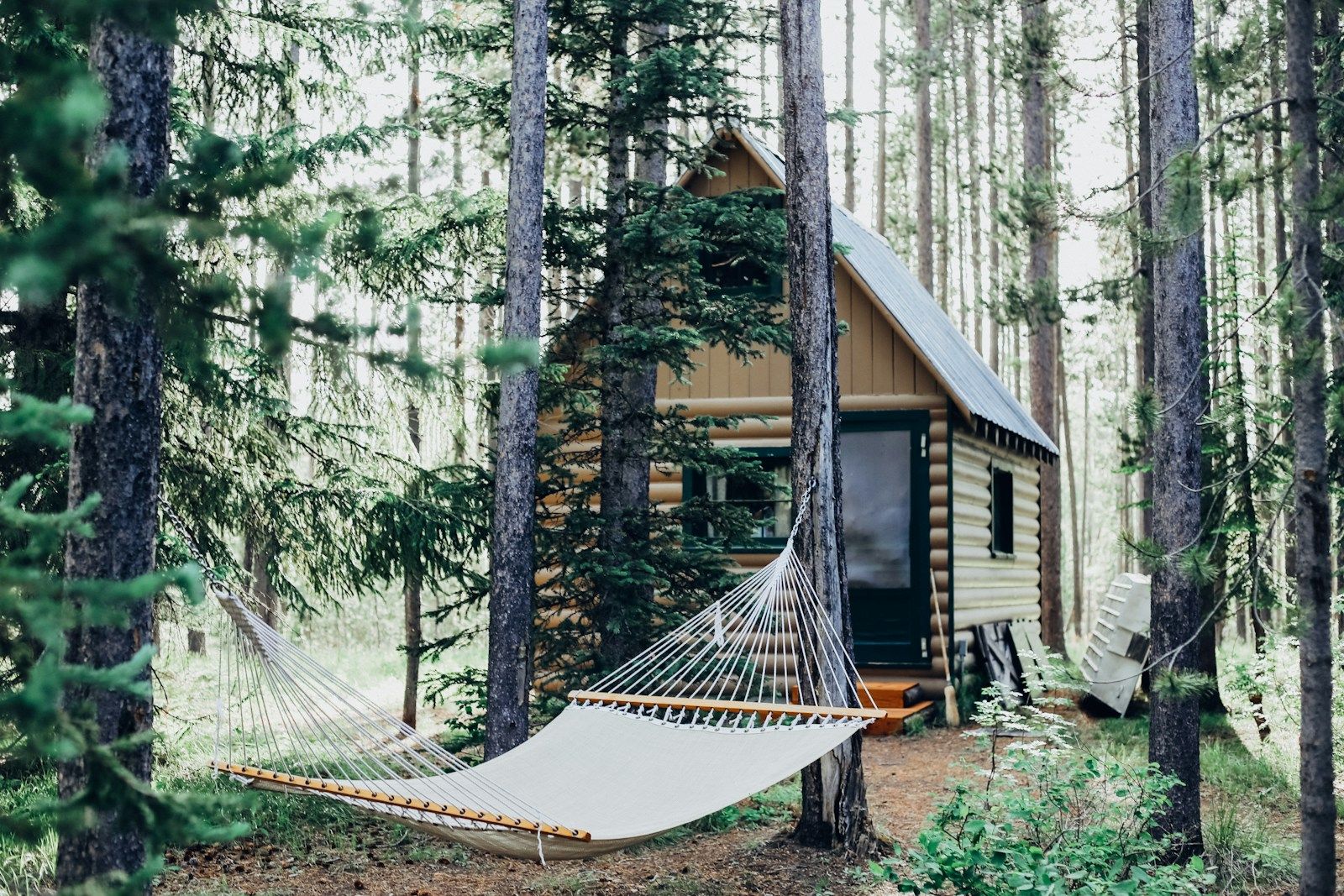
The idea of camping with kids sounds magical—fresh air, s’mores by the fire, and a break from screens. But any parent who has actually attempted it knows that the reality can be far less relaxing. Between setting up a tent, dealing with unpredictable weather, and making late-night trips to a shared bathroom (or worse, the woods), what’s meant to be a fun getaway can quickly turn into a stressful experience. Let’s have a look at booking a cabin vs camping for your next outdoor family holiday.
For families who want the adventure of the outdoors without the exhaustion of traditional camping, staying in a cabin is the perfect alternative. It offers the beauty of nature and the fun of a camping trip, but with actual beds, a roof over your head, and a private bathroom. Here’s why trading the tent for a cozy cabin can make all the difference when traveling with kids.
1. No Setup Required—Just Relax and Enjoy
Traditional camping starts long before you even reach the campsite. Packing up a tent, sleeping bags, air mattresses, and all the extra gear can feel like preparing for an expedition. Then, once you arrive, there’s the task of pitching the tent, setting up a fire, and making sure everything stays dry and secure.
None of that is necessary with a cabin stay. The moment you arrive, the hard work is already done. No struggling with tent poles, no worrying about uneven ground, and no last-minute panicking when you realize you forgot the mallet for the stakes. Instead, you can drop your bags, settle in, and start enjoying your surroundings right away.
2. Weather-Proof Comfort for the Whole Family
Camping sounds great when the forecast is perfect, but weather doesn’t always cooperate. A sudden rainstorm can soak your tent, leaving everyone cold and miserable. Hot summer nights can turn it into a stuffy, uncomfortable sweatbox, while chilly fall evenings make it hard to get a good night’s sleep.
A cabin eliminates those worries. With solid walls and a roof over your head, you don’t have to stress about the rain leaking in or strong winds shaking your tent. Temperature control—whether through fans, heaters, or air conditioning—makes a huge difference, ensuring that everyone, especially the kids, sleeps well. A well-rested family means fewer meltdowns and a much more enjoyable trip.
3. Private Bathrooms—Because Some Things Shouldn’t Be an Adventure
Public campground bathrooms can be challenging, especially for young kids. The thought of trekking across a dark campsite at midnight for a bathroom trip isn’t appealing, and not all kids are comfortable using shared facilities. In some cases, there may not even be proper bathrooms—just a pit toilet or a “go behind that tree” situation.
With a cabin stay, you have the convenience of a private bathroom—no waiting in line, no worrying about cleanliness, and no scrambling for a flashlight in the middle of the night. It’s a small detail that makes a huge difference when traveling with children, giving parents peace of mind and making the whole experience far more enjoyable.
4. Space to Spread Out (Without Sacrificing Family Time)
Camping in a tent means everyone is crammed together in a small space, which can be fun at first—but not so much when someone starts tossing and turning or when a little one wakes up at the crack of dawn. There’s also nowhere to escape to if the kids need a break from the excitement or if parents just want a few minutes of quiet.
A cabin gives families a bit more breathing room while still keeping the cozy, togetherness of a camping trip. With separate sleeping areas, kids can go to bed early without parents having to turn in at the same time. There’s also room to relax indoors if the weather takes a turn, so no one is stuck huddled inside a cramped tent waiting for the rain to pass.
5. Easier Meal Prep—No Campfire Cooking Struggles
Cooking over a campfire might sound fun, but when you’re managing hungry, tired kids, it can quickly become a hassle. It takes a lot of effort to keep a fire going, wait for food to cook evenly, and make sure everything stays safe around open flames. If the weather turns bad, mealtimes become even more stressful, leaving parents scrambling for backup options.
A cabin stay makes meals so much easier. Many cabins have a kitchen or at least a small cooking area, allowing parents to prepare food quickly and without the limitations of a campfire. Instead of relying on non-perishable snacks and endless PB&J sandwiches, families can enjoy simple, home-style meals without all the extra work. Having a fridge also means fewer coolers, less ice, and no worrying about food spoiling.
For those who still want to enjoy the fun of campfire cooking without relying on it for every meal, planning a few easy outdoor-friendly meals can help strike the perfect balance. Here’s a great list of kid-friendly camping meals that work just as well at a cabin as they do over a fire.
6. Nature Without the Hassle
One of the biggest reasons families go camping is to spend more time outside—letting kids explore, play, and enjoy the fresh air. However, traditional camping comes with challenges that can make it exhausting for parents. Constantly keeping an eye on little ones near a fire, dealing with muddy shoes in the tent, and managing all the gear can take away from the fun.
A cabin stay offers the perfect balance. Families can still experience the best parts of camping—hiking, fishing, roasting marshmallows—without the extra stress. Kids can run and explore all day, and when they’re worn out, they can wind down comfortably indoors instead of crashing into a sleeping bag on the ground.
For an even easier getaway, park model cabins provide a ready-to-go space designed for comfort while keeping families close to nature. These fully equipped cabins make it simple to enjoy the outdoors without giving up the conveniences that make family trips more manageable.
7. More Time for Fun, Less Time on Logistics
Traditional camping involves a long to-do list: packing gear, setting up camp, breaking everything down, and making sure nothing gets left behind. Parents often spend more time managing the logistics than actually enjoying the trip. By the time everything is packed up and loaded back into the car, it hardly feels like a break.
A cabin stay removes most of the work, letting families focus on what really matters—spending quality time together. No struggling with tent poles, no figuring out where to store damp sleeping bags, and no worrying about whether the cooler will keep everything cold. Instead of spending hours setting up and breaking down camp, families can simply arrive, unpack, and start making memories.
Choosing the right accommodations is just one way to make travel easier. Simple changes—such as planning family vacations more efficiently—can make trips far more enjoyable and less overwhelming.
Conclusion
When we look at booking a cabin vs camping, I think it’s clear that camping with kids can be an unforgettable experience, but it’s not always the easiest. Between unpredictable weather, uncomfortable sleeping conditions, and all the extra work that goes into setting up and packing away a campsite, parents can end up feeling drained rather than refreshed.
A cabin stay offers the perfect balance—all the fun of nature, outdoor adventures, and family bonding, without the hassle. Instead of wrestling with tent poles or worrying about late-night bathroom trips, families can enjoy a cozy space with real beds, a kitchen, and a roof over their heads. It’s an easy way to create lasting memories while actually getting to enjoy the trip.


Leave A Comment