
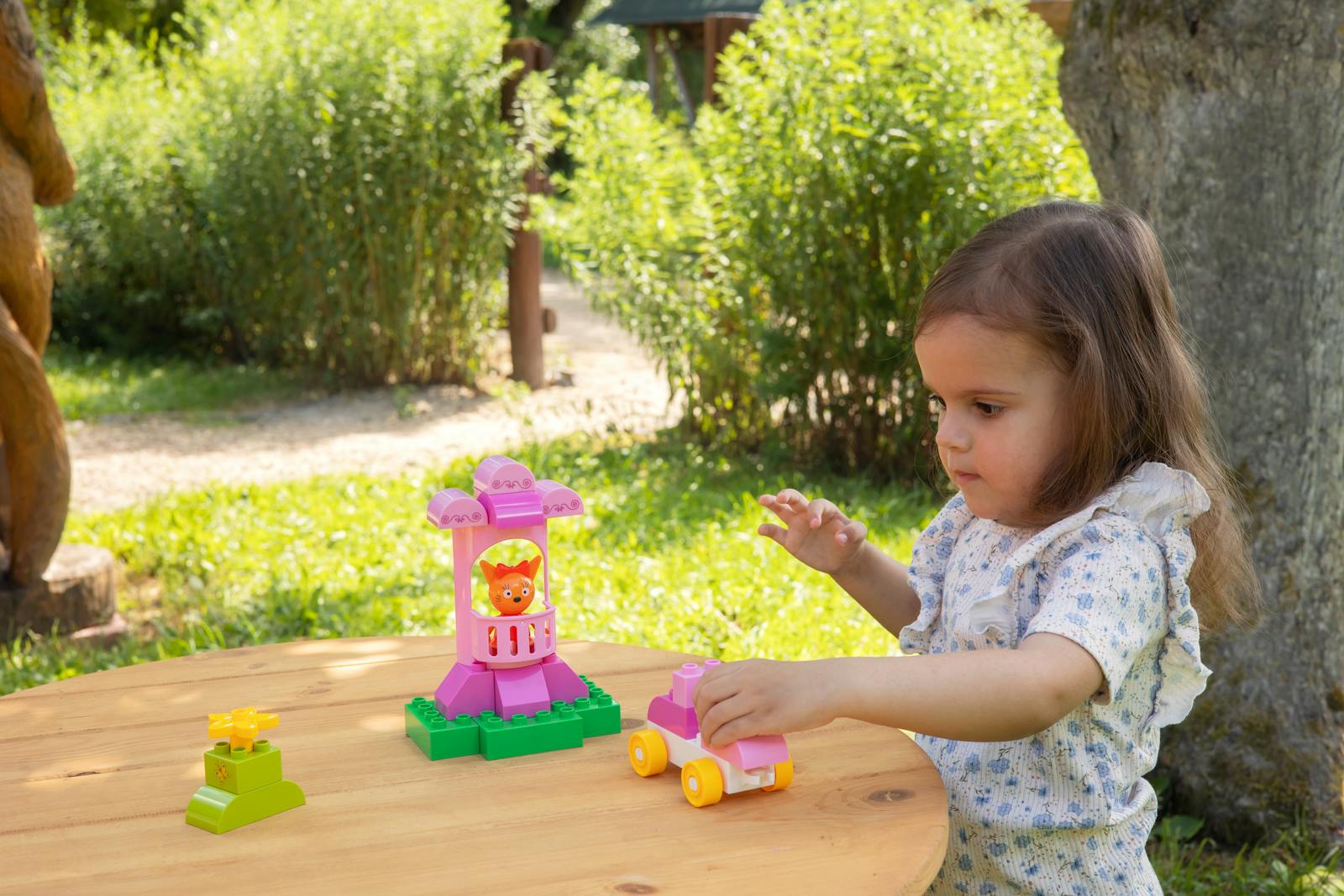
A home’s yard is one of the first play areas your child will have access to. It’s a ton of fun to get fresh air while playing and running around outside in a safe environment. Some of the fondest memories are created in the backyard, but the fun times can quickly turn sour if your outdoor space isn’t secure. Toxic plants, harmful fertilizers, and sharp deck corners are some of the many dangers kids can encounter in an unprotected yard. As a parent, you’ll want to make sure you’ve created the safest environment for kids to enjoy. Learning the most common methods for childproofing your yard is the best way to start identifying potential safety hazards in your space.
Build or Secure some Deck Space
If you don’t have a designated deck space, you may want to consider one. A deck provides an enclosed patio where you can easily supervise your kids and keep them out of harm’s way. You don’t always have to confine them to the deck, but it gives you options when you’re entertaining or busy with other tasks. You’ll want to make sure the deck doesn’t have any large gaps where a child can slip through and get stuck or fall, especially if your deck is high off the ground. I found a deck builder near me who was able to customize according to child safety concerns—that might be the best option for you.
If you already have a deck, you should install deck guards to prevent falls. Sharp corners should also be covered to avoid injury. Shade and cool decking material can help minimize burns during warmer days. Slip guards and lighting can help kids see where they’re going and be more careful on stairs or wet surfaces.
Use Natural Pest Control
It’s smart to want to keep harmful pests like stinging or biting insects away from your children, but certain chemicals used to kill pests can also be dangerous to humans. Before reaching for the poisons, consider natural alternatives that don’t cause harm to humans. Pesticides like diatomaceous earth are only harmful to bugs. Kitchen ingredients like cayenne pepper or citrus oil can deter bugs like ants. Research the kind of critter you’re looking to keep away, and you’ll likely find some non-toxic, safe alternatives for you and your family.
Be Mindful of Plant Life
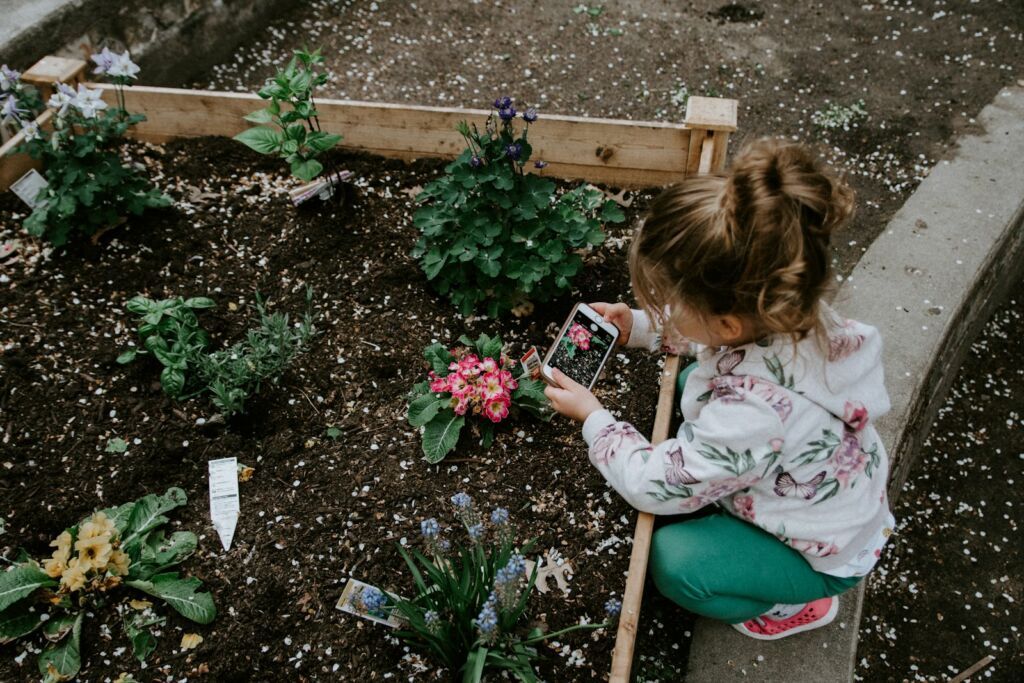
Beautiful landscaping or gardens look wonderful in any yard, and providing your outdoor space with various flora can be enriching and exciting for your kids. You’ll want to be careful about what you plant, however. Some kids like to touch or even taste plants as a way to play or explore the world. Not all plants are safe for this, and some can even be fatal. Toxic plants can include oleanders, castor oil plants, water hemlock, foxgloves, and more. Research each plant you choose to determine their toxicity to humans.
Keep Chemicals Out of Reach
If you do have chemicals for any reason—pesticides, pool maintenance, or cleaning—you’ll want to check their ingredients for safety. If you can’t avoid using them, make sure you keep them out of your children’s reach. Lock them up in a shed or store them in areas they can’t access. Avoid using these chemicals directly near your child; fumes or spills can cause major injuries to the skin, eyes, and lungs. Children are naturally curious, so be certain they can’t get into any substances that can cause injury.
Provide Shade and Sun Protection
Outdoor spaces offer many physical and mental health benefits. The sun itself can provide necessary nutrients like Vitamin D. You don’t want you or your kids to have continuous sun exposure without protection. The sun’s ultraviolet rays can cause sunburn, which can increase the risk of skin cancer. If you plan on being exposed to direct sunlight for long periods, put on sunscreen and make sure there are shaded areas in your outdoor space to retreat to, such as an umbrella, large tree, or pergola. The sun’s heat can be very intense in warmer months, too, so make sure your kids have a way to cool down when enjoying the space.
Trim Trees
Trees are beautiful additions to a home, but make sure they’re maintained well. Loose or long branches can cause injury easily if they fall or impede your child’s path. Keep loose branches trimmed and clipped to ensure the tree is at peak health and won’t cause property damage. As a bonus, trimmed trees look more pristine—and are less likely to fall onto your roof.
Add Fencing
It’s easy for kids to get distracted and run into dangerous areas, including the street. They may also leave your line of sight, which can lead to disaster. Fencing around your property helps keep your children corralled so they can play without wandering into other properties, streets, or areas where you can’t see them. Fencing also adds security to your outdoor space; no one can see or access your children without your knowledge. Fencing can take time to install, but it can add home value and peace of mind.
Conclusion
The most effective way to keep your kids safe and happy outdoors is to provide adequate supervision. You can childproof your yard to the best of your ability, but your watchful eye is the best way to prevent injuries. Your yard is a world full of adventures for young kids, but safety is the priority when it comes to outdoor play. Your kids can’t enjoy the yard to its full potential with unsafe elements like harmful pesticides, sharp deck corners, or toxic plants. When you childproof your yard, you can enjoy stress-free quality time outside with your family.



Leave A Comment