
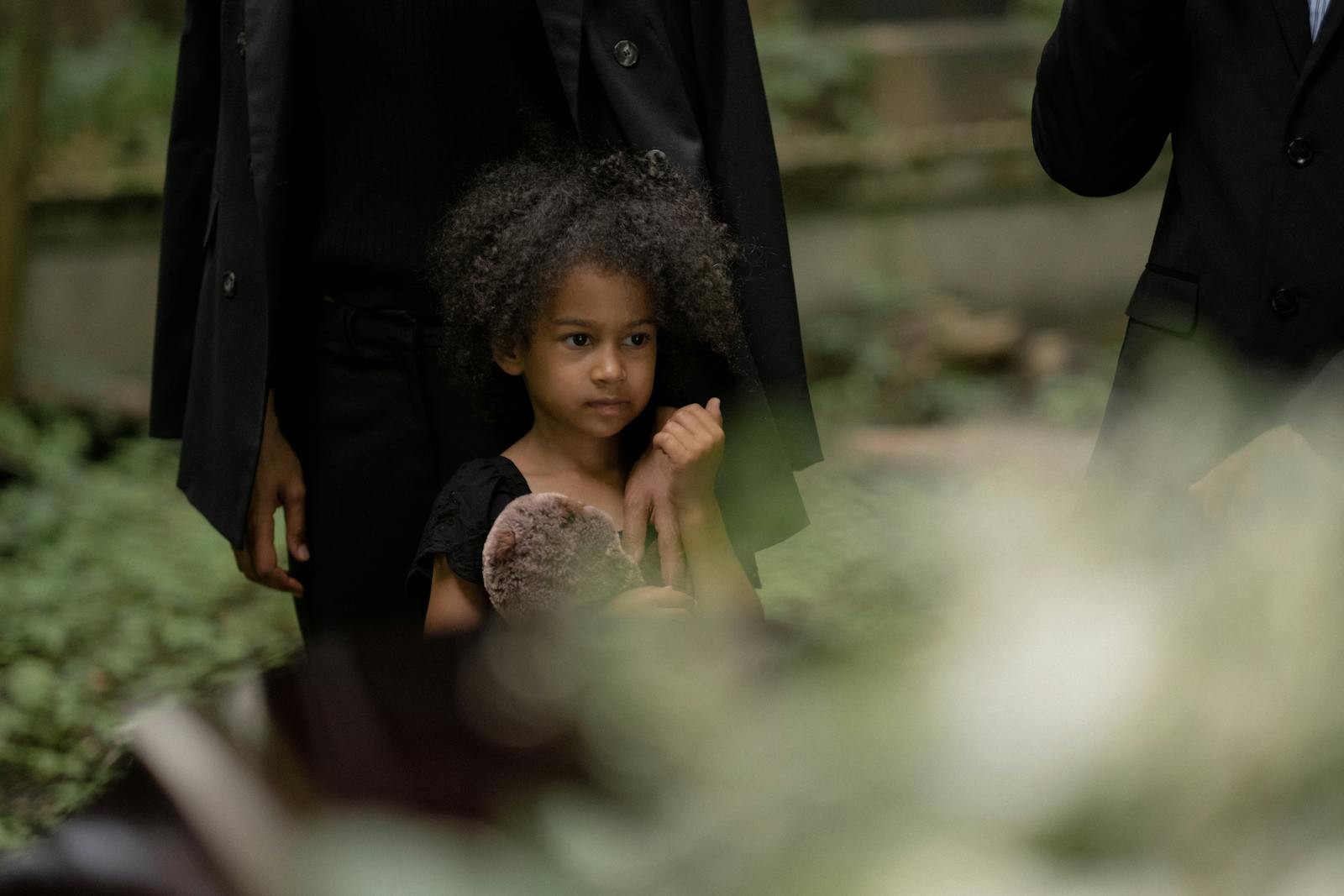
Planning a funeral is one of the hardest things a parent can face. When children are involved, the process becomes even more delicate. They notice more than we think and feel the loss in their own way.
Some parents try to protect their kids by keeping them away from the ceremony. But that can leave them feeling left out and confused. Giving them space to take part helps them understand what’s happening and feel more secure.
This guide offers gentle ideas to help you create a child-friendly funeral that feels meaningful. It walks you through small ways to prepare your child and invite them into the ceremony. It shows how those small steps can give comfort, connection, and even healing. If you’re not sure how to start, this might be the support you need right now.
This is a contributed article.
Table of Contents
Why It’s Important to Involve Children in Funerals
Some parents feel the need to protect their children by keeping them away from funerals. It might feel kinder in the moment, but it can leave children confused about what happened. When kids are left out, they often fill in the blanks with fear or misunderstanding.
Involving children helps them feel included during a time when everything else feels uncertain. It gives them a sense of control and connection. And it shows them that grief is something we share, not something we hide.
When a child is allowed to attend or take part in a small way, they begin to understand that death is real, but love doesn’t disappear. It creates space for healthy mourning instead of hidden worry. That small act of inclusion can stay with them for a long time and shape how they process loss in the future.
Preparing Children for the Funeral
Talking to children about death can feel overwhelming. But being honest in a calm and age-appropriate way helps them feel safe. Young children may not understand what death means, while older kids might have more direct questions. Either way, keep your words simple and clear. You don’t need to explain everything at once. Let the conversation happen in small steps.
When they ask hard questions, answer gently but truthfully. If they ask where the person went, it’s okay to say that different people believe different things. You can also say that their body stopped working, and they won’t feel pain anymore. What matters most is your presence and patience as they process what you’re saying.
As you begin to arrange the funeral, let your child know what the day might look like. Tell them who will be there, what might be said, and that people may cry. This helps ease their worry and reduces the fear of the unknown. Kids handle difficult moments better when they’re not surprised by them.
Preparing them in this way doesn’t remove the sadness, but it gives them something even more important: a sense of trust, clarity, and emotional safety.
Ideas to Make the Funeral More Child-Friendly
A funeral doesn’t have to feel too serious or overwhelming for children. Small touches can help them stay calm and feel like they belong without changing the meaning of the day. One helpful idea is to create a quiet activity area where kids can draw, colour, or write notes to the person who passed. These notes can be placed in a memory jar or saved privately by the family.
Another thoughtful option is a child-friendly tribute table. Let children help set up photos, stuffed animals, or items that remind them of the person. Some families also create a memory wall where both kids and adults can add drawings, messages, or simple memories.
You could also include a short video or slideshow with joyful photos and light music. Seeing happy moments helps remind everyone, especially children, that funerals are not just about saying goodbye. They’re also about remembering how much someone was loved.
These small additions don’t take much time or effort, but they make a big impact. They bring comfort and give children a gentle way to stay present, reflect, and feel connected without being overwhelmed by the emotions around them.
Involving Children in the Ceremony
Children don’t need to stay on the sidelines during a funeral. Giving them a small role helps them feel seen and included. It also shows them that their grief matters too. Their part doesn’t have to be big; what matters is the meaning behind it.
Some children may want to read a short poem or a letter they wrote. Others might prefer to stand with a parent while something is being read. For those who don’t want to speak, placing flowers, lighting a candle, or handing out programs can be just as meaningful. The key is to offer options and let them choose what feels right.
If your child loves art, they could draw something to place by the casket or memory table. If they enjoy music, they might pick a song to play. These actions may seem small, but they can be powerful for a grieving child.
When children take part in the ceremony, they begin to understand that saying goodbye is not about forgetting. It’s about remembering with love. Their role becomes a moment of healing, both for them and for the people around them.
Post-Funeral Support for Kids
The funeral might be over, but a child’s grief doesn’t end there. Many kids start to ask more questions after the ceremony. They may seem fine one moment and suddenly quiet or upset the next. This is normal. Grief comes in waves, especially for children who are still trying to understand what loss means.
It helps to keep routines steady. Normal daily life gives them a sense of safety. At the same time, make space for small check-ins. Ask how they’re feeling or if they’ve been thinking about the person. Let them know there’s no right or wrong way to feel. Some days might bring tears. Others might bring laughter. Both are okay.
Simple activities like drawing, storytelling, or looking through photos can also help. These moments open the door for kids to share their thoughts without pressure. If a child is struggling, talking to a counselor who works with children can bring support in ways that feel gentle and safe.
More than anything, kids need time, honesty, and your presence. Just knowing they’re not alone makes the road through grief feel less confusing and less scary.
Final Words
There’s no perfect way to guide a child through loss. But when you include them, prepare them, and give them a role, you show that their feelings matter. That alone brings more comfort than you might expect.
Funerals can feel heavy, but they’re also moments of love, memory, and connection. When children are part of that experience, it helps them process grief in a way that feels honest and safe. And it gives them tools they’ll carry for life.
Your child doesn’t need a perfect script. They need your steady presence, open conversations, and gentle support. These small efforts make a lasting difference. They turn something painful into something meaningful. And that’s often where healing begins.






Leave A Comment