
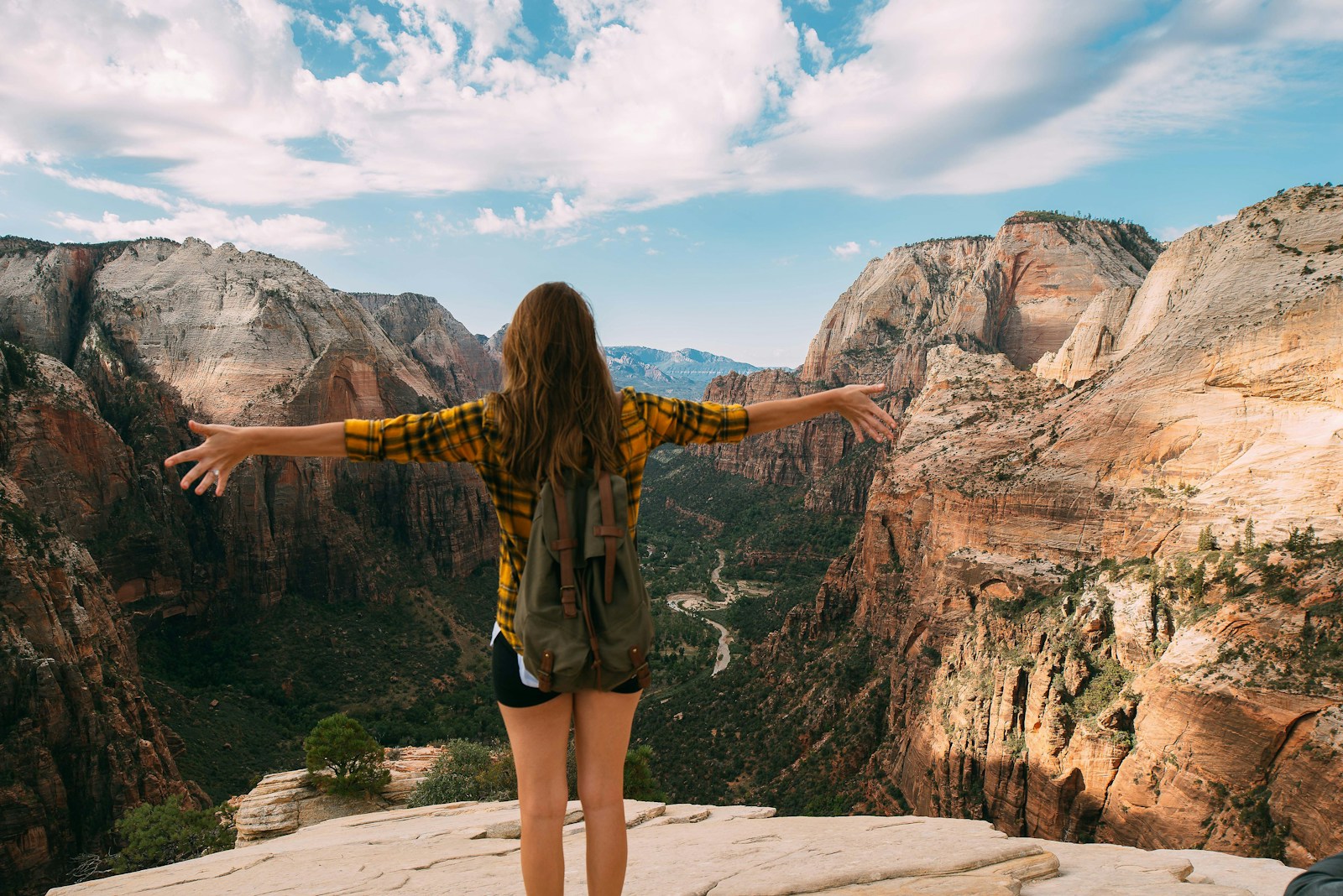
Your days move in a blur. Tiny shoes to tie. Snacks to pack. Laundry baskets that are never empty. A dozen questions before breakfast. You go from task to task, rarely pausing long enough to breathe.
That’s the beauty of hiking alone. No schedule. No small talk. No distractions. Just you, your breath, your body, and the trail beneath your feet.
Solo hiking isn’t about getting away from everything. It’s about moving through the quiet with purpose. It’s that rare moment when your thoughts come back to you, not as background noise, but as something clear.
This isn’t about ticking boxes or taking selfies at the summit. It’s about walking without rushing, thinking without noise, and remembering what it feels like to be in your own space, fully and freely.
Are Solo Hikes Safe?
That question shows up before the boots go on. It’s honest. And it’s valid. You want to feel strong, but you also want to feel safe.
Solo hikes don’t need to be risky. The key is to stay prepared. Know where you’re going. Let someone know your plan. Keep your phone charged and your essentials packed.
Supportive gear makes a big difference, too. For example, a pair of strong, lightweight hiking poles adds real confidence. Reputable brands make trekking poles that help you stay steady, especially when the trail gets rocky or steep. With each step, you feel more grounded, more balanced, more in control.
Other essentials matter just as much. A good headlamp, a small med kit, and even a compact belay device if you’re on mixed terrain—these little things give you peace of mind. You don’t need to carry everything. Just enough to feel secure and keep moving without second thoughts.
Why Moms Are Choosing Solo Hikes
Once the safety part feels handled, something else starts to open up. You realise how rare it is to have time alone, especially outdoors. That’s where solo hiking becomes more than just a walk—it becomes a quiet shift in how you carry yourself.
1. Clear your head
The silence hits differently when you’re not surrounded by to-do lists and background noise. No one is asking you where their shoes are. No one is calling your name from the other room. It’s just the sound of your steps, the wind brushing past your shoulders, and the rhythm of your breath. You don’t have to respond, fix, or plan anything. In that stillness, your thoughts stop racing. They slow down, soften, and make space for peace.
2. Move without a deadline
There’s no school bell to beat. No lunch to pack. No calls waiting. You don’t have to rush. You walk because you want to. You pause when something catches your eye. You can sit if you feel like resting. Time stretches out gently, and suddenly, movement feels natural again—not something squeezed in between tasks.
3. Reconnect with your body
There’s no pressure to perform. No app tracking your calories or telling you to push harder. You walk the way your body wants to move. You notice your stride. You feel strength in your legs. It’s quiet progress—and it feels good.
4. Feel brave again
You chose this trail. You trusted yourself. And each step reminds you—you still know how to walk forward, just as you are.
Even one hike like this can shift something. It stays with you long after the dirt’s been washed off your boots.
How to Choose the Right Trail
Now that you know why this matters, the next step is finding a trail that feels right. Your first solo hike shouldn’t feel like a test. It should feel like a breath of fresh air.
Start somewhere familiar. Choose a place you’ve visited before or one that comes recommended. Well-maintained paths, visible markers, and gentle inclines help you feel steady from the start.
Stick to loops or out-and-back routes. These make navigation easier and help you stay oriented without too much thinking. The simpler the map, the better the experience.
If you feel strong and steady, try a trail with a bit of elevation. Just make sure your body and your gear are both ready. Trekking poles really help here. They protect your knees, steady your balance, and take pressure off your joints, especially on the downhill sections.
Skip dense or overgrown areas at first. Wide, open trails help you feel free, not anxious. Being able to see ahead helps your mind relax. You’re not watching for shadows—you’re enjoying the view.
Remember …
You don’t need permission to move on your own. You don’t need a reason to want space.
Your schedule will always be full. People will always need you. But solo hiking gives you something small and powerful—it gives you back to yourself.
Bring what you need. Walk without rushing. Use the gear that supports you. And most of all, trust that every step is yours to take.
Peace doesn’t just show up. You make it—step after step, one trail at a time.





Leave A Comment