
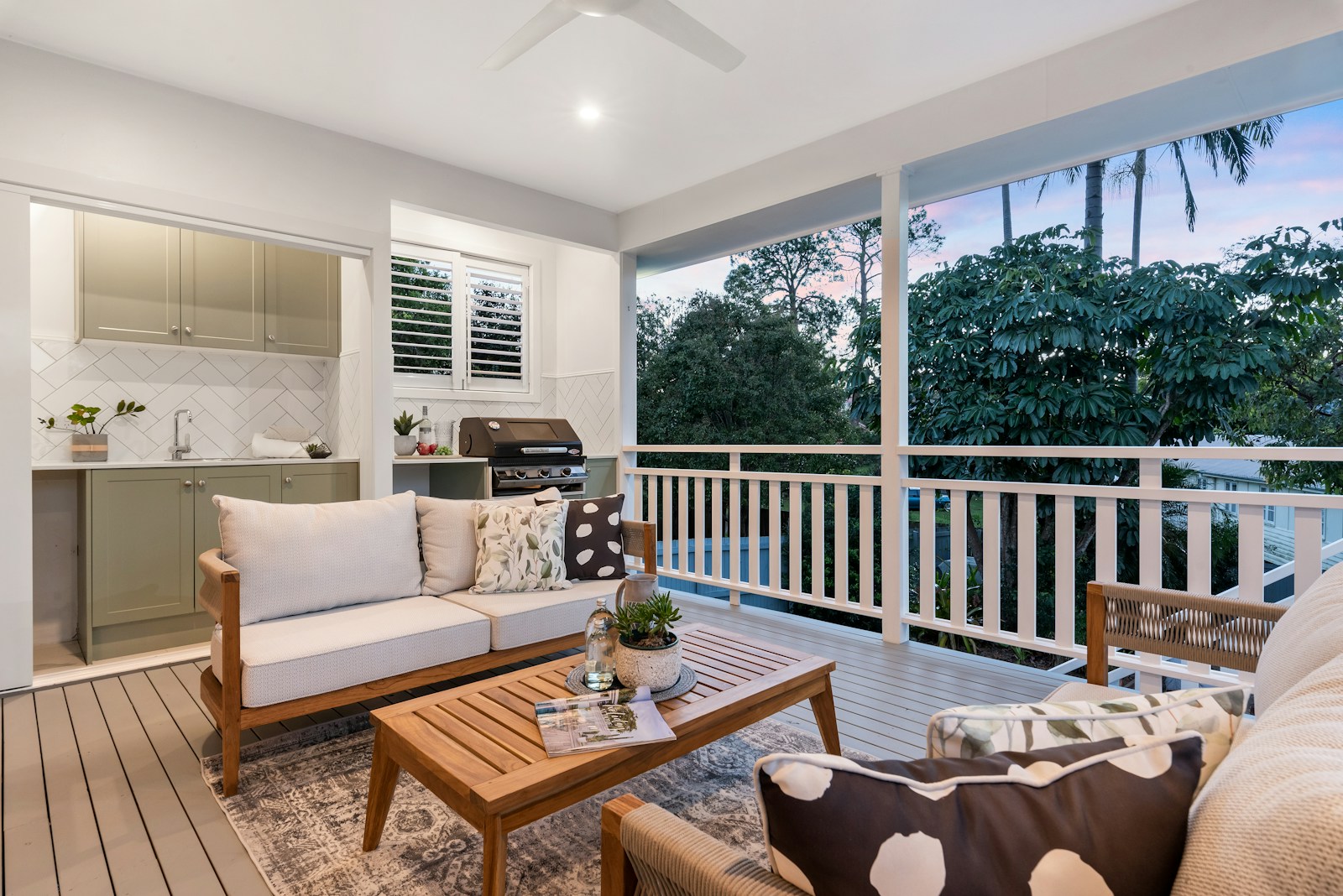
Creating a seamless connection between indoor and outdoor spaces has become a hallmark of modern living. People increasingly desire a home environment that brings the tranquillity of the outdoors inside while providing comfort, functionality, and aesthetic appeal throughout the year.
This approach not only enhances the quality of life but also maximises the usability of every corner of a property. The blending of indoor and outdoor areas transforms everyday living, making spaces feel larger, brighter, and more inviting regardless of the season.
The philosophy behind merging these spaces lies in breaking the barriers that traditionally separate them. Large windows, sliding doors, and open layouts create visual continuity, while thoughtful décor choices establish harmony between both areas.
In places like Bellevue, Washington, where seasonal changes can dramatically shift the ambience of a home, this approach becomes even more valuable. Functionality remains the primary consideration, as the design must accommodate varying weather conditions while ensuring that both spaces remain comfortable and visually connected.
Revamping Interior Spaces for Seamless Transition
The interior plays a crucial role in achieving a smooth indoor-outdoor flow. Subtle remodeling choices can create a natural extension from the living room to the patio or garden. Materials, textures, and colours should mirror or complement what exists outdoors, forming a unified look. Light-toned wooden floors, stone accents, and neutral color palettes often work best to replicate outdoor aesthetics indoors.
A practical way to achieve this transformation is to hire a local Bellevue interior remodeling company. Professional expertise ensures that furniture placement, flooring, and lighting align with the outdoor environment, resulting in a unified and balanced ambience. The goal is to enhance continuity, not just in appearance but also in functionality. Proper planning ensures that indoor furniture transitions smoothly into outdoor settings, making the shift between the two areas feel natural rather than abrupt.
This revamp also involves rethinking the layout. Open-plan living areas that extend toward patios or decks help erase boundaries. Using consistent flooring materials or similar shades for curtains and outdoor awnings establishes visual symmetry. Strategic lighting inside the home can replicate the warmth of outdoor lanterns or fire features, further blending the two spaces.
Choosing Durable and Weather-Resistant Materials
One of the key aspects of merging indoor and outdoor spaces effectively is the selection of durable, weather-resistant materials. Indoor areas that flow into outdoor zones are often exposed to sunlight, humidity, or varying temperatures. Flooring, in particular, must withstand wear while maintaining visual appeal. Stone, porcelain tiles, and treated wood offer longevity and are versatile enough to be used indoors and outdoors.
Furniture also requires attention. Upholstered pieces with fade-resistant fabrics ensure that sun exposure does not diminish their quality. Similarly, outdoor rugs made from synthetic fibers can be placed indoors to maintain design consistency without worrying about moisture or dirt damage. These materials also make cleaning and maintenance easier, which is essential for a space that blends indoor comfort with outdoor exposure.
Embracing Nature Through Design Elements
Natural elements are central to creating harmony between indoor and outdoor living. Incorporating greenery inside the home, such as potted plants or vertical gardens, provides a fresh and organic feel that mirrors outdoor landscapes. Indoor plants like ferns, palms, or succulents thrive in bright spaces and visually connect the home interior with the greenery outside.
Water features, even small indoor fountains, can add a calming sound element that resonates with outdoor settings. Wooden or stone decorative pieces, natural fibre rugs, and woven baskets enhance this connection further.
Flexible Furniture for All Seasons
Year-round enjoyment requires furniture that adapts to different weather conditions. Modular seating arrangements, lightweight chairs, and foldable tables allow easy rearrangement to suit seasonal needs. During warmer months, seating can be shifted closer to sliding doors or open patios, whereas in colder months, furniture can be repositioned indoors without compromising space efficiency.
Cushions with removable, washable covers provide practical solutions for homes where indoor and outdoor use overlap. Selecting neutral or earthy colors for cushions and throws ensures that they blend well with both settings.
Climate Control and Comfort Enhancements
True year-round enjoyment depends on maintaining a comfortable indoor-outdoor environment regardless of weather changes. Climate control features such as retractable screens, insulated windows, and adjustable shades help regulate temperature. In summer, open sliding doors combined with ceiling fans or cross-ventilation keep interiors cool, while insulated panels and layered curtains help retain warmth in winter.
For outdoor spaces, heaters, fire pits, or portable fireplaces can extend their usability during colder months. Retractable awnings, pergolas, or covered patios shield outdoor areas from direct sunlight or rain, making them comfortable throughout the year.
Lighting for Ambience and Functionality
Lighting plays a pivotal role in unifying indoor and outdoor spaces. Soft, warm lighting indoors should reflect the tone of outdoor illumination. Recessed lights, pendant lamps, or wall sconces inside the house should complement outdoor lanterns or string lights for a consistent visual experience.
Layered lighting also adds functionality. Task lighting in cooking or dining areas ensures practicality, while ambient lighting enhances relaxation zones. Dimmable lights allow smooth transitions between day and night, creating a cozy atmosphere that mirrors the natural flow of outdoor sunlight.
Creating Entertainment-Friendly Spaces
A well-planned indoor-outdoor merge can transform the home into a year-round entertainment hub. Open kitchens with bar-style counters facing patios or decks encourage social interaction between indoor and outdoor guests. Similarly, media setups with weather-resistant screens or speakers allow for outdoor movie nights or indoor-outdoor audio experiences.
Dedicated zones for dining, lounging, or even light workouts can be created without distinct separations.
Seasonal Décor Adaptations
Changing décor with the seasons keeps indoor-outdoor spaces fresh and exciting. Light linens, floral cushions, and bright rugs add a summer feel, while heavier throws, warm-toned rugs, and cozy cushions enhance winter comfort. Incorporating seasonal plants—blooming flowers in spring or evergreens in winter—maintains the natural connection year-round.
Seasonal décor swaps should remain subtle to maintain design consistency. The key is to use accessories that can be easily changed without disrupting the overall aesthetic. This adaptability ensures the home feels new and welcoming with every season.
Blending indoor and outdoor living is more than just a design trend; it represents a lifestyle that embraces nature, functionality, and comfort in equal measure. With thoughtful planning, the right materials, and strategic enhancements, every space can transform into a year-round haven for relaxation, entertainment, and everyday living. By creating harmony between the two environments, homes feel larger, brighter, and infinitely more enjoyable, regardless of the season.


I absolutely love how you’ve integrated your indoor and outdoor spaces—it creates a seamless, expansive flow without feeling forced. The blend of cozy indoor comforts with garden elements really enhances everyday living.