
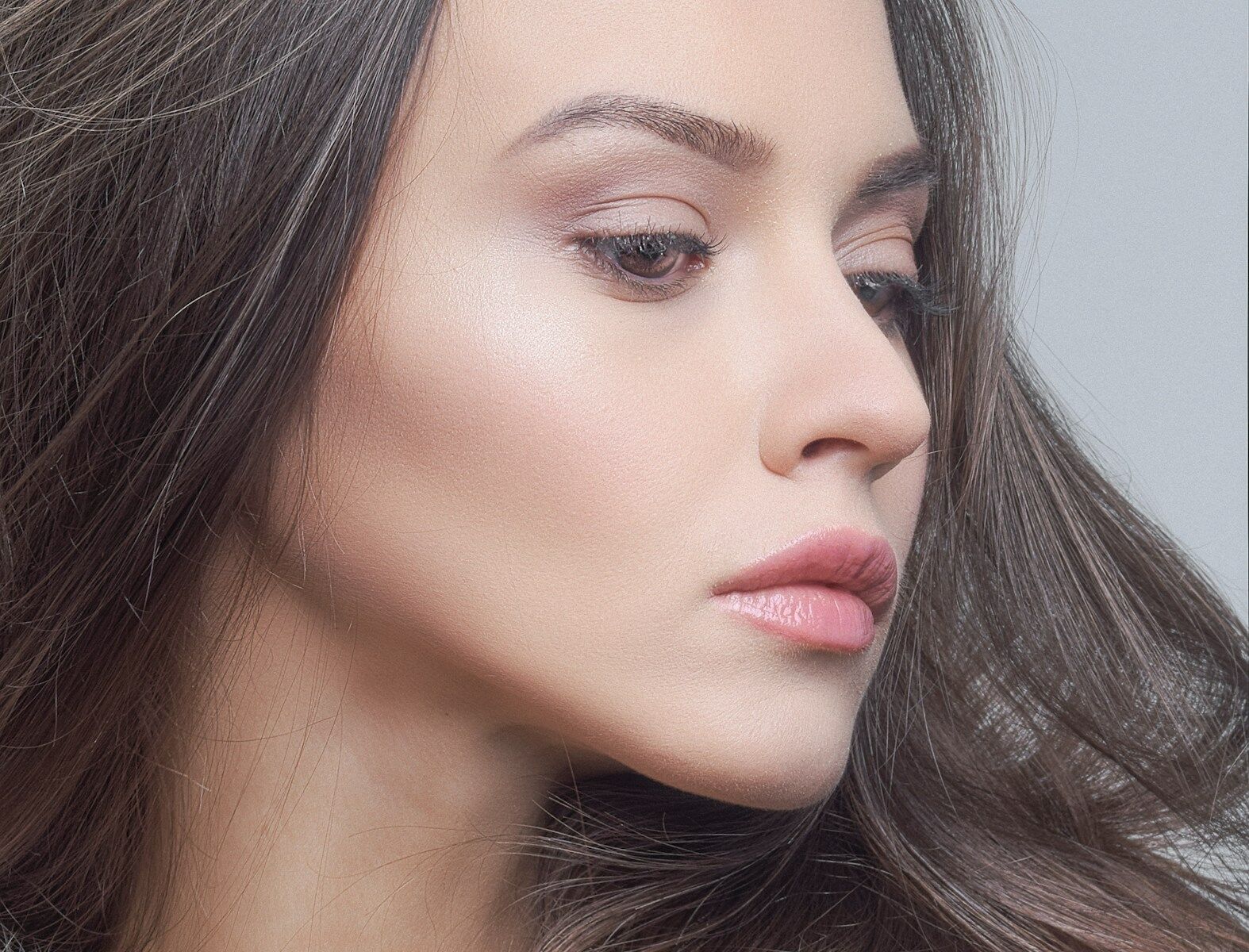
Your face says a lot before you even speak. A raised eyebrow can show surprise, a frown can signal worry, and a smile can brighten your whole face. So, if you are thinking about Botox, it is fair to wonder whether relaxing facial muscles will change the way you express yourself.
This is a common concern we’ve seen among people here in Louisville, KY. So, can you still look like yourself?
The simple answer is yes. You can still look like yourself after getting Botox, although it all comes down to the provider’s approach and what you actually want for yourself. Below, we discuss how that works in practice.
1. Botox Softens Muscle Movement, Not Your Personality
Botox works by temporarily reducing signals between nerves and certain muscles. When those muscles contract less strongly, the skin above them folds less, which can soften lines caused by repeated facial movements. These are often called dynamic wrinkles. They may appear across the forehead when you raise your eyebrows, between the brows when you frown, or beside the eyes when you smile.
Botox does not remove your ability to feel happy, sad, worried, or surprised. Those emotions come from more than one muscle. However, because facial movement helps communicate feelings, relaxing certain muscles can change how strongly some expressions appear. The aim is to reduce unwanted lines while keeping enough movement for your face to look natural. You should still look like yourself, only with softer lines in the treated areas.
2. The Dose Can Affect How Your Face Moves
One reason some people end up with a stiff or frozen look is that the treatment reduces too much movement in key areas. This can happen when the dose does not suit the person’s muscle strength, facial structure, or goals. For example, the forehead muscle helps lift the eyebrows. If it is weakened too much, the brows may feel heavy or sit lower than before. On the other hand, leaving some movement can allow the face to remain expressive while still softening forehead lines.
The right dose is not the same for everyone. Someone with strong forehead muscles may need a different plan from someone with finer lines and less muscle movement. Good BOTOX in Louisville, KY considers these differences rather than adopting the same amount for every face.
It also helps to be clear about what you want. If you prefer to keep some lines when you smile or raise your eyebrows, say so before treatment. A softer result may be more suitable than trying to smooth every line completely.
3. Injection Placement Helps Preserve Natural Expressions
Facial muscles work together, so treating one area can affect how another area looks or moves. This is why injection placement calls for more than simply following the lines you see in the mirror.
Take the area between the eyebrows. Treating the muscles responsible for frowning can soften the vertical lines that appear when you look worried or concentrate. Around the eyes, carefully placed injections may reduce crow’s feet while allowing a natural smile.
The forehead needs special care because its muscles help raise the brows. The injector must consider brow position, muscle strength, and how the forehead moves when you speak or react. For example, at CaloSpa, treatment planning includes assessing facial anatomy and expressions before marking injection points. This kind of assessment helps guide placement and dosing around your natural movement, rather than treating every wrinkle as if it were the same.
4. Your First Treatment Does Not Have to Aim for a Frozen Look
If you have never tried Botox, you may feel unsure about how your face will respond. You do not need to begin by asking for the strongest possible wrinkle reduction. A more measured approach may be a better way to learn what suits you.
During your consultation, explain which lines bother you and which expressions you want to keep. You might want to soften the deep crease between your eyebrows but still move your forehead when you are surprised. These preferences help the injector set a realistic goal.
Ask what changes you can expect, when the results should appear, and whether a follow-up assessment is appropriate. Botox results usually begin to show within a few days, with the full effect becoming clearer over about one to two weeks. The treatment is temporary, so muscle movement gradually returns as its effects wear off.
Remember that the best result for you may not be the smoothest forehead possible. It should match your comfort level and how you want your face to look when you laugh, talk, or react.
5. Know What Botox Can and Cannot Do
Botox works best on wrinkles caused by repeated muscle movement. It may soften lines at rest over time, but it does not replace lost facial volume or remove all signs of aging. Deep folds caused by changes in skin and underlying tissue may need a different approach.
Treatment also has risks. Temporary bruising, swelling, headache, or tenderness can occur. Depending on the injection site and technique, some people may develop a drooping eyelid or eyebrow. Rarely, more serious effects can occur, so it is important to choose a qualified medical professional who understands facial anatomy and can explain the risks.
Tell your injector about your health conditions, medications, previous treatments, and any concerns you have. If you notice unexpected weakness, trouble swallowing, or difficulty breathing after treatment, seek urgent medical care.
Wrapping It Up
Botox can soften expression lines without making you look like a different person. The key is to choose a treatment plan based on your facial movement, your goals, and the amount of change you actually want.
Before booking, discuss your concerns openly and ask how the injector will balance wrinkle reduction with natural expression. You should feel comfortable asking for a subtle result. Looking refreshed does not have to mean giving up the little movements that make your face uniquely yours.




Leave A Comment