
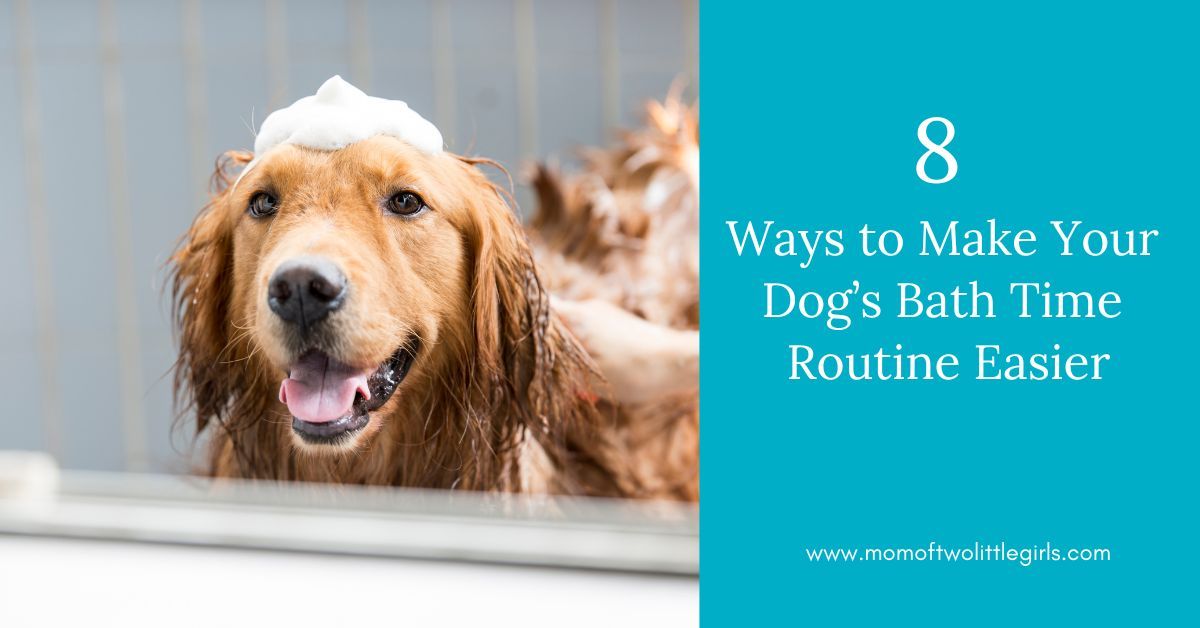
While you may love your furry companion with all your heart, sometimes bath time can be a nightmare for dog owners. It may be a special struggle to clean a pet who seems to have a natural aversion to water or is terrified of getting wet.
Because of this, you may see your bath time routine with your dog as the ultimate test of patience. At worst, baths may leave you and your dog feeling frazzled, hopeless, and anxious about the next one. But it is all part of being a responsible dog owner.
With the right approach, bath time can become more manageable, and after some time, it may even be enjoyable for you and your pet. Try the following tips for making your dog’s bath time routine both more efficient and a pleasant experience for the two of you:
1) Prepare Your Supplies Beforehand
One thing you may not look forward to in the least is having to run around the house during bath time to grab things you forgot about. In your absence, your dog’s anxiety may increase, or they may wander out of their bath area all wet and soapy and require you to clean up more afterwards.
Before the water even touches your pet, try to ensure you have all the supplies you need, like dog shampoo, conditioner, towels, a non-slip mat, their comb, and others. Being prepared and having these items within arm’s reach will ensure a smooth and interrupted bathing process where you won’t have to leave your pet unattended anytime throughout the session.
2) Incorporate Positive Reinforcement into Your Bath Time Routine
You can also try to alter your pet’s negative perception of bath time by applying positive reinforcement. Integrate treats, toys, and verbal praise into the routine to create a positive association with bath time and ease their anxiety about it.
If your dog cooperates or behaves during and after the bath, reward them for example by letting them play with their favourite pet toys and pet merchandise. Eventually, your dog will start associating bath time with these positive outcomes, making them more willing to get in the tub and get cleaned.
3) Brush Your Dog’s Coat Before Bathing
Before giving your dog a bath, brush their coat to help get rid of tangles, knots, and loose fur. This pre-bath grooming procedure will help disperse natural oils throughout your dog’s coat and improve their skin health.
Brushing a dog’s coat beforehand will be particularly helpful in preventing matting in dogs with long or dense fur. It will also ensure a more effective washing procedure that lessens the chance of pain, stress, and tangles during and after the bath.
4) Adjust the Water to a Comfortable Temperature
Dogs are just as sensitive to extreme temperatures as humans are, so remember to bathe your pet in water at the right temperature. Water that’s too hot or cold can startle your pup and make the experience unpleasant from the get-go, leading to resistance of future baths.
Test the water before bathing them to guarantee that your dog feels comfortable and remains calm throughout the bathing process. If you need a benchmark, bathe your dog with water at temperatures you yourself would be comfortable with.
5) Gradually Introduce Your Dog to the Water
For owners with younger dogs, the initial shock when their bodies meet a sudden spout of water can possibly trigger fear and anxiety, which will of course lead to a stressful bath time. To avoid this, make it a point to slowly introduce your puppy to water. You may start by wetting their paws and legs before slowly moving up to the rest of their body.
It’s best to use a cup or handheld sprayer to control the flow of water, and to avoid pouring water directly onto your dog’s head, ears, and face, as these are sensitive areas. This approach will help acclimate your dog to the sensation of being wet in a controlled and reassuring manner.
6) Use Dog Shampoo
Next, remember to use bath shampoo specifically designed for dogs since human shampoos can disrupt the natural pH balance of your dog’s skin and cause irritation or dryness. Dog-specific shampoos are formulated to maintain the health of your dog’s skin and coat, and they’ll also be the most comfortable and forgiving shampoos to use during bath time. Make sure to read the labels and consult your veterinarian so that you can choose the best product for your dog’s skin and coat type.
7) Protect Your Dog’s Ears from Water
When water accidentally gets into your dog’s ears, this can cause discomfort and infections, especially in breeds with long and floppy ones. Before bathing your pet, gently place cotton balls at the entrance of their ear canals. This precaution will block water from entering their ears, reduce discomfort from trapped water, and decrease your dog’s risk of ear infections. Just remember to remove the cotton balls immediately after their bath and dry the area around their ears thoroughly.
8) Dry Your Dog Promptly and Gently
After the bath, dry your dog immediately using a towel to absorb as much water as possible from their fur. Make sure to dry them with gentle patting and rubbing motions.
If your dog is comfortable with the sound, a blow dryer on a low and cool setting can be used to speed up the drying process. Always keep it at a safe distance to avoid burns and to keep the noise from scaring them.
For dogs with thicker or longer coats, extra brushing can help quicken the drying process and prevent tangles. This final step in your bath time routine will help your dog stay warm and comfortable and end their experience on a soothing note.
Bath time doesn’t have to be a miserable thing for you and your dog to get through together. With these tips, and with your commitment to approach them with patience and compassion, your dog may soon trust you enough to let you bathe them without any fuss—and perhaps even look forward to bonding with you during their weekly or monthly bath!






Leave A Comment