
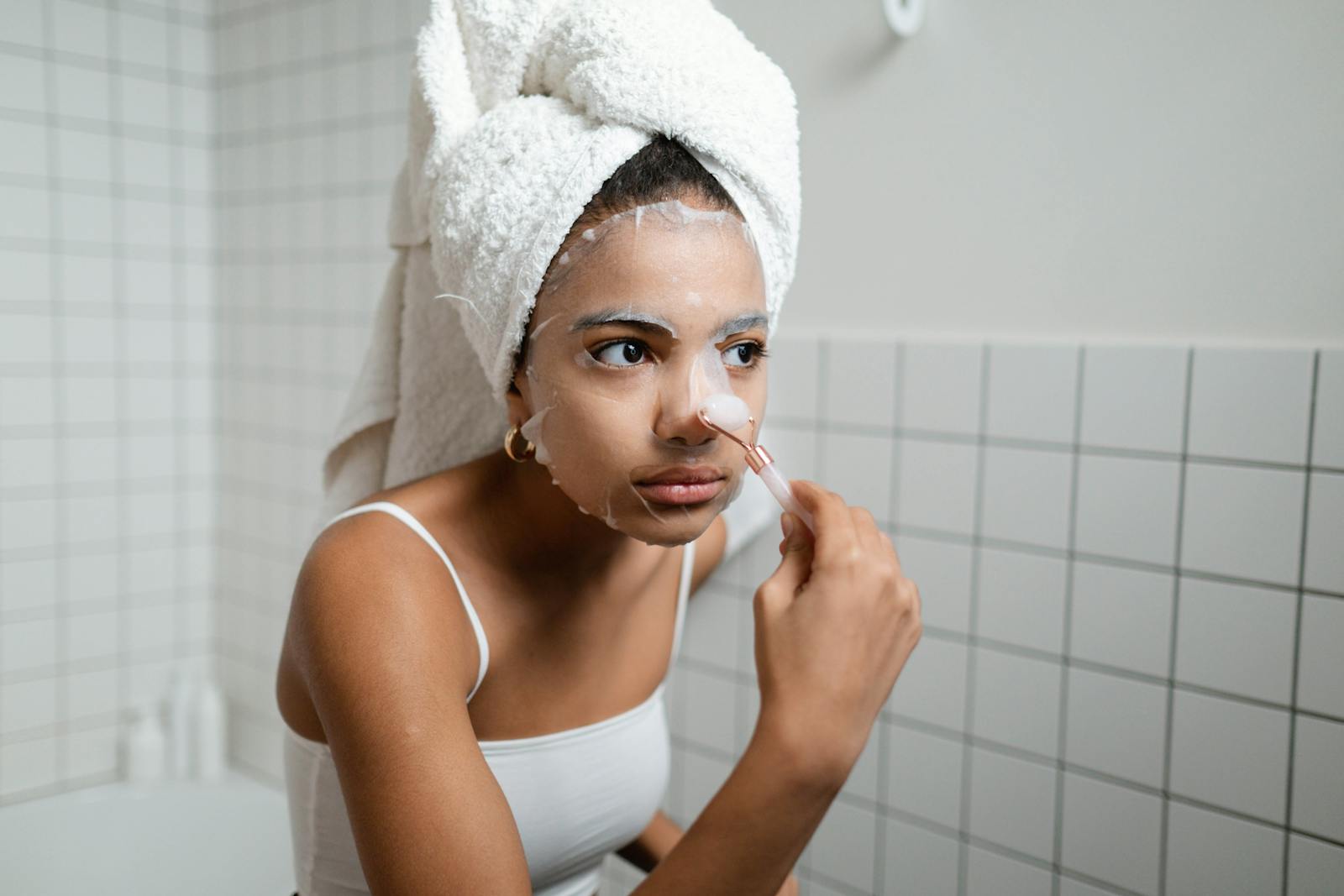
Many parents, such as myself, are facing an ongoing debate around skin care for tweens and teens. I don’t think many of us were ready for the skin care craze that has taken over young girls is a minefield. I mean, it could be worse, right – they could be obsessed with alcohol, cigarettes or vaping. However, we still need to be mindful of the products and ingredients our young people put on their skin. With skin care brands with clever names, and marketing machines behind them, and an ever increasing volume of ‘get ready with me’ videos on social media, it’s a tough one to ignore.
My youngest daughter (11 years old) has eczema and has done since she was a baby. It is usually under control, but we have to tackle it when it flares up. We recently took her to a dermatologist, Dr Faheen Latheef, who helped us to understand that some of the skincare products that she was using were not good for her skin. It has put us on a journey of awareness to understand what products are good for her and what is not.
BBC Yorkshire recently interviewed us about this experience, which you can see in the clip below. It’s important to note that even if your children are not on social media, or if you monitor their use of social media, they can still be influenced by their friends and peers, so please don’t assume that if they are not on social media that they won’t be exposed to the latest craze. All we can do is educate ourselves and them, and teach them to question everything.
As children grow, their skin undergoes significant changes. Between the ages of 9 and 15, many kids start experiencing pre-puberty and puberty, which can lead to new skin challenges such as dryness, sensitivity, or acne. While it might be tempting to grab the trendiest products, it’s vital to prioritize safety and effectiveness when selecting skincare for your child. Here’s a comprehensive guide for parents on what to look for—and what to avoid—when shopping for children’s skincare products.
Key Considerations for Children’s Skin Care
1. Gentle Ingredients Only
Children’s skin is more sensitive and prone to irritation. This means they need products with gentle, non-irritating ingredients. Look for labels that mention “hypoallergenic” or “safe for sensitive skin.”
2. Fragrance-Free Products
Synthetic fragrances are a common cause of skin irritation and allergies. Opt for fragrance-free products or those with naturally derived scents from essential oils (but even these should be used with caution).
3. Non-Comedogenic Formulas
Starting in puberty, many kids may experience clogged pores and acne. Choosing non-comedogenic products helps prevent further irritation and breakouts.
Ingredients to Avoid in Skin Care for Tweens and Teens
When choosing skincare products, it’s important to steer clear of certain ingredients that can harm your child’s delicate skin. Here are the main culprits:
- Parabens
Parabens, commonly used as preservatives, may disrupt hormonal balance. Look for “paraben-free” labels on skincare products. - Sulfates (e.g., SLS, SLES)
Sulfates are harsh detergents found in many foaming cleansers. They can strip natural oils and dry out the skin. Instead, choose sulfate-free cleansers. - Alcohol Denat (Denatured Alcohol)
Found in many toners and gels, alcohol denat can dry and irritate sensitive skin. Alcohol-free alternatives are a better choice. - Artificial Dyes
Synthetic colours may lead to skin irritation and allergic reactions. Choose dye-free skincare products. - Synthetic Fragrances
These can irritate the skin and trigger allergies. Always opt for unscented products or those with mild, natural scents. - Retinoids (Retinol, Retinaldehyde)
Though effective for older teens and adults, retinoids are unnecessary for young skin and may cause sensitivity. They really are not necessary for young children under the age of 16. - Harsh Exfoliants (e.g., Microbeads)
Physical exfoliants with sharp particles can damage delicate skin. Opt for gentle, natural exfoliants like oatmeal or jojoba beads if exfoliation is necessary.
Must-Have Ingredients for Young Skin
To keep your child’s skin healthy, look for products with these beneficial ingredients:
- Aloe Vera
Known for its soothing and hydrating properties. - Chamomile
Helps calm redness and irritation. - Glycerin
A safe humectant that draws moisture to the skin. - Zinc Oxide
Found in mineral sunscreens, it provides effective UV protection without irritation. - Shea Butter
Moisturizes and nourishes the skin naturally. - Hyaluronic Acid
Offers lightweight hydration, perfect for young skin.
Specific Skin Concerns in Tweens and Teens
Dryness
To address dryness, choose moisturisers with ceramides, which help restore the skin barrier, or mild, hydrating ingredients like shea butter, or an eczema cream for eczema-prone skin.
Acne-Prone Skin
Look for low concentrations of salicylic acid or tea tree oil for mild acne to gently cleanse and unclog pores. Avoid overusing these products, as they can cause dryness.
Sun Protection
A broad-spectrum sunscreen with SPF 30 or higher is a must for outdoor activities. Mineral sunscreens with zinc oxide or titanium dioxide are safe and effective for sensitive skin.
How to Introduce a Skin Care Routine For Young Girls
- Start Simple: The basics—cleanser, moisturizer, and sunscreen—are all that’s needed at this age. Avoid overwhelming your child with too many products.
- Teach Patch Testing: Before introducing a new product, test it on a small patch of skin to ensure there’s no reaction.
- Emphasize Gentle Cleansing: Teach kids to avoid scrubbing their face harshly. A gentle circular motion with their fingers is sufficient.
Conclusion
Choosing the right skincare for children aged 9 to 15 doesn’t have to be complicated. By focusing on safe, gentle, and effective ingredients—and avoiding harmful chemicals—you can help your child maintain healthy skin during these formative years. Remember, less is often more when it comes to skincare for kids. A simple routine and a little guidance can set them up for a lifetime of good habits.
Do you have any favourite kid-friendly skincare products or tips? Share them in the comments below!






Great Post & very informative
Very good post and interesting reading