
Jaw misalignment, also known as malocclusion, is not just an aesthetic concern but a functional issue that affects oral health significantly. It can lead to problems with speaking, chewing, and maintaining proper oral hygiene. Orthodontists play a critical role in diagnosing and treating these issues, ensuring that patients achieve both the smile and the oral health they deserve. With their specialized training, they are adept at correcting misalignments that may have been overlooked in the past. In this article, we will delve into the intricacies of jaw misalignment and the vital role orthodontists play in treating this condition.
Customized Treatment Plans: How Orthodontists Approach Jaw Misalignment
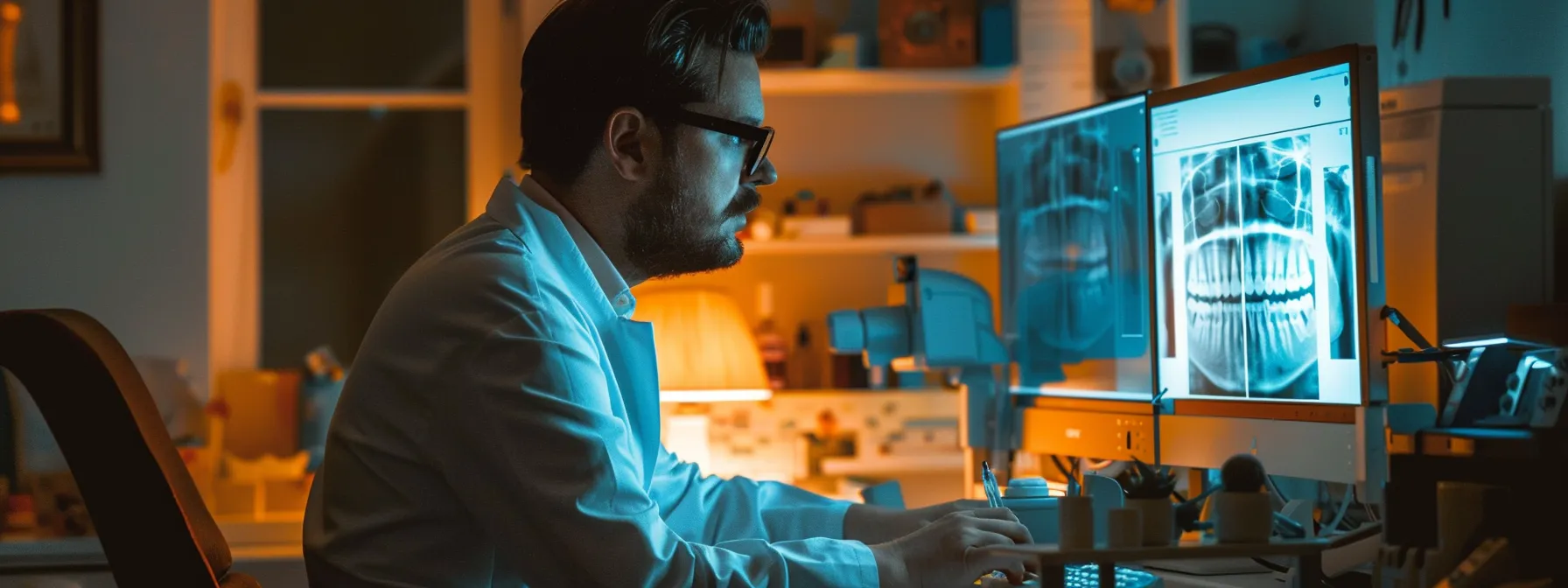
Every patient presents unique challenges when it comes to correcting jaw misalignment. Therefore, orthodontists employ an individualized approach, tailoring treatment plans to match the specific needs of each person. This personalization is rooted in detailed assessments, which may involve X-rays, 3D imaging, and molds of the teeth and jaw. Based on these insights, orthodontists develop a strategy that optimally addresses the alignment issues at hand.
Patients are often presented with various treatment options, ranging from traditional metal braces to more discreet methods such as clear aligners. The selection of an appropriate treatment modality considers factors such as the severity of misalignment, patient age, preferences, and lifestyle. Patients must be actively involved in their treatment planning, ensuring their comfort and commitment throughout the orthodontic process.
When considering the expertise required to manage jaw misalignment, it’s vital to choose a professional with ample experience and a proven track record. For instance, the orthodontists in Flower Mound, TX are known for their meticulous approach to customized care, ensuring that each patient receives the most effective treatment plan for their specific condition.
The Importance of Early Detection and Treatment of Jaw Disorders by Orthodontists
Early detection of jaw disorders is pivotal in mitigating long-term dental issues. Orthodontists are trained to identify the early signs of jaw misalignment in patients, often during childhood. This proactive approach enables interventions that can guide the growth of the jaw and reduce the severity of malocclusion before it fully develops. Furthermore, early treatment can simplify and shorten the process required for correction later in life.
Timely diagnosis of misalignment issues can lead to less invasive treatment options. For instance, appliances like palatal expanders can be used in growing children to address space issues and prevent the extraction of teeth later on. Adolescents and adults may benefit from accelerated orthodontic procedures, which can be less effective or more complicated if initiated later in life.
Orthodontic Devices and Techniques for Correcting Jaw Misalignment
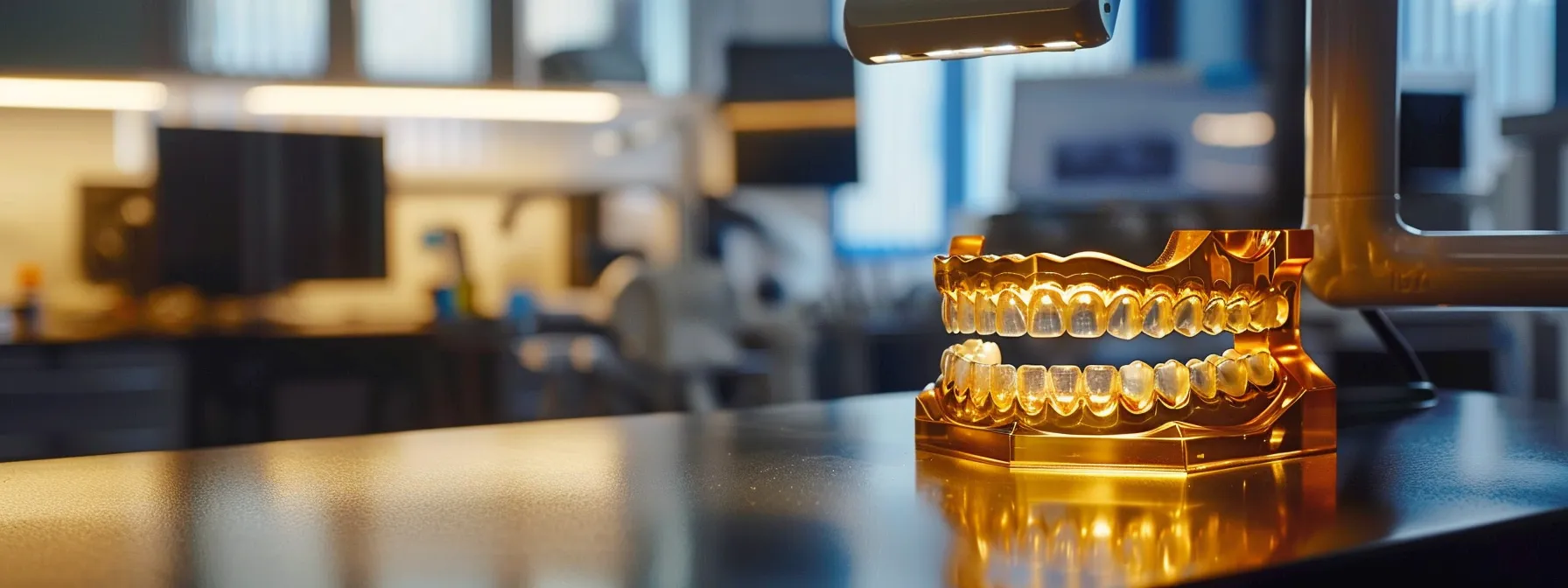
Orthodontists utilize a range of devices and techniques to correct jaw misalignment. Traditional braces remain a common and effective solution for many patients. By applying consistent pressure over time, these braces guide teeth into proper alignment and adjust the positioning of the jaw. Innovations in braces design, including ceramic or lingual braces, offer less conspicuous treatment options that appeal to image-conscious patients.
Clear aligner technology has revolutionized orthodontics, offering a nearly invisible alternative to metal braces. These aligners are custom-fabricated to fit snugly over the teeth and are replaced periodically to facilitate tooth movement. While not suitable for all types of misalignment, they provide an aesthetically pleasing and often more comfortable choice for qualifying patients.
Tracking Progress and Success: The Role of Follow-Up Care in Orthodontic Treatment
The journey towards properly aligned jaws does not end with the removal of braces or the last set of aligners. Follow-up care is an integral part of the orthodontic treatment process. Orthodontists schedule regular post-treatment check-ups to ensure that the teeth remain in their new position and that any minor adjustments needed post-treatment are made promptly.
Retention devices, such as retainers, are often prescribed after active orthodontic treatment concludes. These devices play a pivotal role in maintaining the new alignment and preventing relapse, which can happen if the tissues and bone surrounding the teeth take time to adapt to their new positions. Such retention strategies are tailored to the individual’s needs and are vital for the long-term success of the treatment.
Overall, the expertise of an orthodontist in treating jaw misalignment is indispensable, not only for the aesthetic benefits but for the myriad of oral health improvements that follow. With comprehensive care, early detection, customized treatment plans, appropriate orthodontic devices, and diligent follow-up, orthodontists are instrumental in successfully realigning jaws and renewing smiles. The road to optimum oral health begins with a well-aligned jaw, and orthodontics is the guiding light along this path.




Leave A Comment