
Motherhood is full of joy, but it comes with challenges, too. One that many moms face but rarely talk about? Hair loss. For some, it’s the hormonal shifts after pregnancy; for others, it’s the constant stress of balancing everything. Whatever the cause, losing hair can feel like losing a part of yourself.
But here’s the good news: hair restoration surgery is giving moms in Miami and beyond a fresh start. These procedures provide natural-looking, permanent results that rebuild not just hair but confidence, too.
Intrigued? Then read on! In this blog, we’ll answer the most common questions about hair restoration, explore why it’s an ideal solution for moms, and share tips for preparing for the journey.
Let’s jump in!
What Exactly Is Hair Restoration Surgery?
It is a procedure designed to restore areas of thinning or lost hair. It involves taking healthy follicles from areas that naturally resist hair loss—usually the back of your head—and transplanting them to areas where hair is thinning. Over time, these transplanted follicles grow naturally, blending seamlessly with your existing hair.
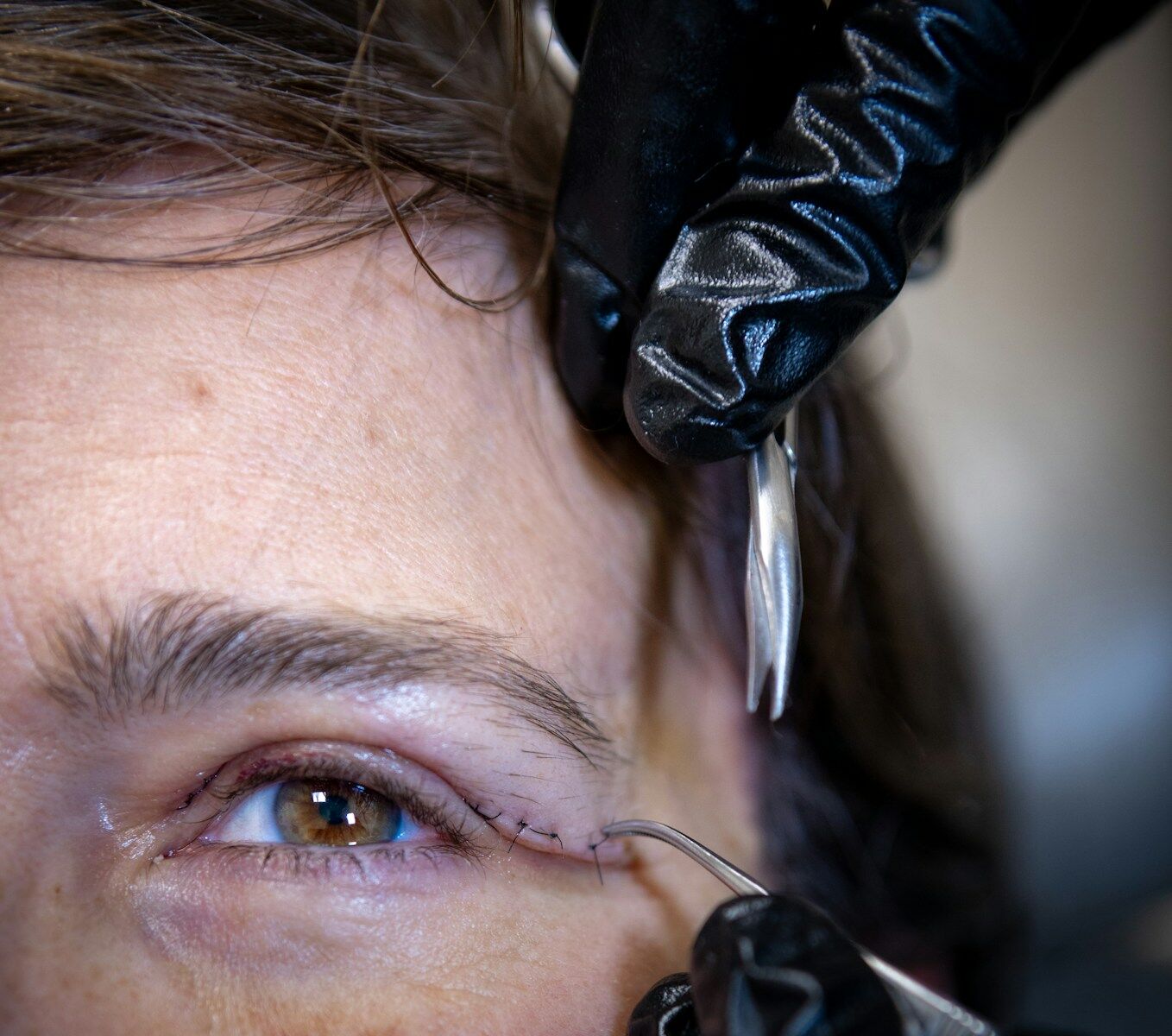
Here’s the best part: this procedure doesn’t just work on your scalp. Many individuals who’ve undergone hair transplantation with Dr. Anthony Bared in Miami share how it can also be done on small areas like eyebrows. You just need to look for an expert that is skilled enough for it. Whether it’s restoring confidence in your appearance or helping you look and feel like yourself again, this procedure can truly be transformative.
Is the Procedure Safe?
Safety is always a top priority, especially when it comes to surgery. Thankfully, this one is a minimally invasive and low-risk procedure when performed by an experienced specialist. It uses techniques like Follicular Unit Extraction (FUE) that are designed to minimize discomfort, scarring, and downtime.
Plus, a skilled surgeon will thoroughly evaluate you beforehand to ensure you’re a good candidate. This step not only enhances safety but also ensures the best possible results. Still, it’s natural to have questions. Can you trust the results? For that, you can always consult with an expert. They can address these concerns and put your mind at ease.
Will It Give You Natural-Looking Results?
Absolutely! Modern restoration techniques are designed to create natural, undetectable results. Advanced methods like FUE allow surgeons to place each follicle with precision. This ensures the direction, angle, and density mimic your natural hair growth.
Patients often share that friends and family can’t even tell they’ve had surgery—it’s that seamless. If you’re worried about scarring, rest assured that today’s techniques leave minimal, almost invisible marks.
What’s the Cost of These Procedures?
The costs for this procedure typically range from $5,000 to $15,000. It usually depends on factors like the size of the area being treated, the number of grafts needed, and the technique used.
While it’s a significant decision, the long-term benefits make it worthwhile. Unlike temporary solutions like wigs or topical treatments, this procedure offers permanent results that can save you time, effort, and money in the long run.
How Should You Prepare for This Procedure?
Getting ready for the procedure doesn’t have to be overwhelming. A few thoughtful steps can make the process smoother and help you achieve the best results.
- Adjust Medications and Supplements:
Certain medications and supplements can increase the risk of bleeding or interfere with healing. Your doctor will provide specific guidance on which ones to stop temporarily. Common examples include blood thinners, anti-inflammatory drugs, and certain herbal supplements. Always follow your surgeon’s instructions carefully.
- Stay Hydrated and Eat a Balanced Diet:
Good nutrition supports faster healing. In the weeks leading up to your surgery, focus on eating a balanced diet rich in vitamins and proteins. Staying hydrated is equally important—it keeps your body in top condition for recovery.
What Should You Expect During Recovery?
Recovery from the surgery is often easier than most people think. But it’s important to know what to expect. The donor area usually heals within 3–15 days, depending on the technique. The transplanted area heals in about 5–7 days, but it may take several months for new hair to grow. Full results typically appear within a year.
Some mild swelling, redness, or itching is normal. Following aftercare instructions helps manage these symptoms and ensures smooth healing.
Wrapping Up
Hair restoration is more than a procedure—it’s a way to reclaim your confidence. Whether it’s addressing thinning hair or small areas like eyebrows, advanced techniques offer natural, lasting results. With the right preparation and expert care, you can look and feel your best again. Take the first step and embrace the change you deserve!




Leave A Comment