
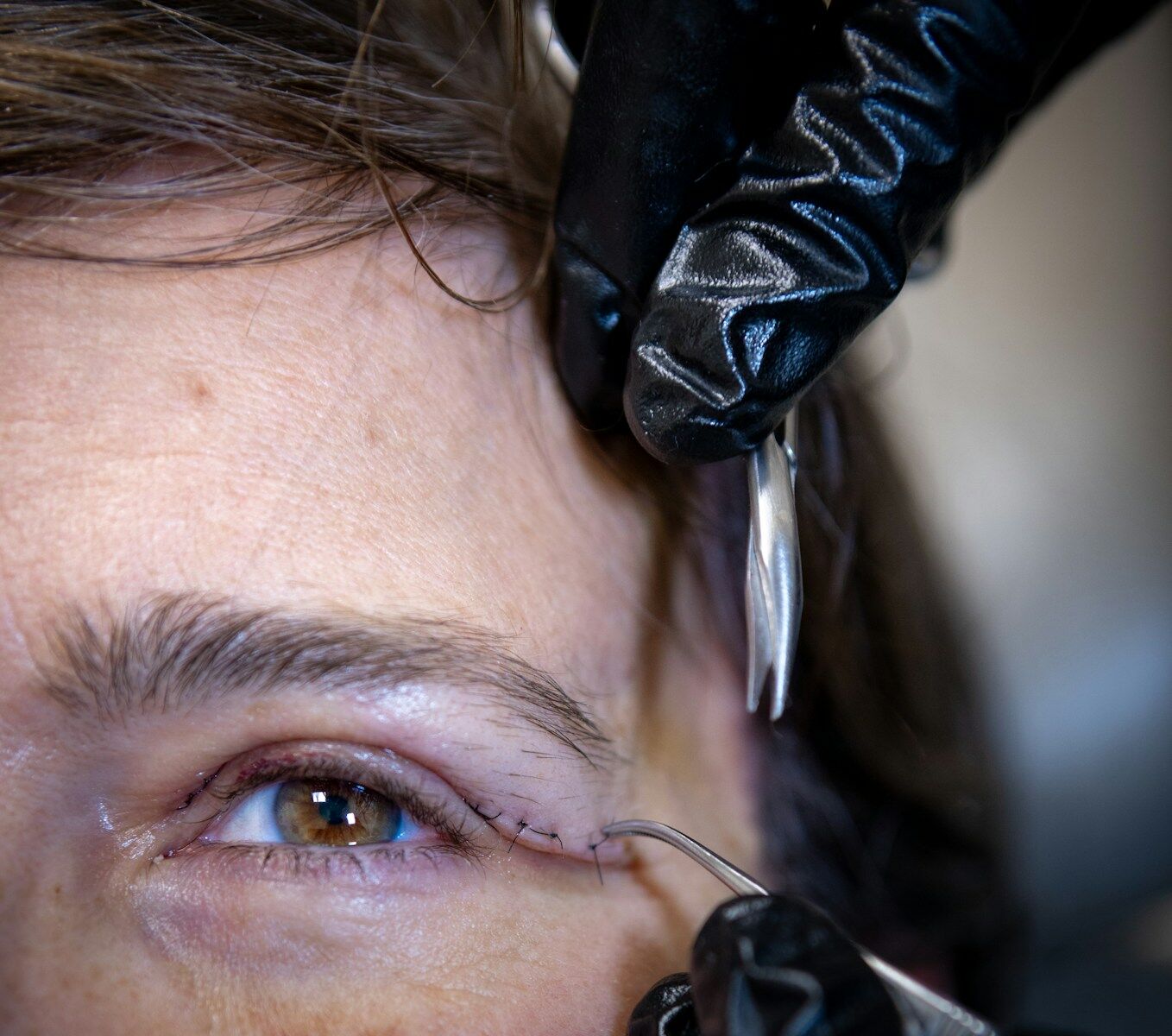
There is a particular kind of tiredness that has nothing to do with how much sleep you got. It lives in the eyelids, in drooping skin and heaviness above the lash line, and it follows you into every photograph and video call whether you feel it or not. For many women, eyelid surgery is the moment that gap finally closes.
In St. Louis, where women are increasingly open about the cosmetic decisions they make, this procedure is showing up in more honest conversations. The question most women want answered before taking a step forward is simple: is it actually worth it? Women who have been through it tend to give a pretty consistent answer.
What the Research on Patient Satisfaction Actually Shows
Patient satisfaction data on blepharoplasty is remarkably consistent. A peer-reviewed study published in the Aesthetic Surgery Journal, analyzing nearly 2,000 RealSelf reviews, found that 93.5% of patients who self-reported a rating described the procedure as worth it, making eyelid surgery one of the highest-rated cosmetic procedures on any reviewed platform.
That number is striking not just for how high it is, but for what drives it. The same research found that positive reviews consistently cited natural-looking results, improved vision and daily function, and the confidence patients gained from no longer looking as tired. These are the practical, lived outcomes women describe when they talk about why eyelid surgery changed something meaningful for them.
What Women Say Changed Most After Eyelid Surgery
The most common theme in what women describe after eyelid surgery is not about how they look in photographs, even though that often improves significantly. It is about how they feel in everyday interactions. Women report feeling more comfortable making eye contact, more willing to show up to events without full makeup, and less self-conscious in video calls and group photos. The change is not always dramatic to the outside observer. To the woman herself, it tends to feel significant.
For women who had drooping upper eyelids beginning to affect peripheral vision, the functional benefit adds another layer. Being able to see clearly without tilting the chin up or constantly raising the brows affects daily life in a way that goes well beyond aesthetics. Those patients often describe the procedure as one of the most practically useful decisions they could have made.
What to Expect From the Consultation Process
Most women find the consultation for eyelid surgery less intimidating than expected. A thorough surgeon will examine both upper and lower lids, assess the degree of skin laxity and fat herniation, discuss whether the concern is cosmetic or also functional, and give a clear picture of what is achievable. Women who come in with specific photographs or a clear articulation of what bothers them tend to have more productive consultations. For women considering eyelid surgery in St Louis, the consultation is where individual goals are mapped to realistic outcomes.
Renaissance Plastic Surgery takes a detailed approach to assessing both the cosmetic and functional aspects of each patient’s eyelid concerns, which is what makes the difference between a result that looks natural and one that looks like something was done.
Recovery: What Women Wish They Had Known Upfront
The most consistent advice women give to those considering eyelid surgery is to be genuinely prepared for the first week. Swelling and bruising are normal and can feel more significant than anticipated, particularly around the eyes, where the skin is delicate and the reaction is visible. Cold compresses, keeping the head elevated, and resisting the urge to check results in the mirror every hour all make the first several days more manageable. Most women feel presentable within ten to fourteen days.
The other thing women consistently mention is that patience pays off. Results continue to refine for weeks and sometimes months as swelling fully resolves and the eyelids settle. Women who judge the outcome at two weeks tend to feel very differently at two months. Going into recovery with that timeline in mind changes the entire experience.
How Long the Results of Eyelid Surgery Last
Eyelid surgery is often considered a long-lasting option because it addresses excess skin and fat directly. Here are some key points about how long the results can last:
- Upper eyelid results can last for years: Results typically last five to seven years or longer, and some patients may not need revision for a decade or more.
- Lower eyelid results are often highly durable: Improvements to the lower eyelids can remain noticeable for many years, although the natural aging process continues.
- Removed skin does not grow back: Skin that is surgically removed during eyelid surgery does not simply return, although surrounding tissues will continue to age over time.
- Repositioned or removed fat does not typically return: Addressing excess fat during surgery can provide a lasting structural improvement to the area.
- Aging still continues naturally: Eyelid surgery does not stop aging, but it can provide a more refreshed starting point as the face continues to change.
- Long-term value may be an important consideration: Unlike creams, serums, fillers, and certain devices that generally require repeated use or treatments, eyelid surgery creates a structural change that can last for many years.
Ultimately, the longevity of eyelid surgery can make it an appealing option for women looking for a lasting improvement rather than a temporary change.
Conclusion
The women most satisfied after eyelid surgery tend to share two things: they went in with clear, realistic goals, and they chose a surgeon who evaluated their concerns honestly rather than just agreeing with everything they brought in. The procedure consistently delivers what it promises when those conditions are in place, which is why the satisfaction numbers are as high as they are.
If eyelid heaviness, persistent tiredness in your appearance, or vision affected by drooping skin is something you have been thinking about, a consultation is the most useful next step. It costs nothing to have that conversation, and the clarity it provides tends to make the decision much simpler than the research phase suggests.





Leave A Comment