
Are you looking for ways to make your outdoor space eco-friendly? Do you wish to design a sustainable landscape that enhances your well-being and the environment? Then, you should look no further!
An eco-friendly garden doesn’t mean sacrificing beauty. Sustainable landscaping can make your outdoor space even more attractive and full of life. An eco-friendly garden can help reduce waste, promote biodiversity, and support local ecosystems.
The best part? You don’t need to be a gardening expert to make your landscape more sustainable. In this guide, we’ll explore easy and practical ideas for creating an environmentally friendly space while keeping your garden beautiful and inviting.
The Importance of Sustainability in Landscape Design
A sustainable garden is more than just pretty; it helps the planet, too. It creates a landscape that is good for the environment and beneficial for your health and well-being.
Traditional landscaping often wastes water, harms soil, and relies on chemicals. A greener approach focuses on using natural resources wisely. These techniques can help create a more beautiful and natural outdoor environment while using less water and reducing the need for harmful chemicals. Sustainable design also supports local wildlife, improves air quality, and saves money in the long run.
Eco-Friendly Landscaping Ideas
Use Native Plants
Native plants thrive in your local climate with little effort. They need less water, fertilizer, and pesticides, making them low-maintenance and eco-friendly. Plus, they attract birds, bees, and butterflies, boosting biodiversity. Some plant examples include goldenrod, blue sage, and prairie dropseed.
Xeriscaping
Xeriscaping is a landscaping method using plants and materials that need little to no water, ideal for arid climates or droughts. Swap thirsty grass for drought-resistant plants like cacti, succulents, and lavender, along with reduced turf grass and efficient irrigation, as they cut water usage. Mulch or gravel further conserves water. This means less watering, lower bills, and a yard that stays beautiful even in dry weather.
Use Recycled Materials
Sustainable landscape design incorporates recycled materials to minimize waste and reduce environmental impact. Options like crushed concrete, recycled plastic, and reclaimed wood add character while promoting eco-conscious choices. Alongside recycled materials, choosing durable landscaping products can also contribute to a more sustainable garden. Galvanised lawn edging is a weather-resistant, low-maintenance solution that creates clean, defined borders while resisting corrosion. Its long lifespan reduces the need for frequent replacement, making it a practical choice for gardens designed with sustainability in mind.
Reclaimed wood, for example, can create rustic garden beds and you could use double slatted fence panels to define your garden boundaries and give you that element of privacy.
Composite decking is another excellent option. As Eco-friendly plastic decking boards, they are crafted from recycled wood fibres and plastic. Not only does it help reduce landfill waste and prevent deforestation, but it also offers long-lasting durability with minimal upkeep. By selecting recycled materials that complement your design and withstand the elements, you can create a beautiful, sustainable outdoor space that aligns with nature.
Rainwater Harvesting
Rainwater harvesting is the process of collecting and storing rainwater. Collected rainwater can irrigate plants, clean furniture, and wash cars. This reduces reliance on municipal water, lowering bills. Rainwater systems range from simple rain barrels to complex cisterns that help to collect and store water underground.
Composting
Composting reduces landfill waste and produces natural fertilizer by turning organic waste into nutrient-rich soil. They exist in various methods, like compost bins, worm composting, and tumblers. Effective composting requires mixing “brown” and “green” materials, keeping them moist, and turning them regularly.
Green Roofs
A green roof is partially or fully vegetated, featuring soil, plants, and drainage. Benefits include reduced stormwater runoff, improved air quality, and lower energy costs through building insulation. Professional design and installation are crucial, considering roof weight, vegetation type, and maintenance.
Edible Landscaping
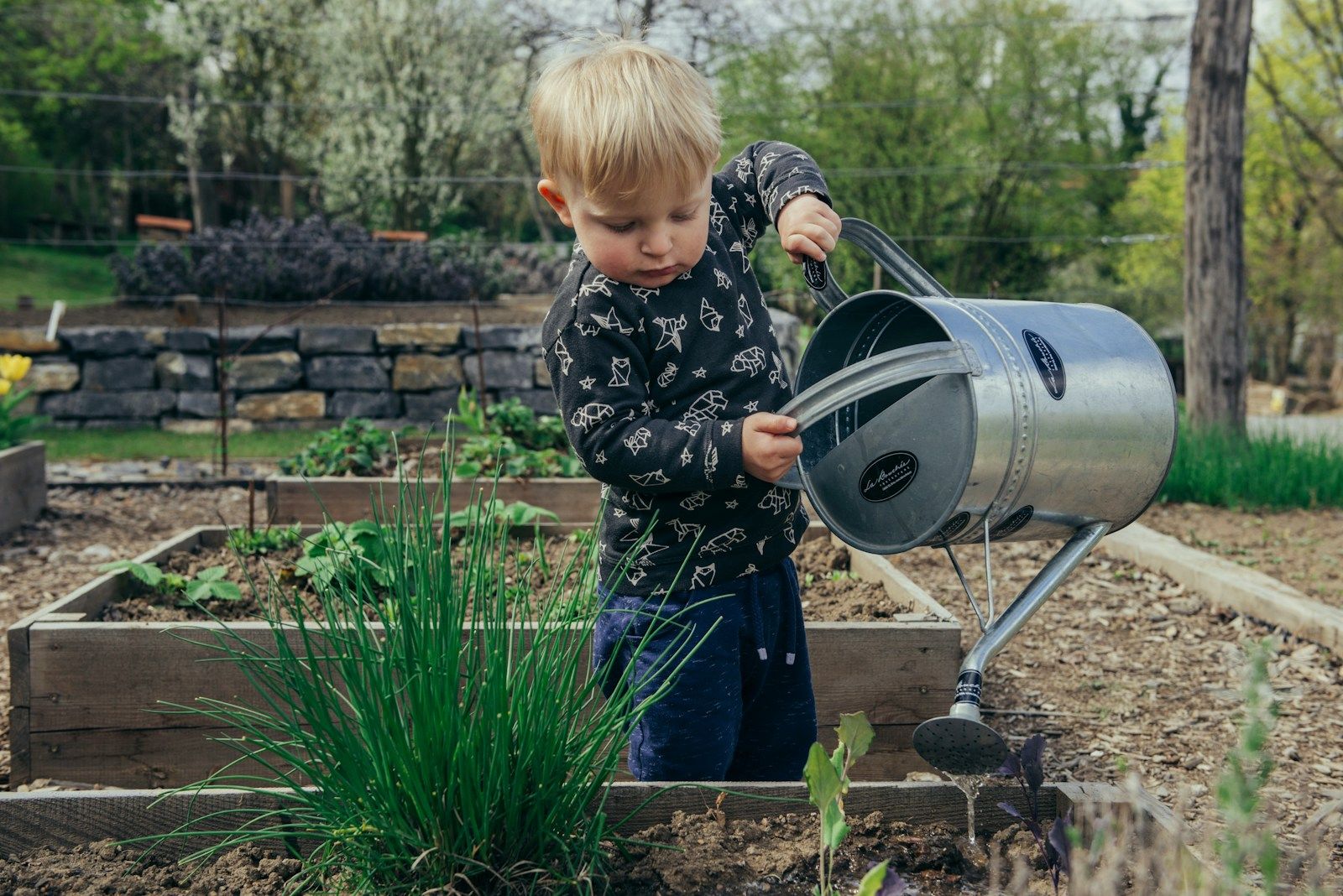
Edible landscaping integrates edible plants like fruits, vegetables, and herbs into a landscape design. This reduces lawn maintenance and provides fresh food. Consider sunlight, water needs, and soil type when incorporating edibles. Features, like raised beds or vertical gardens maximize growing space and are an important consideration to those who need to childproof your outdoor space.
Vertical Gardening
Vertical gardening maximizes small spaces by growing plants on vertical surfaces like walls or trellises, adding visual interest. They offer unique beauty and promote sustainability. You can choose from modular systems, wall-mounted planters, or living walls based on your needs. When designing, consider sunlight, water needs, and system weight. Also, incorporate features like drip irrigation.
Permeable Paving
Permeable pavement lessens erosion, flooding, stormwater runoff, and water pollution by allowing rainwater to seep through the surface and into the ground. They’re made from porous concrete, gravel, or permeable pavers. To design an eco-friendly permeable pavement, consider soil type, terrain slope, and rainfall. Also, consider incorporating green spaces like planting strips or rain gardens for further absorption and filtration.
Sustainable Irrigation
Sustainable irrigation is an eco-friendly and water-efficient way to water your landscape. These systems include rainwater harvesting, drip irrigation, and smart controllers using weather data. To design sustainable irrigation, you must consider the soil type, plant water needs, and rainfall.
Conclusion
An eco-friendly garden is simple and rewarding. Eco-friendly landscaping benefits the environment and adds value and beauty to your outdoor space. Designs like native plants, rainwater harvesting, and composting reduce environmental impact and create a healthy space.




Leave A Comment