
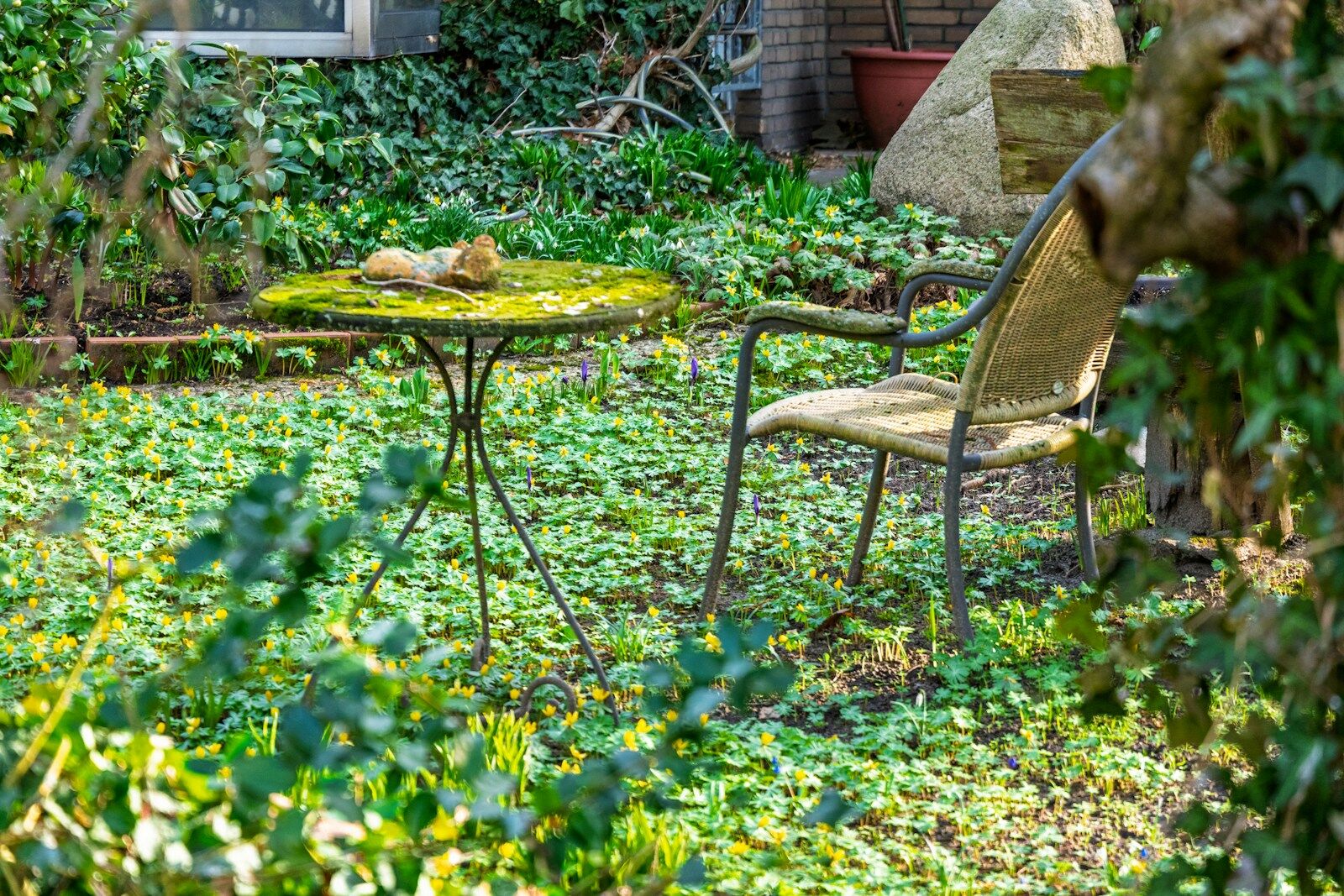
Small backyards come with big expectations. You still want a green, inviting space where kids can play and guests can relax, but you don’t want to spend every weekend mowing, watering, and patching bare spots. The good news is that a compact yard is actually easier to transform than a large one, since you need fewer materials and less time to see real results.
Below are five practical grass ideas that help small backyards stay lush, tidy, and low-maintenance in every season.
1. Choose a Grass Type Built for Small Spaces
Not all grass behaves the same way in a tight yard. Some varieties need constant watering and mowing to stay full, while others handle shade, foot traffic, and heat with far less effort. Before planting anything, think about how much sun your yard actually gets and how the space will be used. A yard shaded by a fence or a neighboring wall needs a different grass than one that bakes in full sun most of the day.
Fine fescue blends and certain hybrid Bermuda varieties are popular picks for smaller lots because they stay dense without needing frequent feeding. Picking the right grass from the start saves you from replanting later, which is one of the biggest time-wasters homeowners run into.
2. Shrink Your Lawn With Defined Borders
One of the simplest ways to make a small backyard look polished is to stop treating the entire space as one big lawn. Instead, use edging, pavers, or a low border of stones to separate the grass from patio areas, garden beds, or a play zone. This does two things at once. It gives the yard a designed, intentional look, and it reduces the actual square footage of grass you need to maintain.
A smaller, well-defined lawn patch is far easier to mow evenly and water without waste. Many homeowners find that once they scale back the grass area, the whole yard suddenly feels bigger, not smaller, because the layout feels organized instead of overgrown.
3. Create a Low-Maintenance Lawn With Grass Alternatives
Not every part of a small yard needs traditional turf to look attractive. In fact, combining grass with low-growing plants like creeping thyme, clover, or dwarf mondo grass can create a more interesting landscape while reducing maintenance. Many homeowners exploring small backyard grass ideas find that this approach works especially well in shaded corners, slopes, or areas where conventional grass struggles to thrive.
Providers such as ForeverLawn have seen growing interest in this type of landscaping across Connecticut, where mature trees and limited outdoor space often make a full lawn difficult to maintain. Blending natural grass with durable ground covers can create a greener, more balanced yard while reducing patchy areas and making better use of every square foot.
4. Water Smarter, Not Longer
A big reason small lawns look stressed or patchy is inconsistent watering. Deep, infrequent watering trains grass roots to grow downward, which makes the lawn more resistant to heat and drought. Watering lightly every day does the opposite and creates shallow roots that dry out fast.
According to the U.S. Environmental Protection Agency, as much as 50 percent of the water used for irrigation is wasted due to evaporation, wind, or runoff caused by inefficient watering. That’s a significant amount of wasted effort and money for something a simple schedule change can fix. A few water-smart habits to build into your routine:
• Water early in the morning before the heat picks up
• Aim for about one inch of water per week, split across two sessions
• Let the top inch of soil dry out between waterings to encourage deeper roots
• Use a rain gauge or a simple tuna can to measure exactly how much water your sprinkler delivers
5. Keep Mowing Height Consistent
It’s tempting to cut grass short so you don’t have to mow as often, but this usually backfires in a small yard. Short grass has shallower roots, dries out faster, and shows bare patches more easily since there’s less lawn to hide imperfections. Keeping your mower blade set a little higher, generally around three inches for most cool-season grasses, helps the lawn shade its own soil, retain moisture, and crowd out weeds naturally.
Mowing on a consistent schedule, rather than waiting until the grass looks overgrown, also keeps the lawn looking sharp without extra effort. A small yard mowed regularly at the right height often looks more put-together than a large lawn that’s inconsistently maintained.
Final Thoughts
A small backyard doesn’t have to mean constant upkeep or a lawn that never quite looks right. Picking the right grass type, defining your space clearly, mixing in ground cover where needed, watering with purpose, and mowing consistently can turn a high-maintenance patch into a yard you actually enjoy spending time in. Small changes, applied consistently, tend to produce the biggest year-round difference.





Leave A Comment