
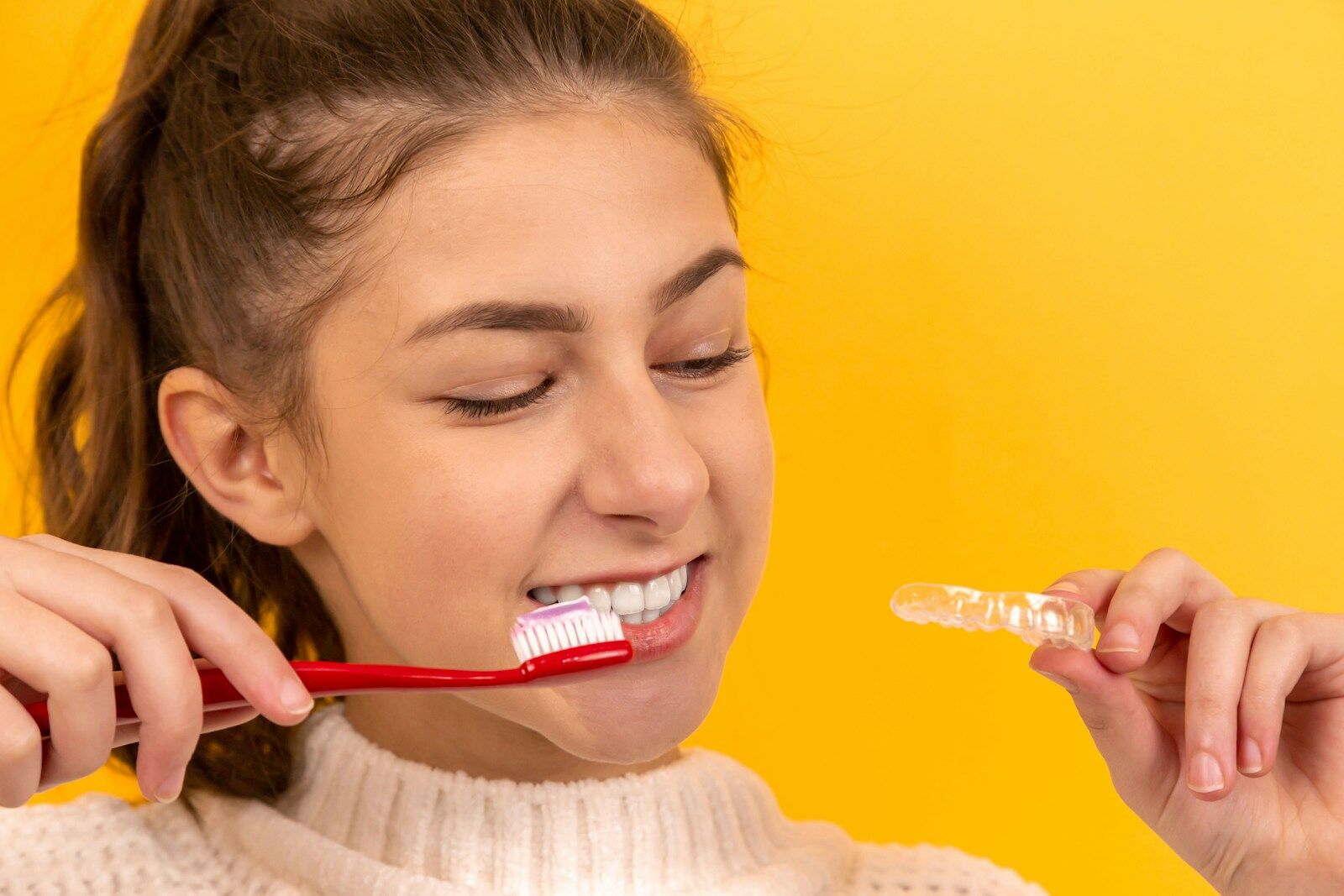
There’s a specific kind of dread that comes with the words “Mom, my tooth hurts” at 8 p.m. on a Sunday. You look inside, see something that might be a shadow or might be a hole, and spend the rest of the night mentally reviewing every gummy snack you’ve handed over in the past six months. By Monday morning you’re calling the dentist, bracing for a filling, and wondering how it got this far without anyone noticing.
The truth is that most of what lands kids in the dental chair for treatment is preventable, and the prevention part is a lot less complicated than the internet makes it sound. It’s a handful of habits, a couple of appointments a year, and knowing what to watch for. Here’s what actually matters, minus the guilt.
Cavities Are Common, Which Is Exactly Why Prevention Works
If your child has already had a cavity, you’re in very large company. According to the Centers for Disease Control and Prevention, half of children aged 6 to 9 have had cavities in their baby or permanent teeth, and 1 in 10 adolescents aged 12 to 19 have at least one untreated cavity.
Those figures aren’t a verdict on anyone’s parenting. They reflect how easy it is for decay to start in small mouths with lots of snacks and imperfect brushing. The encouraging flip side is that tooth decay responds extremely well to simple, consistent prevention.
Start Earlier Than You Think
Many parents assume dental care begins when a child has a full set of teeth. Dentists recommend a first visit by the first birthday, or within six months of the first tooth appearing. That early visit is less about treatment and more about:
- Checking that teeth are coming in normally
- Showing parents how to clean tiny teeth and gums
- Talking through feeding, bottles, and pacifier habits
- Building familiarity so the dentist’s office isn’t scary later
Kids who start early tend to see dental visits as routine rather than as something that happens when there’s a problem.
The Daily Habits That Do Most of the Work
Preventive care is mostly what happens at home. The essentials:
- Brush twice a day with fluoride toothpaste. A rice-sized smear under age 3, a pea-sized amount after that. Parents should brush for younger children and supervise until around age 7 or 8, when kids can manage the technique themselves.
- Floss once teeth touch. Floss picks make this far less of a wrestling match.
- Limit grazing. Frequent snacking, especially on sticky or sugary foods, keeps teeth bathed in acid. Structured snack times are kinder to teeth than all-day access.
- Water between meals. Juice and milk in a bottle at bedtime are a major cause of early decay.
- Make it fun. A timer, a favorite song, or a brushing chart works better than nagging.
Consistency beats perfection. A slightly rushed brush every night is better than a thorough one twice a week.
What Happens at Preventive Visits
Twice-yearly checkups are where small problems get caught before they hurt. A typical visit includes a cleaning to remove plaque and tartar, a fluoride treatment to strengthen enamel, an exam for early decay or alignment issues, and occasional X-rays to see between teeth. Two protective treatments are worth asking about specifically:
- Sealants: a thin coating painted onto the chewing surfaces of back molars, where most childhood cavities start. They can prevent the majority of cavities in those teeth for years.
- Fluoride varnish: a quick application that hardens enamel and can reverse very early decay.
Both take minutes, involve no drilling, and are among the most cost-effective things in dentistry.
Keeping Preventive Care Affordable
Cost is the reason many families stretch checkups from six months to a year or longer, and that’s usually when small issues turn into fillings. If your family doesn’t have dental insurance, or your plan has waiting periods and annual caps that make it feel not worth using, it’s worth looking at dental savings plans as an alternative.
These work differently from insurance: you pay an annual membership fee and receive discounted rates, often 10 to 60 percent, on cleanings, sealants, fluoride, X-rays, and other treatment at participating dentists, with no deductibles, no waiting periods, and no annual maximum. DentalPlans.com lets you compare plans by ZIP code and see which local pediatric and family dentists accept them, so you can check whether your child’s current dentist is in a network before signing up.
For a family with two or three kids needing checkups, sealants, and the occasional filling, the savings often cover the membership cost within the first couple of visits. It’s not the right fit for everyone, but for families paying out of pocket, it removes the main reason preventive appointments get postponed.
Signs Worth a Call to the Dentist
Between visits, keep an eye out for:
- White spots or brown patches on teeth
- Complaints of pain when eating cold, hot, or sweet foods
- Bad breath that doesn’t improve with brushing
- Swollen or bleeding gums
- A tooth that looks chipped, dark, or loose outside the normal timeline
- Thumb-sucking or pacifier use continuing past age 3 or 4
None of these are emergencies on their own, but all of them are easier to address early.
Modelling the Habit
Kids copy what they see. Brushing alongside your child, keeping your own checkups, and talking about the dentist matter-of-factly rather than nervously all shape how they’ll treat their teeth for the rest of their lives.
A child who watches a parent floss without complaint is far more likely to floss at sixteen than one who only hears about it.
Conclusion
Preventive dental care for children comes down to a few reliable things: an early first visit, twice-daily brushing with fluoride toothpaste and parental help, sensible snacking, regular checkups with sealants and fluoride, and a parent who notices small changes before they become Sunday-night emergencies.
With half of young children experiencing cavities, some decay is common, but most of it is avoidable, and keeping care affordable so appointments don’t get pushed back is a big part of that. Get the routine in place now, and the phrase “my tooth hurts” becomes something you hear rarely, and handle calmly when you do.




Leave A Comment