
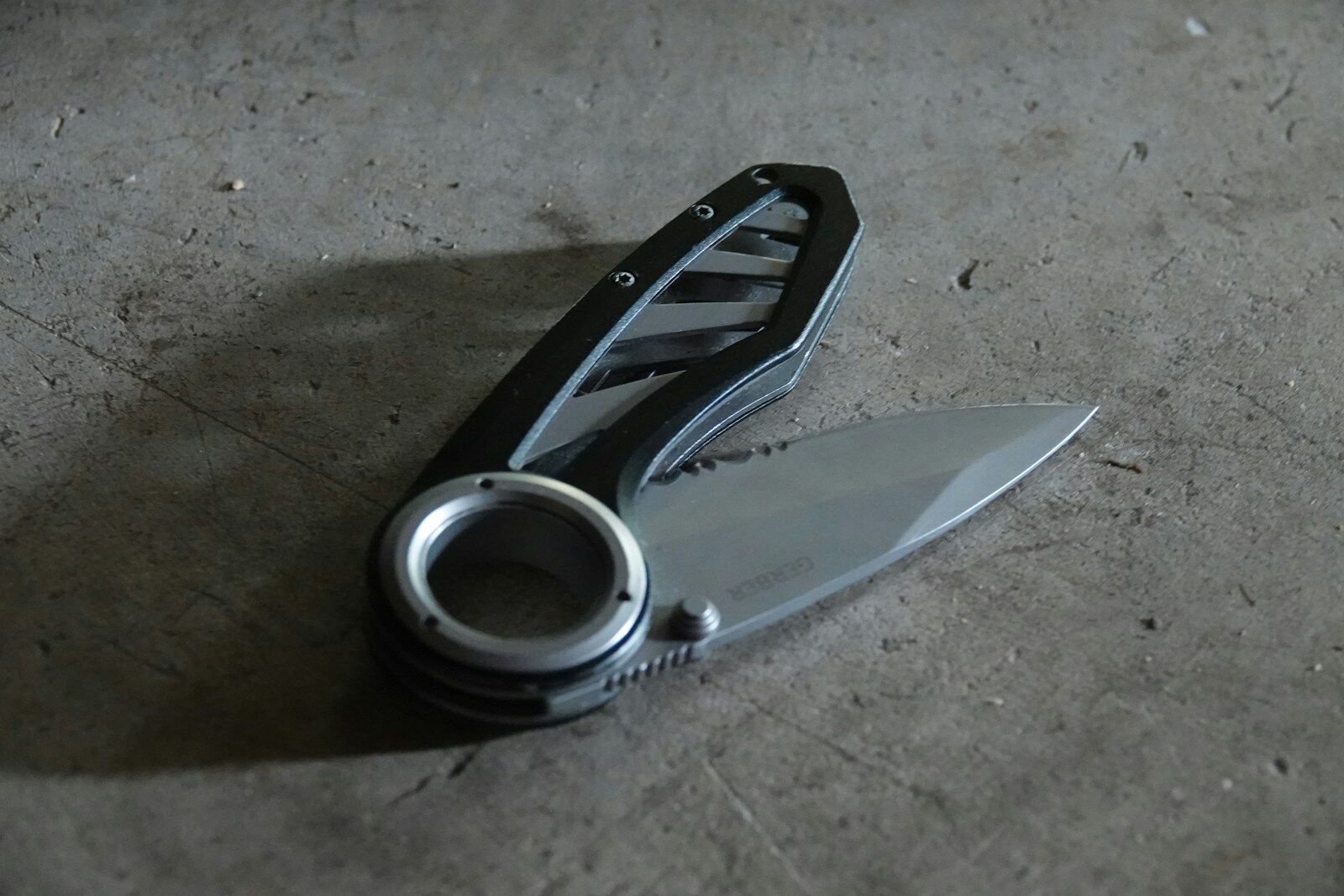
Picture a family camping weekend somewhere like the Peak District: the tent is half up, the kids are hungry, the kindling is damp, and the paracord holding the tarp has knotted itself into something no fingernail will undo. Everyone reaches for the same thing. If the only blade in the bag is a wobbly folding knife with a stiff hinge and a tip that’s already snapped once, the whole evening slows to a crawl.
A good fixed blade knife solves that kind of small problem quietly, again and again, which is exactly why experienced campers, hikers, and anglers treat it as a core piece of kit rather than an afterthought. If you’ve been getting by with a multitool or a pocket knife, here’s why it might be time to upgrade, and what to look for when you do.
More of Us Are Heading Outdoors
Outdoor time has become a mainstream habit rather than a niche hobby. According to the Outdoor Industry Association, a record 183.2 million Americans, 59% of everyone aged six and older, took part in outdoor recreation in 2025, nearly 30 million more than in 2019.
That means a lot of people building fires, preparing food, and setting up shelters without much experience, and a reliable blade is one of the simplest ways to make those tasks safer and easier.
What Makes a Fixed Blade Different
A fixed blade knife has no hinge, no lock, and no moving parts. The blade and handle are one continuous piece, often with the steel running the full length of the handle in what’s called a full-tang construction. That simplicity is the whole point:
- Strength. No pivot means no weak spot. You can baton through kindling or pry a stubborn tent stake without worrying about the lock failing.
- Reliability. Nothing to jam with grit, freeze in cold weather, or loosen over time.
- Safety. A fixed blade can’t close on your fingers, which matters when hands are wet, cold, or tired.
- Easy cleaning. No crevices for fish scales, sap, or mud to hide in.
- Speed. It comes out of the sheath ready to use, one-handed, every time.
Folding knives have their place for everyday carry, but around a campsite the fixed blade does the heavy lifting.
The Jobs It Actually Does
It’s easy to imagine dramatic survival scenarios, but the real value of a camp knife is in the ordinary tasks that fill an outdoor day:
- Splitting kindling and shaving feather sticks to get a fire going
- Preparing food, from slicing vegetables to cleaning a fish
- Cutting cordage, webbing, and tape for shelters and repairs
- Carving tent pegs, pot hangers, or a marshmallow stick for the kids
- Opening stubborn packaging and freeing snagged fishing line
- Handling first aid tasks such as cutting bandages or clothing
A knife that does all of these well without complaint earns its place in the pack very quickly.
Choosing One You Can Trust
Not every fixed blade is built for the outdoors, and a few features separate a knife you’ll rely on for years from one you’ll leave in a drawer. When browsing fixed blade knives, pay attention to blade length, steel type, and how the handle feels in your hand rather than how aggressive it looks.
CRKT has built a reputation for working with independent knife designers to produce practical fixed blades at sensible prices, and the range covers everything from compact neck knives for hikers to sturdier camp and bushcraft designs, which makes it a useful place to compare what different styles are actually meant for.
A few guidelines:
- Blade length: 3.5 to 5 inches handles most camp tasks without becoming unwieldy
- Steel: stainless resists rust with less care; high-carbon holds a sharper edge but needs oiling
- Grind: a flat or Scandi grind is easy to sharpen in the field and excellent for wood
- Handle: textured, contoured grips in G10, Micarta, or rubberised materials stay secure when wet
- Sheath: a well-fitted sheath that retains the knife securely is as important as the blade itself
Choosing the right fixed blade comes down to matching the knife’s size, materials, grip, and sheath to the tasks you expect it to handle outdoors.
Caring for It So It Lasts
A fixed blade is low-maintenance, but not no-maintenance:
- Wipe it clean and dry after every use, especially after food prep or saltwater
- Touch up the edge regularly with a small field sharpener rather than waiting until it’s dull
- Apply a light coat of oil to carbon steel blades before storing
- Check the sheath for grit, which can scratch the blade over time
- Store it out of the sheath in humid conditions to prevent moisture buildup
Treated this way, a quality knife can outlast almost everything else in your kit.
Safety Around the Campsite
A sharp knife is a safe knife, but a few habits keep everyone protected, especially with children about:
- Cut away from your body and keep your free hand behind the blade
- Sheath the knife whenever it’s not in your hand
- Teach older children basic knife safety under close supervision
- Never hand a knife to someone; set it down and let them pick it up
- Keep it stored out of reach of younger kids when not in use
With the right habits and careful handling, a camping knife can be a practical tool while keeping your campsite safe for everyone.
Conclusion
A reliable fixed blade knife belongs in your outdoor gear because it turns a dozen small frustrations into quick, safe jobs, from lighting the fire to fixing the tarp to prepping dinner. Its strength, simplicity, and dependability are exactly what a campsite demands, and with more people than ever spending time outdoors, having one solid tool you can trust matters more than a bag full of gadgets.
Choose a knife with a sensible blade length, a comfortable grip, and a secure sheath, look after it with a little routine care, and it will be one of the last things you’d ever leave at home.


Leave A Comment