

Parenting is challenging enough on its own, but adding the responsibility of caring for elderly parents or relatives can sometimes feel overwhelming. Welcome to the “sandwich generation,” where you’re managing the needs of both children and ageing parents simultaneously. It’s a demanding role, but with the right mindset, tools, and resources, you can balance these responsibilities while ensuring everyone—yourself included—stays happy and healthy.
This blog is here to guide you with practical advice and supportive tips to help you promote your loved ones’ independence and reduce the weight on your shoulders.
Why Balance Matters
Caring for others is an act of love—but it can also take its toll. Burnout becomes a real risk when you’re constantly juggling school runs and doctor appointments, bedtime stories and medication reminders. Maintaining balance isn’t just about meeting everyone’s needs. It’s about looking after your own well-being too.
One of the best ways to ease your dual responsibilities is by encouraging your elderly loved ones to maintain their independence wherever possible. Promoting their autonomy reduces your daily load while improving their confidence and quality of life.
Tips for Promoting Independence in elderly parents
Encouraging independence doesn’t mean leaving them to manage on their own. Small changes and thoughtful approaches can empower both you and your elderly relatives. Here’s how:
1. Introduce Mobility Aids
If mobility is a challenge for your elderly loved one, equipment such as an indoor walking frame or rollators can make a significant difference. These tools provide physical support and grant them a sense of freedom. For example, a rollator allows them to safely venture outside—a vital step for staying active and social.
2. Rethink Transportation
Encourage them to use public transport or community shuttle services if available. Many local councils offer transport schemes tailored to the elderly. Alternatively, look into taxi services that specialise in assisting ageing passengers, making it easier for them to attend appointments or social activities without relying on family members.
If they’re open to it, teaching them how to use apps like Uber can provide the freedom to arrange trips on their schedule.
3. Connect with Local Support Groups
Support groups can be an incredible resource for both elderly loved ones and caregivers. Many communities have activity groups or clubs focused on hobbies, fitness, or socialising, offering a safe space for connection. For example:
- A local knit-and-natter group for creative relaxation
- Senior exercise classes to improve physical health
- Dementia-friendly cafes to meet others, share experiences, and build bonds
These groups provide emotional and social support that goes a long way in reducing feelings of loneliness.
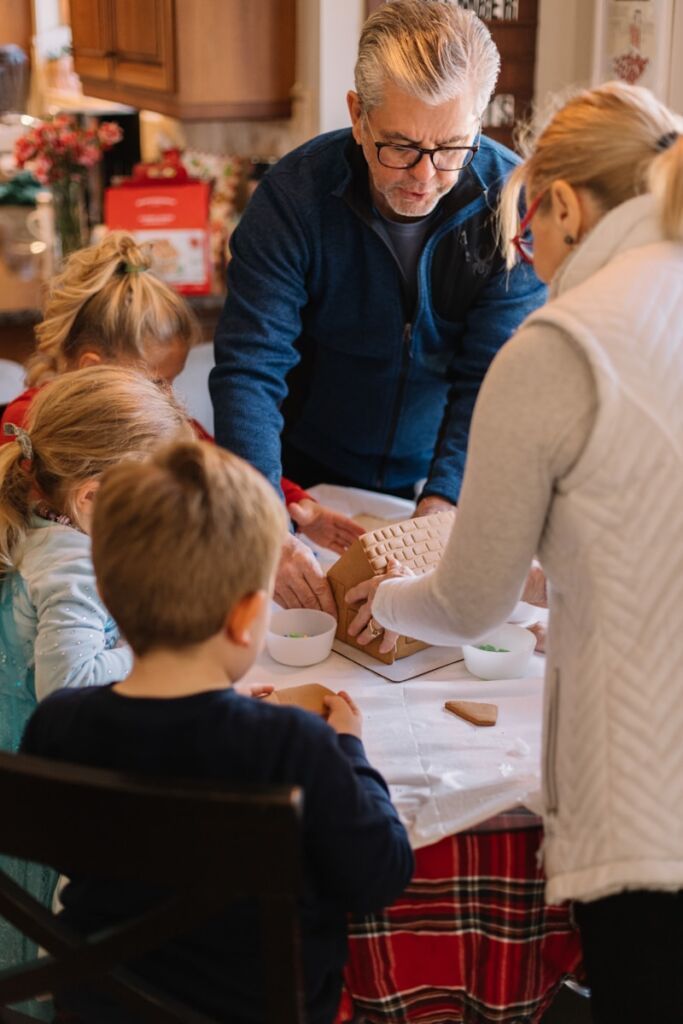
4. Make Your Home Senior-Friendly
Grandparent proof your house. Simple adjustments around the house can create a more accessible and independent environment. Consider options like:
- Grab bars in places like bathrooms or staircases to improve safety.
- Motion-sensor lights to help them move around confidently in the dark.
- Rearranged cupboards, where everyday items are within easy reach.
These small tweaks can help prevent accidents and enable them to perform daily tasks more independently.
5. Lean on Modern Technology
Technology has the power to be a great equaliser. Encourage your elderly parents to use tech tools designed for their needs. Some examples include:
- Medication reminders like pill organiser apps to ensure they take their prescriptions on time.
- Video calling tools to help them stay connected with friends and extended family.
- Monitoring devices, such as smartwatches, which can track their health (and alert you in case of emergencies).
It may take some time to familiarise them with these gadgets, but once they understand how they work, they will feel more empowered.
6. Share the Load
Remember, you can’t do it all. Reach out to extended family, neighbours, or friends who can help when things feel overwhelming. Many areas also have caregiver networks or services that provide in-home support for elderly individuals, helping with medical needs or housekeeping duties.
If your children are old enough, you could even look for small ways for them to get involved, like sharing a story or playing a game with their grandparents. This can foster a sense of togetherness without adding undue stress to your day.
Setting Boundaries and Prioritising Yourself
Balancing parenting and caring for elderly parents won’t work unless you prioritise self-care too. You can’t pour from an empty cup, as the saying goes, so take these steps to ensure your mental and physical well-being:
- Set boundaries. Learn to say no when your plate is full. You don’t need to solve every problem alone.
- Make time for yourself. Even 10 minutes with a book or a quick walk can help you recharge.
- Join caregiver groups. You’ll find people in similar situations who can empathise, inspire, and even share tried-and-tested life hacks.
Be Kind to Yourself
It’s okay if everything doesn’t go perfectly every day. Your best is enough, and recognising the importance of progress over perfection will help ease guilt or self-doubt. Balancing both parenting and caregiving is tough, but just know you’re doing something truly significant for your family.
Shared Joy and Support
Creating harmony between two caregiving roles may require patience and creativity, but it’s absolutely doable. By giving your elderly loved ones opportunities to take charge of their lives, you not only improve their well-being but also allow yourself space to breathe and build better connections with your children.
If you’re feeling overwhelmed and need a new perspective or additional resources, remember there are communities and professionals to guide you. You’re never truly alone in this.
Small changes, shared responsibilities, and local resources can help spread the weight evenly. After all, the reward of love and care—whether given to a child or an ageing parent—is immeasurable.




Leave A Comment