
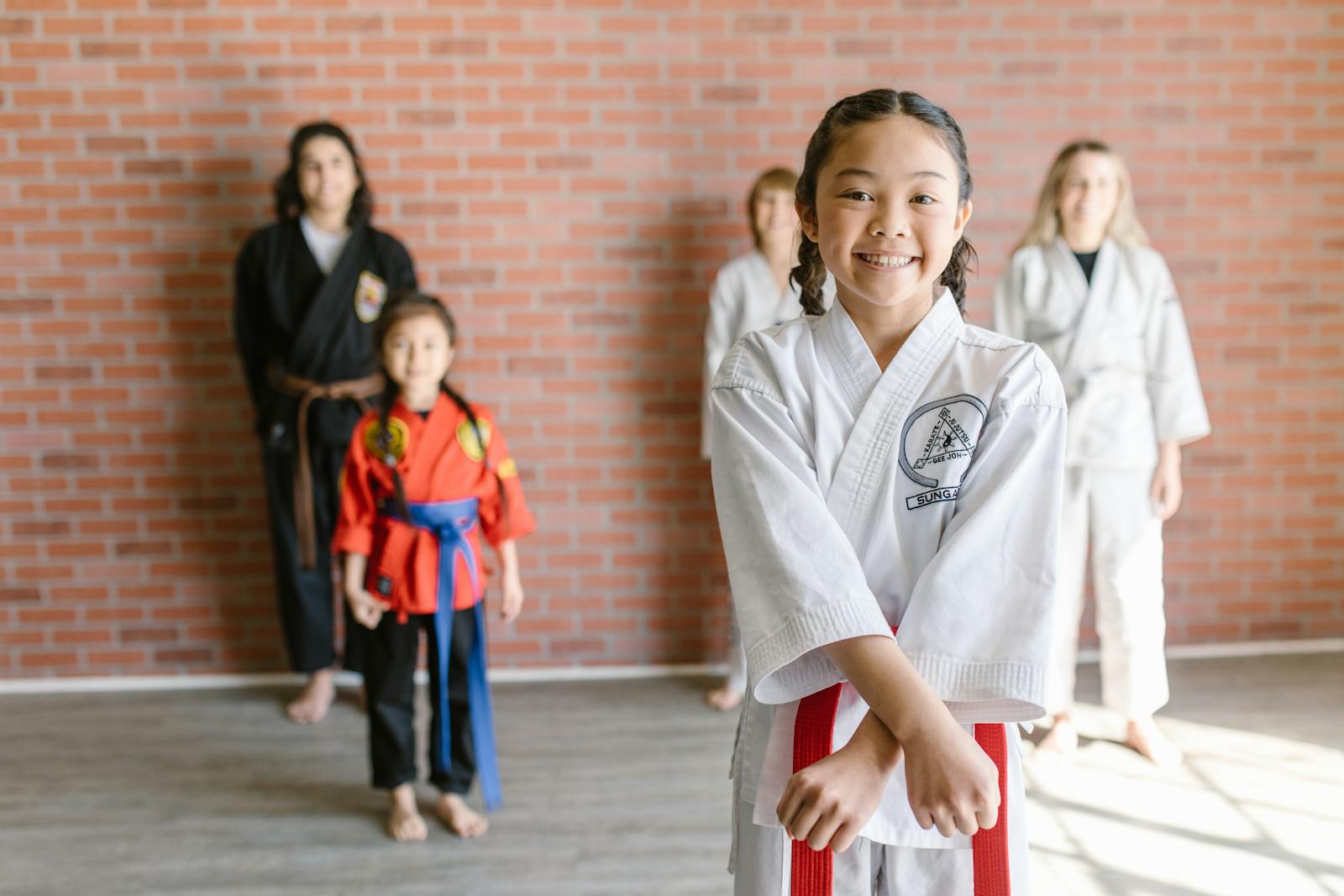
Today, it’s easy to overlook the value of teaching young people essential life skills outside the classroom. However, one powerful way to strengthen their bodies and minds is through self-defence training.
Learning how to defend themselves doesn’t just give children a physical edge. Instead, it also fosters confidence, discipline, and a sense of responsibility. These skills become valuable tools that stay with them for life. They shape their character and help them handle challenges more effectively.
In this article, we will explore how learning these skills can empower young people. So, are you ready to begin? Let’s get started on this journey together!
1. Building Confidence and Self-Esteem
One of the most noticeable benefits of self-defence training is its boost to a young person’s confidence. When kids know how to protect themselves, they feel more secure, both mentally and physically. This confidence doesn’t stem from aggression or power. But from the knowledge that they can handle difficult situations calmly and responsibly.
By mastering new techniques and progressing through various skill levels, kids feel a sense of achievement. Whether earning their next belt in karate or mastering a move they’ve been working on, each success boosts their self-esteem. It shows them that hard work and perseverance lead to success. This is a lesson they’ll carry into other areas of life, including school and social situations.
So, if you’re looking for a great local option, search for karate elk grove for top-notch training emphasizing personal development. This way, you’ll find sessions that teach young students physical techniques with the power to believe in themselves and their abilities.
2. Enhancing Physical and Mental Discipline
Self-defence isn’t just about throwing punches or blocking kicks. In fact, one of the core aspects of martial arts like karate is the development of physical and mental discipline. This is crucial for young people as they grow. It helps them stay focused, set goals, and work consistently to achieve them.
Physical Benefits:
- Strength and Flexibility: Regular practice improves muscle tone and overall body strength. Martial arts training also increases flexibility, making it easier for kids to stay active and avoid injuries.
- Balance and Coordination: Self-defence techniques require a high level of balance and coordination. Children naturally improve these skills as they practice, which benefits them in all physical activities.
Mental Benefits:
- Focus and Concentration: Martial arts help kids sharpen their focus by requiring them to pay close attention to details. Whether they’re following instructions or executing a move, it helps. This mental training often translates to better concentration in school.
- Goal-Setting: Self-defence classes encourage children to set specific goals. This could include mastering a new technique or advancing to a higher belt level. This goal-oriented mindset teaches them that progress comes from patience and hard work.
Learning how to centre one’s attention is invaluable in an era of constant distractions. The discipline developed through self-defence training gives children a strong foundation to apply to all aspects of their lives.
3. Cultivating Respect and Responsibility
Respect and responsibility are two key principles taught in all forms of martial arts. For young students, these values are not just about obeying instructors or following rules in class. Instead, they extend to how they treat others in their everyday lives.
Respect:
- For Teachers and Mentors: In self-defence training, respect for instructors is paramount. Children learn to listen attentively, follow guidance, and understand the importance of authority. These skills naturally carry over into other relationships, such as those with parents, teachers, and peers.
- For Peers: Martial arts foster a sense of community and teamwork. Kids learn to respect their training partners by practicing safely and with care. This mutual respect builds trust and encourages a sense of camaraderie.
Responsibility:
- Self-Control: One of the most important lessons in self-defence is understanding when and how to use one’s skills. Children are taught that violence is always a last resort. They learn to take responsibility for their actions. This focus on self-control helps them make thoughtful decisions in heated situations, further preventing unnecessary conflicts.
- Accountability: Progress in self-defence training requires personal accountability. If a student skips practice or doesn’t put in the effort, they won’t improve. This teaches children the importance of responsibility for their progress and actions.
Wrapping It Up All Together!
Self-defence training offers young minds a unique blend of physical fitness, mental toughness, and emotional strength. Whether it’s mastering martial arts or engaging in karate, these skills work wonders.
So, if you’re considering signing your child up for classes, this training is the best. It can offer the structure and support they need to succeed.





Leave A Comment