
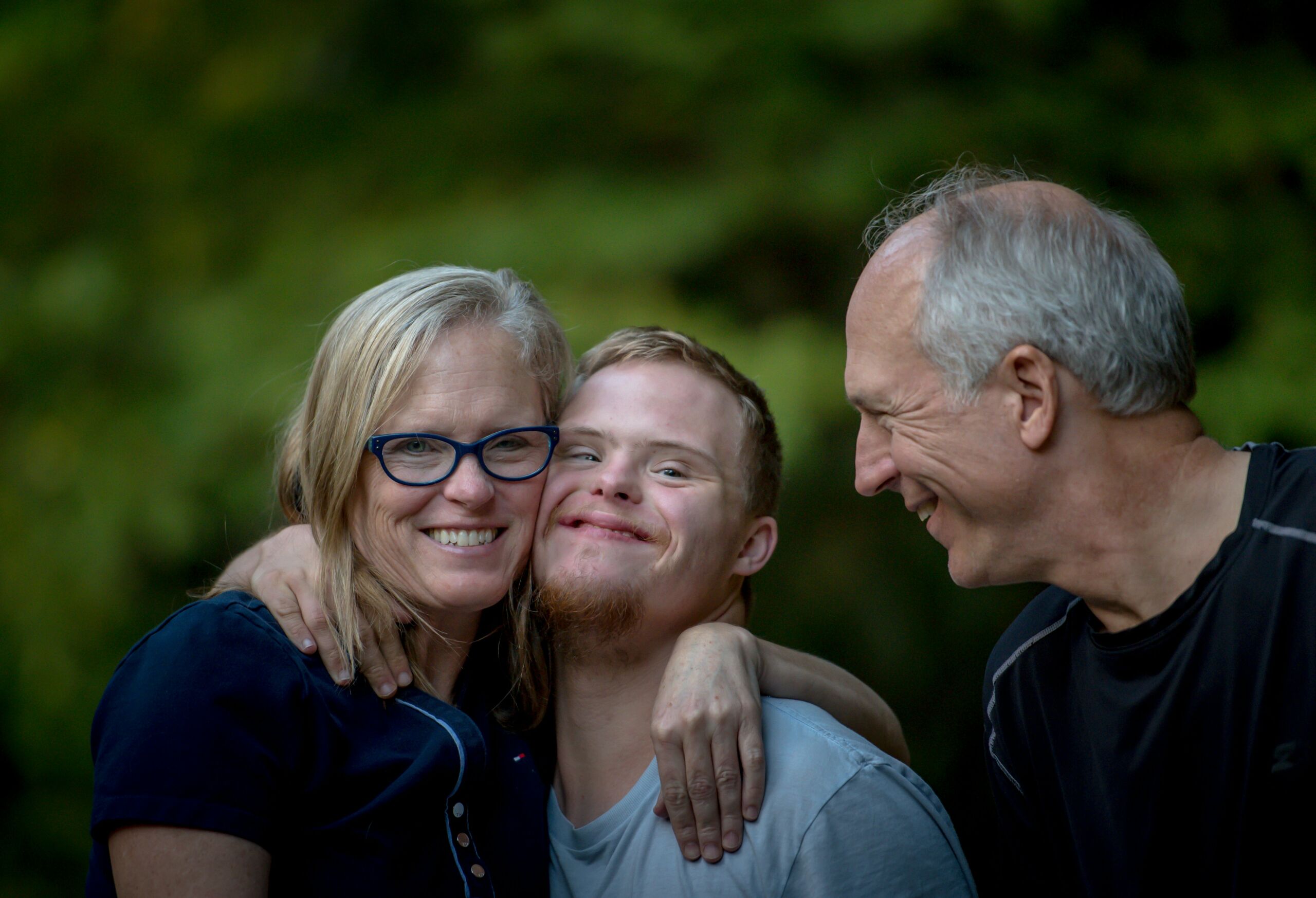
Caring for a family member with a medical condition requires a balance of practical assistance, emotional support, and good communication. In this comprehensive guide, we will explore effective care strategies to help you support your loved one efficiently and ensure they lead a higher quality of life.
Educate Yourself
Learning about your family member’s condition is the first step toward effective caregiving. Research their diagnosis and use reliable sources like government health websites and nonprofit organizations to learn about their specific medical condition.
Being knowledgeable about their diagnosis, including its symptoms, treatment, prognosis, and the potential need for long-term care for daily living support, can help you make informed decisions, anticipate their needs, and understand their experiences.
Practice Effective Communication
Open and honest communication is crucial for managing care and respecting your loved one’s independence. Listen actively and allow your family member to talk about their feelings and concerns without judgment. Validate their experiences with empathy, even if you don’t fully understand their struggles.
Avoid toxic positivity and refrain from dismissing their pain or fears. Instead, acknowledge the difficulty of their situation and constantly remind them of their bravery and resilience. Moreover, if your loved one is unable to communicate with the medical staff, take notes during appointments and ask questions to clarify instructions.
Provide Practical and Emotional Support
A medical condition can affect a person’s emotional, physical, and mental well-being, so providing them with the necessary emotional and practical support is vital for helping them cope. Help your loved one stay socially connected with friends and family, and encourage hobbies or activities that they can still enjoy.
Build a network of trusted family, friends, and neighbors who can lend a hand. To lighten your load, research local resources such as meal delivery programs, community transport, or adult day care centers. Offer specific help with household chores that are too difficult for them to manage. For personal care, be gentle and respectful, and clearly explain what you’re doing.
Prioritize Self-Care and Prevent Burnout
Caregiving can be emotionally and physically draining, so it’s essential to look after your own health and well-being. Set realistic goals and boundaries, and accept that you can’t do everything alone. Remember, stress develops when your responsibilities outweigh your resources.
Take regular breaks, as taking time away is not selfish; it’s to prevent caregiver burnout. If you don’t have any trusted individuals nearby to care for your loved one, consider respite care services. This could involve an in-home aide, an adult day program, or a short-term stay at an assisted living facility.
Ask friends and family for specific help, like grocery shopping or cleaning the house, to take some burden off your shoulders. Make a list of tasks and let others choose how they want to help.
Join a caregiver support group, either in person or online, to connect with people who understand your situation. Sharing your worries with other caregivers who understand your struggles can make the challenges more manageable.
Endnote
Taking care of a loved one with a serious medical condition can be overwhelming and stressful. Remember these essential tips and don’t hesitate to seek outside help when necessary.
Image Credit: Photo by Nathan Anderson on Unsplash






Leave A Comment