
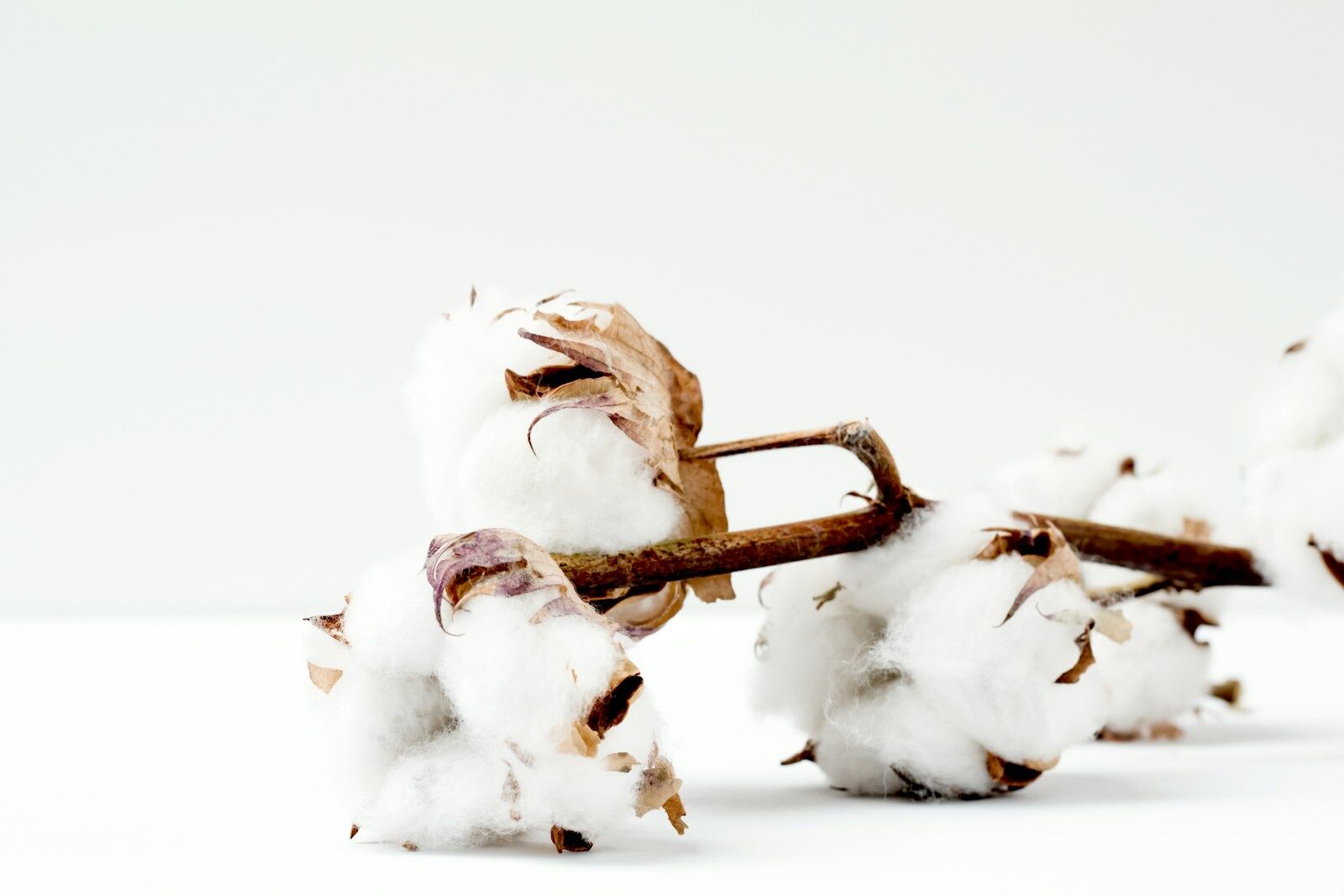
Organic cotton pajamas seem like a great choice for your kids, but not all products labeled “organic” meet the same standards. The certifications on the label tell you whether the pajamas are truly safe, free from harmful chemicals, and made with better practices for the environment. However, many parents don’t know which certifications actually matter or what they mean.
To find the safest organic cotton pajamas for your children, you need to look for specific eco-certifications that verify the fabric is grown without toxic pesticides, processed without dangerous chemicals, and safe for sensitive skin. These certifications come from independent organizations that test and verify each step of production. They help you avoid products that claim to be organic but don’t meet strict safety standards.
This guide breaks down the most important certifications you should look for before you buy organic cotton pajamas for your kids. You’ll learn what each certification means, what it tests for, and why it matters for your family’s health and the planet.
This is a contributed article.
Made Safe Certification
Made Safe Certification stands as one of the most thorough safety certifications available for children’s products. This nonprofit program tests products for harmful chemicals that could affect human health and the environment. The certification process checks for over 6,500 known toxic chemicals.
Products that earn this label must meet strict safety standards. For example, if you explore organic cotton kids’ pajamas here, you might find items with this certification. The program screens for hormone disruptors, carcinogens, and developmental toxins that could harm growing bodies.
Made Safe differs from other certifications because it looks at the complete product. The organization examines every ingredient and material used. This includes dyes, finishes, and processing chemicals that touch the fabric.
Parents can trust this certification to identify safer sleepwear options. The label means a product contains no known harmful chemicals. However, you should still combine this certification with others like GOTS for complete assurance about organic farming practices and environmental standards.
GOTS (Global Organic Textile Standard)
GOTS stands for Global Organic Textile Standard. It represents the world’s most recognized certification for organic textiles. This standard covers the entire process from farm to finished product.
The certification requires that textiles contain verified organic fiber content. For a product to earn the GOTS label, it must meet strict environmental and social criteria throughout the supply chain. This includes how farmers grow the cotton, how manufacturers process it, and how companies dye and label the final product.
GOTS goes beyond just organic fiber content. The standard also addresses worker safety, fair wages, and responsible chemical use in production. You can trust that GOTS-certified pajamas meet high standards for both environmental protection and social responsibility.
This certification provides credible assurance that the organic cotton pajamas you buy for your kids are genuinely organic. The standard helps you avoid products that make false claims about their organic content.
OEKO-TEX Standard 100
OEKO-TEX Standard 100 checks textiles for over 100 harmful substances. This certification tests every part of a product, from the fabric and thread to buttons and zippers.
The label means that independent labs have tested the pajamas for toxic chemicals. Products must pass strict safety standards to earn this certification. However, OEKO-TEX focuses only on chemical safety, not on environmental or social issues.
You can trust this label to identify pajamas free from dangerous substances that could touch your child’s skin. The certification covers items like formaldehyde, pesticides, heavy metals, and certain dyes.
OEKO-TEX Standard 100 offers solid protection against harmful chemicals in textiles. Yet, it doesn’t guarantee that the cotton was grown without pesticides or that workers received fair treatment. Therefore, you may want to look for additional certifications that cover these other areas.
This label appears on products worldwide and provides peace of mind about chemical safety for your child.
Bluesign Certification
Bluesign certification focuses on safe chemical use and resource efficiency throughout textile production. This system evaluates the entire supply chain, from raw materials to finished products. The goal is to reduce environmental harm and protect workers in textile factories.
The certification requires manufacturers to meet strict standards for chemical safety. Bluesign approves only chemicals that pose minimal risk to human health and the environment. For organic cotton pajamas, this means your child’s sleepwear was made without harmful dyes or finishing treatments.
Bluesign also addresses water consumption, energy use, and air emissions at production facilities. Factories must demonstrate responsible resource management to earn approval. This certification complements organic cotton’s benefits by verifying the fabric went through clean, safe processing.
You can trust that bluesign-certified pajamas underwent rigorous testing at multiple production stages. The system tracks materials from factory input to final product output. This transparency helps you make informed choices about the clothes your children wear to bed each night.
Certifications for Non-toxic Dyes
The dyes used in children’s pajamas matter just as much as the fabric itself. Many conventional dyes contain harmful chemicals that can irritate your child’s skin or release toxins. Several certifications help you identify pajamas made with safe, non-toxic dyes.
OEKO-TEX Standard 100 tests textiles for harmful substances, including dangerous dyes and chemical residues. This certification means the fabric passed strict safety tests from start to finish. Every component, from the thread to the final product, must meet the safety standards.
GOTS certification also addresses dye safety. It bans toxic dyes and requires at least 70% organic fibers in certified textiles. The standard covers the entire production process and promotes cleaner manufacturing methods.
Some brands may claim they use “low-impact” or “eco-friendly” dyes without any third-party verification. However, these terms mean little without an actual certification. Look for the specific labels mentioned above to verify that your child’s pajamas contain genuinely safe dyes.
Conclusion
You now understand which certifications matter most for organic cotton pajamas. Look for GOTS certification first, as it covers both organic standards and safe processing. Additional certifications like OEKO-TEX provide extra assurance about harmful substances. Choose pajamas with these labels to protect your child’s health and support better practices in the textile industry.






Leave A Comment