
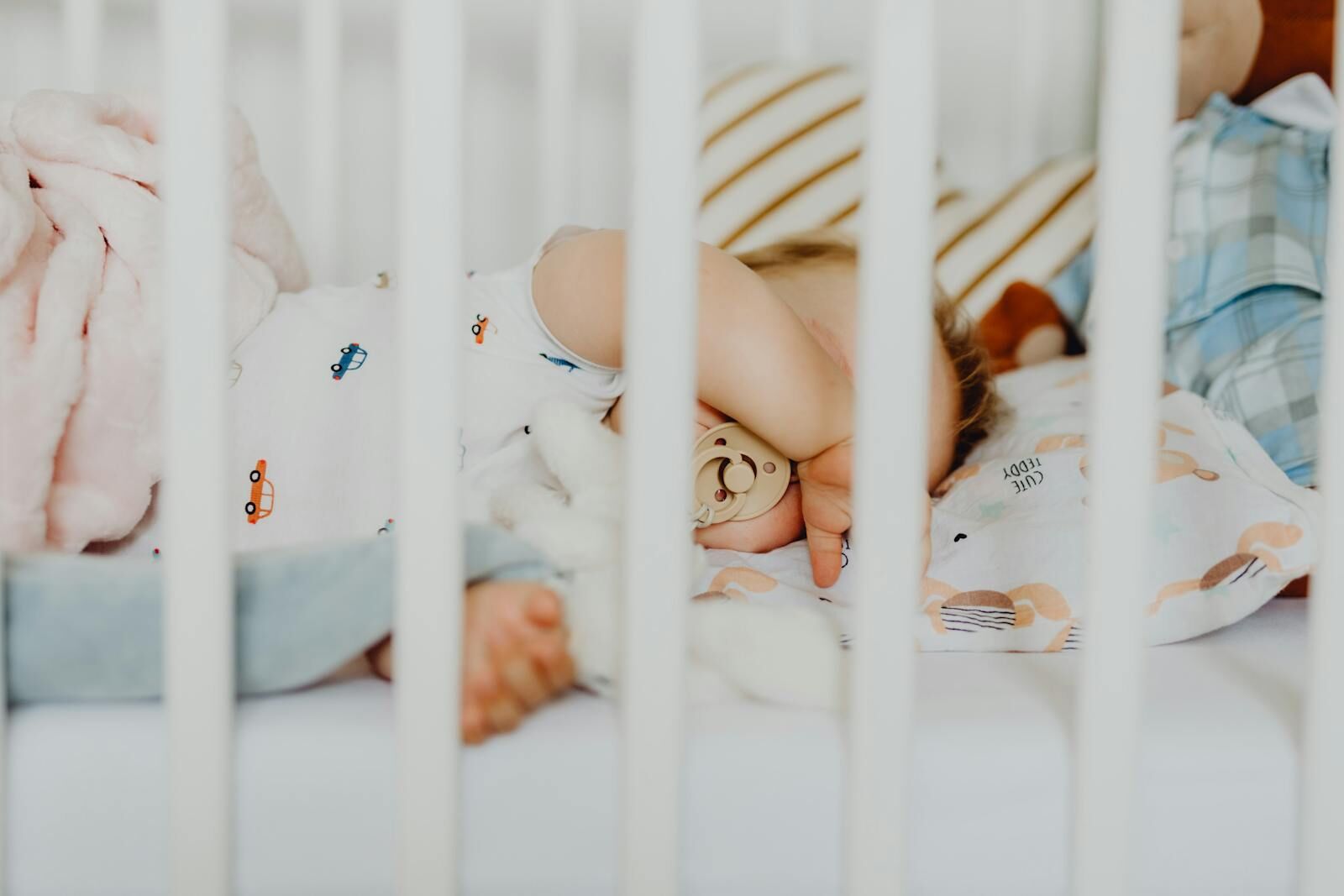
If you’ve ever watched a sleepy toddler clutch their soft blanket or snuggle a worn plush toy as their eyes begin to close, you’ve witnessed the quiet power of comfort objects—often lovingly called loveys. These small treasures become a source of emotional security, marking the transition from wakefulness to the peaceful world of dreams. But loveys aren’t just adorable accessories; they play a significant role in helping children develop healthy sleep habits and emotional resilience.
What Exactly Is a Lovey?
A lovey is any small, cuddly item—typically a soft blanket, stuffed animal, or combination of both—that offers comfort and reassurance to a baby or young child. Whether it’s a bunny with silky ears or a mini blanket with a plush head attached, loveys serve as transitional objects that bridge the gap between a parent’s comforting presence and independent sleep. Most children begin showing attachment to a lovey between 6 and 12 months, right around when they start developing object permanence. This emotional bond gives them a tangible sense of safety even when mom or dad leaves the room.
Why Loveys Help Bedtime Go More Smoothly
A child’s bedtime signals separation from their caregivers—a source of stress for many toddlers and infants. Loveys offer predictability and comfort during that transition.
Here’s how they help promote calmer, more consistent bedtime routines:
- Emotional security: A lovey’s familiar texture and presence remind children they’re safe, easing nighttime anxiety and reducing bedtime resistance.
- Independence and routine: Having a specific “sleep companion” helps toddlers associate the object with winding down, creating a consistent ritual that cues their body to rest.
- Reduced separation anxiety: The connection to their lovey acts as a stand-in for parental comfort, making solo sleep less intimidating.
- Better self-soothing skills: When a child wakes during the night, their lovey often helps them settle back down without external intervention.
Sleep experts widely agree that children who form healthy attachments to comfort items tend to fall asleep faster and experience fewer nighttime disturbances.
Choosing the Right Lovey for Your Child
Picking the perfect lovey is partly science and partly heart. The goal is to find something soft, safe, and easy for little hands to hold. Parents often look for loveys made from breathable fabrics that can handle frequent washing—because let’s be honest, loveys go everywhere.
When choosing a lovey, consider the following:
- Material: Opt for lightweight, hypoallergenic fabrics like organic cotton or bamboo blends. These are gentle on sensitive skin and reduce overheating.
- Size: A small, portable size (around the size of a sheet of paper) works best for bedtime and travel alike.
- Washability: You’ll want something easy to clean and fast to dry after inevitable spills or daily adventures.
- Design: Simple features—without buttons or detachable parts—are safest for younger toddlers and babies.
Some families even buy two identical loveys so one can stand in during washing days or emergencies. This prevents bedtime meltdowns when the favorite one temporarily “disappears.”
How to Introduce a Lovey
If you’re wondering how to help your child attach to a lovey, consistency is key.
Here are some gentle steps:
- Start early but safely: Around 6 months is ideal, but always ensure the lovey is lightweight and breathable before placing it in the crib.
- Include the lovey in bedtime rituals: Let your child hold it during storytime or lullabies to build a positive association.
- Use it for comfort transitions: Have the lovey present during naps or calm moments, not just at bedtime, so it becomes a trusted constant.
- Model affection: Show your child how to cuddle or talk to their lovey—children imitate the emotional warmth they see from you.
Before long, your little one will start instinctively reaching for their lovey when tired or seeking comfort.
Beyond Sleep: The Emotional Value of Loveys
Loveys do more than aid sleep—they help children navigate everyday emotions. These objects often remain treasured well past toddlerhood, acting as silent companions during daycare drop-offs, doctor visits, or family trips. Psychologists call them transitional objects because they serve as stepping stones between dependence and emotional independence.
In this way, a lovey is more than fabric and fluff—it’s a child’s first symbol of security and self-soothing. For many parents, watching their child form that attachment is a milestone that marks growth and emotional maturity.
To Improve Bedtime Routine Is A Comfort That Lasts
Even though children eventually outgrow their loveys, the emotional foundation these early attachments provide can last a lifetime. They teach comfort through connection, building emotional resilience that helps children feel confident and secure in their world. That’s why investing in a quality, well-made lovey is about more than helping your child sleep tonight—it’s about nurturing emotional health that will serve them for years. Whether you discover a soft plush friend through a trusted online shop, a beloved family gift, or your favorite baby boutique, the right lovey can become an irreplaceable part of your child’s daily routine.
For families seeking heirloom-quality comfort objects, lovey blankets are beautifully crafted examples of how something simple can carry deep significance. Each piece offers that perfect blend of softness and security that parents and children love.
So tonight, as your little one curls up with their special blanket or stuffed companion, remember: that lovey isn’t just helping them sleep—it’s helping them grow.


Leave A Comment