
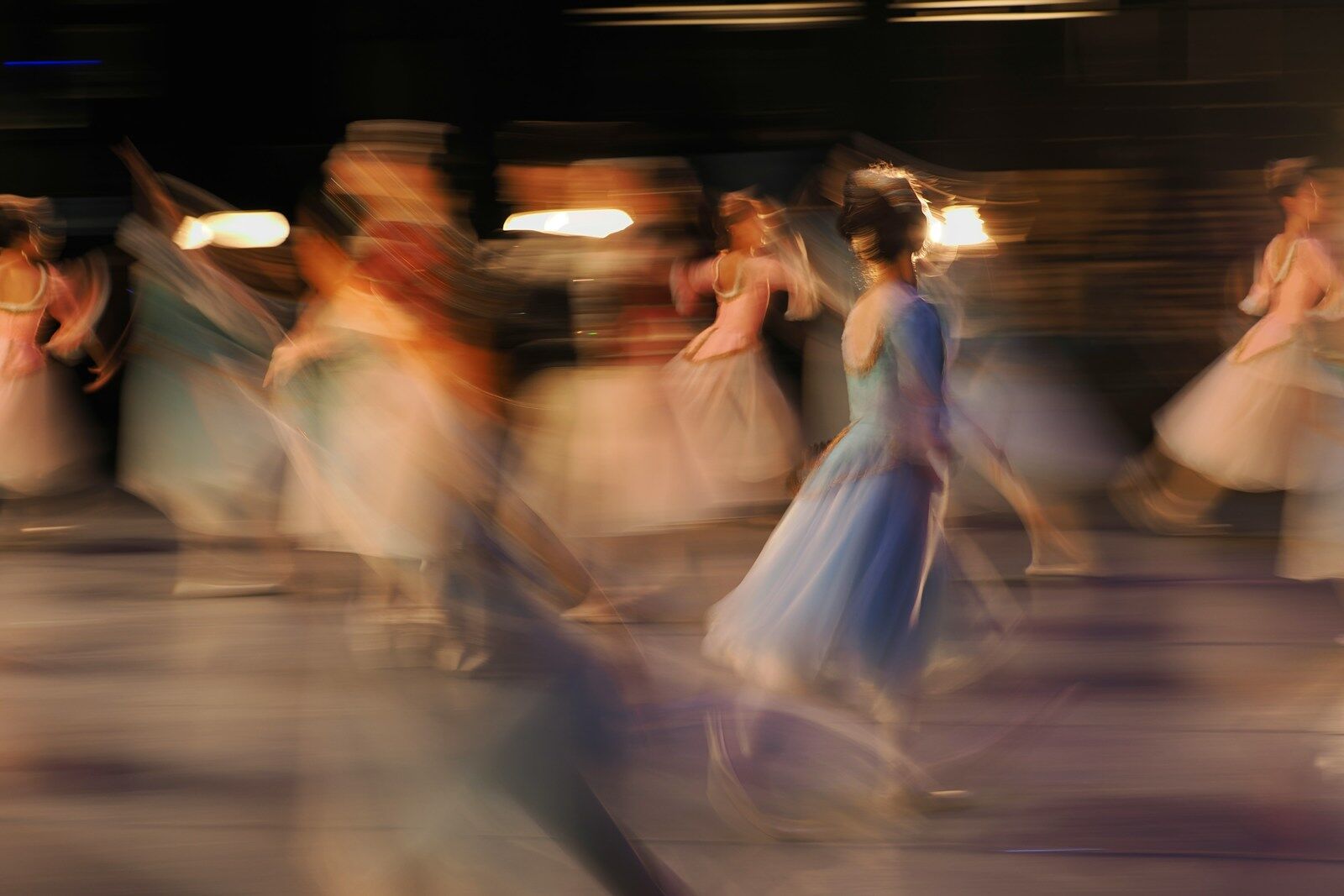
Ask any parent what they most want for their child and confidence usually sits near the top of the list. It rarely arrives by accident. For a lot of children, it grows quietly in rehearsal rooms, on stage and in the shared nerves of an opening night. Here are the questions parents ask most often about performing arts, with honest answers.
Does my child need to be “good” at drama or music to benefit?
No. This is the biggest misconception, and it puts a lot of families off. A strong programme is not a talent contest. It is a space where children learn to try something, get it wrong, and try again in front of others. That process, rather than the polished result, is where confidence is built. A shy child who manages one line in a class play has done something braver than a natural performer coasting through a solo.
How does performing arts actually build confidence, day to day?
It works in small, repeated steps. Speaking clearly so the back row can hear. Remembering a cue. Standing still while others watch. Each of these is a manageable challenge, and every time a child meets one, they gather evidence that they can cope with pressure. Over a term, that evidence adds up into a steadier sense of self.
There is also a social side that often gets overlooked. Rehearsals ask children to collaborate, to wait for others, and to depend on the group. A child who feels awkward in the playground can find a genuine place in a chorus or a stage crew, and belonging tends to loosen self-consciousness.
What difference does it make in the rest of school life?
Quite a lot, and often in unexpected places. Reading aloud, answering in class and giving presentations all draw on the same muscles as performance. Children who are used to being watched on stage tend to find these everyday moments less frightening. Teachers frequently notice that a pupil who has taken part in a production starts putting their hand up more, or volunteers to read first.
The habit of preparation matters too. Learning lines, showing up to rehearsal and honouring commitments to the group teaches a kind of quiet reliability that spills into homework and revision.
What should I look for in a school’s programme?
Look for breadth and regular opportunity rather than one big annual show. Children build confidence through frequent, low-stakes chances to perform, not a single high-pressure event. Ask whether every child gets involved or only a chosen few. The best settings make sure there is a role for everyone, on stage and behind it.
It helps to choose a school where the arts are treated as part of a rounded education rather than an afterthought. Many families find that an independent school with a genuine commitment to the performing arts gives children the space and encouragement to grow at their own pace. Manor House School is one example of a setting where drama, music and dance sit comfortably alongside academic ambition.
My child gets nervous. Should I hold them back?
Usually the opposite. Nerves are not a reason to avoid performing; they are the very thing a good programme helps children manage. The aim is not to remove the butterflies but to teach a child that they can feel nervous and carry on anyway. That lesson lasts far beyond the school stage, into interviews, exams and adult life.
Start small. A supportive teacher will let a nervous child ease in gradually, perhaps with a group scene before a solo, so success feels earned rather than forced.
The takeaway for parents
Confidence is not a personality trait a child either has or lacks. It is built, piece by piece, through the experience of being trusted with something and rising to it. A strong performing arts programme offers that experience again and again, in a setting where getting it slightly wrong is safe and trying is celebrated. For many children, that is where they first discover what they are capable of.
You can learn more at https://manorhouseschool.org.
—
*This article was contributed by the team at Manor House School, an independent day school for girls in Surrey offering education from Nursery through to Sixth Form. Manor House School combines strong academic standards with a broad co-curricular programme spanning drama, music, sport and the creative arts, supporting each pupil to grow in confidence and character.*





Leave A Comment