
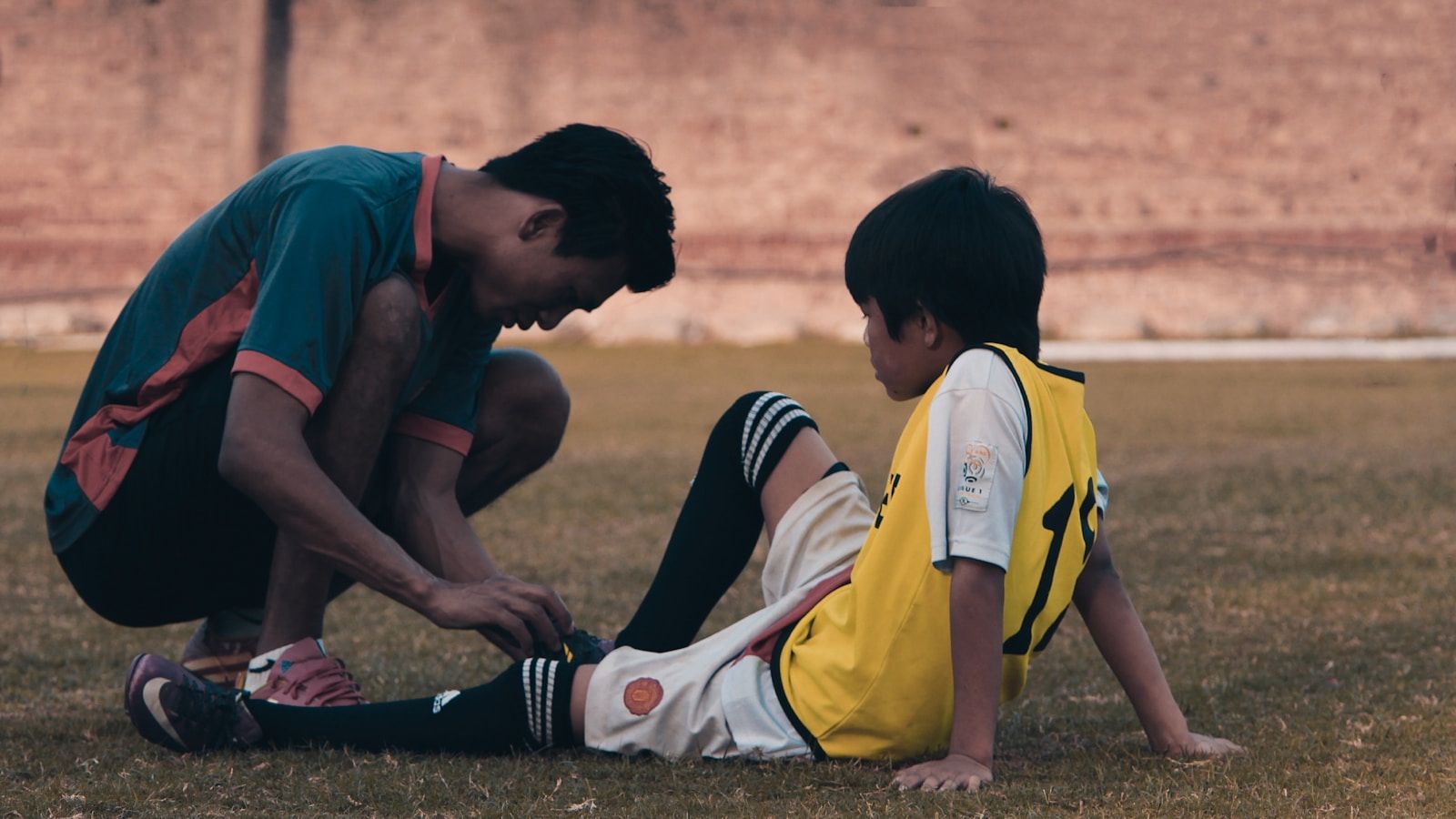
Engaging in sports and physical activities is vital for the healthy growth and development of children. It helps build physical fitness, enhance mental well-being, and foster social skills.
However, with the increasing participation of children in sports, there is also a rise in sports-related injuries. Statistics show that a significant number of children experience injuries annually, which highlights the need for effective prevention and management strategies.
This article aims to provide comprehensive information on how to prevent and manage sports injuries in children.
The Importance of Physical Activity for Children
Physical activity is crucial for children’s development. It offers numerous benefits, including:
- Physical Health: It strengthens the heart and improves circulation. It builds and tones muscles. It helps maintain a healthy weight and reduces the risk of chronic diseases.
- Psychological: Exercise releases endorphins, which enhance mood and reduce stress. It helps manage anxiety and depression. It also improves concentration, memory, and classroom behavior.
- Social: Participating in team sports teaches teamwork. It develops leadership skills. It fosters a sense of community and belonging.
Common Types of Sports Injuries in Children
Sports injuries in children are typically categorized into acute and overuse injuries. Acute injuries, such as fractures, sprains, strains, and contusions, result from sudden trauma. Overuse injuries, like stress fractures, tendinitis, and shin splints, develop over time due to repetitive stress on bones and muscles.
Neglecting minor injuries can lead to more severe conditions like degenerative disc disease, a spinal condition resulting from repeated stress and poor posture. Symptoms include chronic back pain, numbness, and weakness in the limbs. Early signs of this condition often go unnoticed, making it crucial to address any discomfort promptly.
Professionals like orthopaedic doctors and physical therapists help diagnose and treat worn-out discs in the spine. They use methods like physical therapy, fixing posture, and sometimes surgery to manage pain and stop more damage. Taking care of injuries early can prevent these issues. This shows why it’s important to get professional care quickly.
Prevention Strategies for Sports Injuries
Preventing sports injuries involves several strategies aimed at ensuring the safety and well-being of children.
Proper Warm-up and Cool-down
Importance of Stretching and Dynamic Exercises: Warm-up exercises prepare the body for physical activity and reduce the risk of injuries. Cool-down exercises help gradually reduce the heart rate and prevent stiffness.
Strength and Conditioning Programs
Age-Appropriate Exercises: Incorporating exercises that enhance muscle strength and flexibility helps in building a resilient body that can withstand physical stresses.
Use of Appropriate Gear and Equipment
Ensuring Proper Fit and Maintenance: Using the right sports gear and ensuring it fits well and is in good condition can prevent many injuries.
Safe Playing Environments
Importance of Safe Surfaces and Proper Supervision: Playing on safe surfaces and having adequate supervision can significantly reduce the risk of injuries. Weather conditions should also be considered to avoid heat-related illnesses or injuries.
Education and Awareness
Teaching Kids About Their Bodies: Early intervention requires educating children on the importance of listening to their bodies and reporting pain or discomfort.
Adequate Rest and Recovery
Balancing Training with Rest Periods: Ensuring that children have sufficient rest periods between training sessions prevents overuse injuries and allows their bodies to recover.
Managing Sports Injuries
Despite all precautions, injuries can still occur. Knowing how to manage them is essential.
Immediate First Aid (R.I.C.E. Method)
The R.I.C.E. method stands for Rest, Ice, Compression, and Elevation. It is an effective first-aid treatment for many injuries. Resting the injured area prevents further damage. Applying ice reduces swelling and pain. Compression helps control swelling, and elevation reduces blood flow to the injured area, further minimizing swelling.
Seeking Professional Medical Attention
It’s important to know when to seek medical attention. Persistent pain, severe swelling, or inability to use the affected limb indicates the need for a doctor or specialist.
Rehabilitation and Physical Therapy
Proper rehabilitation is crucial for full recovery. Physical therapy can help restore strength, flexibility, and range of motion. Skipping rehabilitation can lead to chronic problems or re-injury.
Returning to Sports
Returning to physical activity should be gradual. Following guidelines from healthcare professionals ensures a safe return. Rushing back can lead to further injuries and prolonged recovery.
Conclusion
Physical activity is essential for children’s development and offers numerous benefits. However, it comes with the risk of injuries. By implementing preventive strategies, parents and coaches can reduce these risks. Proper injury management ensures that young athletes can return to their activities safely. Prioritizing safety and health allows children to enjoy the benefits of physical activity while minimizing the risks.





Leave A Comment