
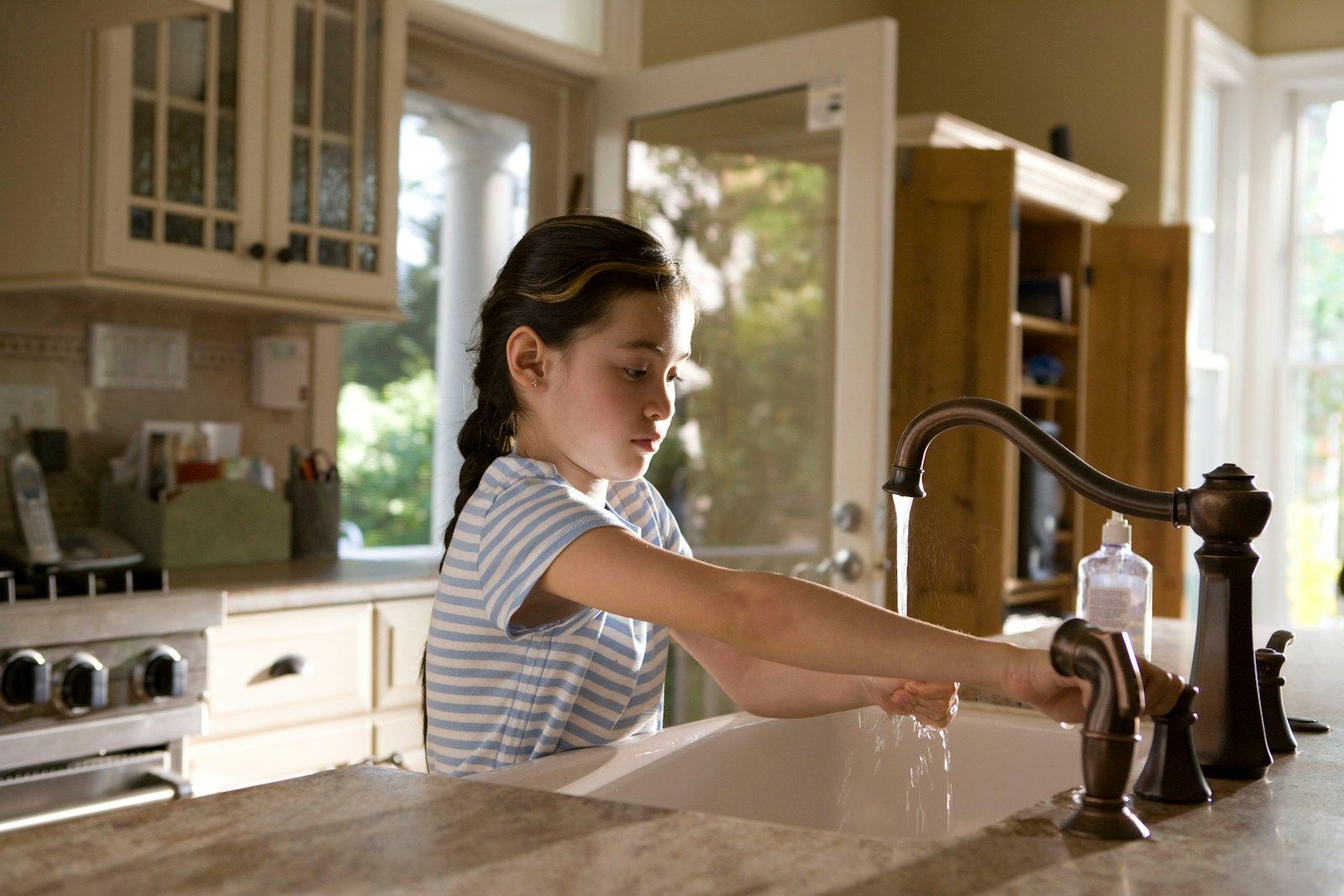
As parents, one of our most important roles is teaching our children the skills they need to thrive, and personal hygiene is a big part of that. It may seem simple to us as adults, but to a child, learning good hygiene habits is a new and sometimes confusing process. Teaching your child about personal hygiene not only keeps them healthy but also builds a foundation for confidence and independence. Here’s how to make hygiene habits fun, engaging, and a part of your child’s daily routine.
Why Personal Hygiene Is Important
Before diving into the tips, it’s helpful to explain to your child why hygiene matters. Personal hygiene is taught at many schools and nurseries, just like this Liverpool Nursery. But it isn’t just about looking presentable—it helps protect us from germs, keeps our bodies healthy, and prevents illness. By understanding the “why,” children are more likely to take an interest in forming these habits.
Key Areas of Personal Hygiene to Teach
- Handwashing The most basic and essential hygiene habit is handwashing. Teach your child the importance of washing their hands:
- Before meals
- After using the bathroom
- After coughing, sneezing, or blowing their nose
- After playing outside or handling pets
- How to Teach: Make handwashing a fun ritual by turning it into a song. Please encourage them to wash for at least 20 seconds, using soap and warm water. You can sing “Happy Birthday” twice or make up a fun hand-washing tune to ensure they wash for the proper amount of time.
- Brushing Teeth Dental hygiene is vital from an early age. Teaching your child to brush their teeth twice a day helps them maintain strong teeth and gums and prevents cavities.
How to Teach: Let your child pick their own toothbrush in a colour or with a character they like. Make it a game—use a timer or a brushing app to encourage them to brush for the full two minutes. Reinforce the habit by brushing together as a family. - Bathing/Showering Bathing regularly helps remove dirt, sweat, and germs that build up during the day. It’s essential for keeping the skin clean and preventing infections.
How to Teach: Start by making bath time fun with toys, bubbles, and engaging stories. As they grow older, teach them the importance of using soap and shampoo. Create a routine so they know that bath time is part of their day—either before bedtime or in the morning. - Nail Care Keeping nails trimmed and clean is a small but important hygiene task. Long nails can harbour dirt and bacteria, which can lead to infections.
How to Teach: Make nail trimming a regular habit, perhaps as part of your weekly routine. Teach them how to use a nail brush to clean under their nails and why it’s important to trim nails to avoid getting hurt. - Hair Care Clean, well-maintained hair contributes to overall hygiene. Depending on your child’s hair type, washing hair regularly and keeping it tidy will help prevent scalp issues like dandruff or lice.
How to Teach: Let them choose their own shampoo with a scent they like. Teach them how to lather up and rinse thoroughly. Make combing or brushing their hair a part of their morning routine. - Blowing Nose and Sneezing Etiquette Teaching kids how to blow their nose properly and cover their mouth when they sneeze or cough is critical for preventing the spread of germs.
How to Teach: Show them how to blow their nose into a tissue, then immediately throw it away and wash their hands. Teach them to sneeze or cough into their elbow if a tissue isn’t available.
Age-Appropriate Hygiene Lessons
- Toddlers (Ages 1-3): This is the age to start introducing basic hygiene habits, like washing hands with help and brushing teeth with parental assistance. Make it playful!
- Preschoolers (Ages 4-6): At this age, kids can start taking more responsibility. They can brush their teeth on their own (with supervision) and begin understanding the importance of cleanliness.
- School-Age (Ages 7-10): School-age children should have established most of their hygiene habits. They can take baths or showers, brush their teeth without help, and begin understanding how hygiene affects social interactions.
Making Hygiene Fun and Consistent
Children learn best when lessons are engaging and consistent. Here are some ways to make personal hygiene part of your child’s life:
- Use Positive Reinforcement: Praise your child when they practice good hygiene habits. You can also use a reward system, like a sticker chart, to motivate them.
- Set an Example: Children model the behaviour they see. Make sure you’re demonstrating good hygiene practices in your daily life. If they see you brushing your teeth, washing your hands, and keeping clean, they’re more likely to do the same.
- Create a Routine: Consistency is key. Establishing a morning and evening routine that includes brushing teeth, washing hands, and taking a bath will help children understand that hygiene is a daily responsibility.
- Fun Products: Let them pick out their own hygiene products, like a fun toothbrush, colourful soap, or shampoo with a scent they love. This makes the process feel more personal and enjoyable.
Talking About Puberty and Hygiene
As your child grows, hygiene becomes even more important, especially as they enter puberty. Around ages 9-12, bodies start changing, and sweat, oil production, and body odour increase. This is a good time to introduce deodorant, explain the importance of daily showers, and encourage them to take more ownership of their personal hygiene.
Teaching your child about personal hygiene is one of the best ways to set them up for success in life. It helps them stay healthy, builds self-esteem, and fosters independence. Start early, be patient, and turn it into a fun and consistent part of their routine. Before you know it, they’ll be practising good hygiene on their own, with confidence and ease!
By helping your child form these lifelong habits, you’re giving them an essential tool for both their physical and emotional well-being.





Leave A Comment