
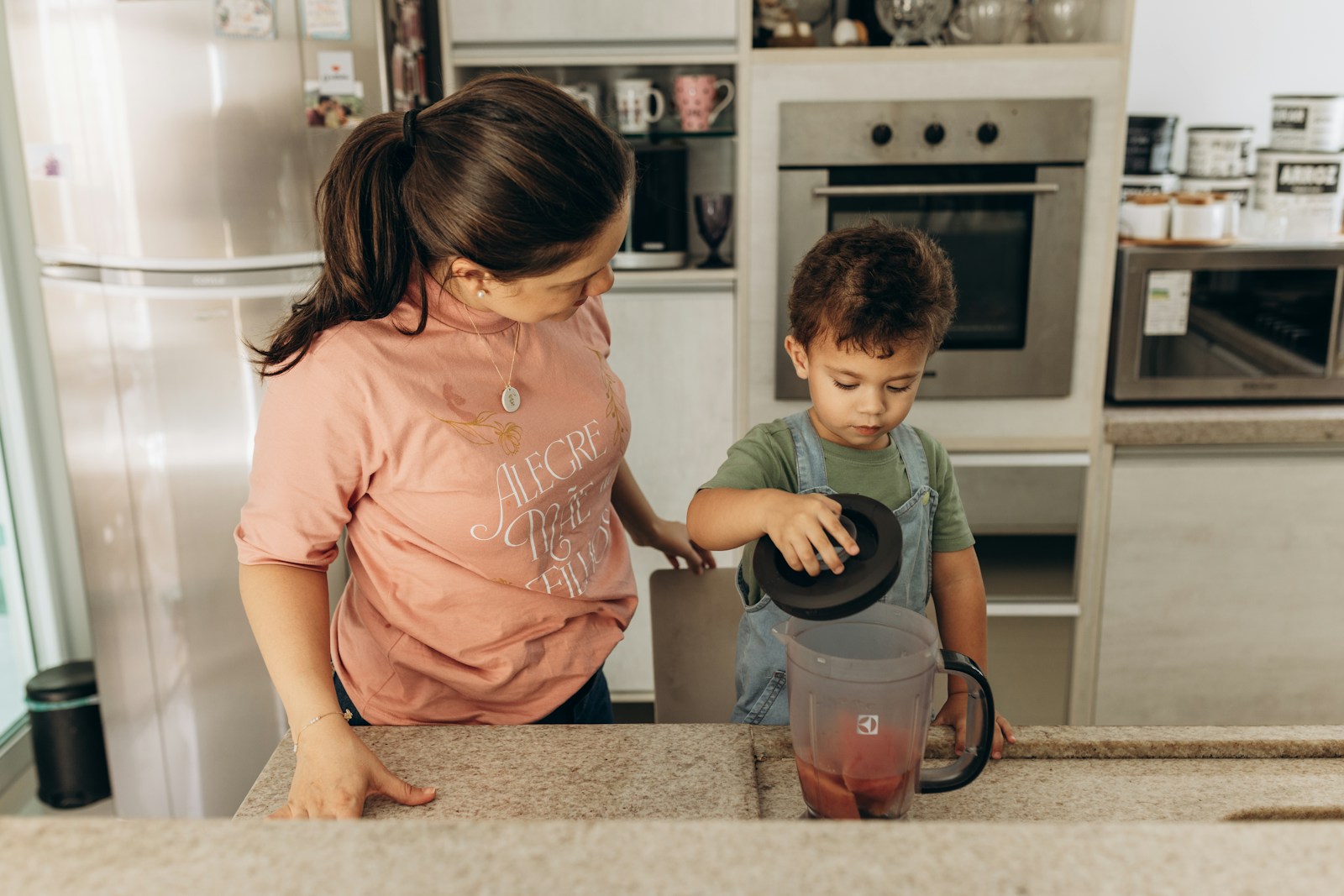
Believe it or not, your kitchen already has many key ingredients for sensory play. You don’t have to necessarily go out and buy a load of expensive products to indulge in some sensory play for your kids, the key ingredients are most likely already at hand. In this post we will explore how you can use kitchen ingredients for sensory play for kids at home or at school.
Encouraging children to explore the textures, colours, and scents of everyday materials can make playtime far more engaging. Sensory activities help develop fine motor skills, support early cognitive development, and inspire imaginative play. Many of these opportunities can be created at home or in educational settings without the need for expensive resources, simply by making use of what is already available in the kitchen. With a little creativity, you can transform ordinary ingredients into safe, fun, and educational play experiences that stimulate curiosity and enjoyment.
Transforming Common Kitchen Ingredients into Learning Resources
Simple kitchen staples, such as flour, pasta, rice, and salt, can serve as the foundation for imaginative play scenarios. Coloured rice, for example, can be used in sorting games or as a base for small-world play areas. Pasta shapes or circular cereal can be painted and used for activities such as threading, counting, or art projects. Flour and cornflour can be mixed with water to create tactile materials that children can mould and manipulate, such as Ooblek, enhancing sensory awareness and coordination.

When looking for structured ways to set up these activities, it is worth taking time to explore messy play trays. These allow you to present ingredients in a contained, organised manner while still giving children the freedom to experiment. By creating themed sections within a tray, you can offer a range of textures and colours for children to touch, scoop, pour, and mix.
Building Sensory Skills Through Texture and Movement
Messy play with kitchen ingredients can involve far more than touch. Different materials can produce sounds when poured, shaken, or stirred, engaging children’s auditory senses. Using tools such as spoons, funnels, and measuring cups encourages hand–eye coordination and strengthens grip. Activities like kneading dough or moulding clay made from flour help children develop both fine and gross motor skills.
In addition, sensory play supports early problem-solving skills. When children mix water with dry ingredients, they learn how textures and consistencies change. They also begin to explore basic science concepts, such as cause and effect, without even realising it.
Colour, Creativity, and Themed Play
Introducing colour to kitchen-based sensory play can add a new dimension to the experience. Safe food colouring can transform plain rice, pasta, or dough into vibrant materials that capture children’s attention. Themed play areas can be created to reflect the seasons, holidays, or topics being explored in class or at home. For example, green-tinted rice might become grass for a miniature farm scene, while red and yellow pasta shapes could be used to represent autumn leaves.
Creativity is encouraged when children are given both themed suggestions and the freedom to experiment. Mixing colours, combining textures, and inventing new uses for materials helps foster independent thinking and problem-solving abilities.
Incorporating Scent and Taste for Multi-Sensory Play
Kitchen-based play can also engage children’s sense of smell and, where appropriate, taste. Spices such as cinnamon or herbs like rosemary can be added to dough or rice to provide distinctive scents. These smells can spark conversations about food, cooking, and cultural traditions. For very young children, edible sensory materials such as plain pasta, cereal, or cooked rice can be a safe option during exploration.
Multi-sensory experiences make activities more memorable and enjoyable. The combination of textures, colours, scents, and, where appropriate, flavours can help children form stronger associations and recall experiences more vividly.
Encouraging Social Interaction and Communication
Sensory play is not only an individual activity; it can be highly social. Group activities using kitchen ingredients encourage children to share tools, take turns, and collaborate on building or mixing projects. As they work together, they develop language skills by describing what they see, feel, and smell. They might discuss how to create a certain texture or decide together on the best way to build a structure from their chosen materials.
These interactions can build confidence and help children feel more comfortable expressing their ideas. The collaborative nature of group sensory activities also supports the development of empathy and understanding.
Linking Sensory Play to Learning Goals
Kitchen ingredient activities can be linked to early learning objectives in a variety of ways. Counting pasta pieces or measuring ingredients can introduce basic numeracy. Describing textures, colours, and scents supports language development. Mixing different materials can be tied to early science concepts, while themed trays can be linked to history, geography, or cultural topics.
The adaptability of sensory play means it can be easily integrated into broader lesson plans or home learning routines. By keeping activities flexible, they can be tailored to suit the age, ability, and interests of each child.
Encouraging Lasting Learning Through Sensory Play
Kitchen-based sensory play offers countless opportunities for children to learn, create, and connect. From exploring different textures to developing problem-solving skills, these activities provide a foundation for cognitive and social growth. By incorporating safe, accessible materials into daily play, parents and educators can create meaningful experiences that children will remember and enjoy.




Leave A Comment