
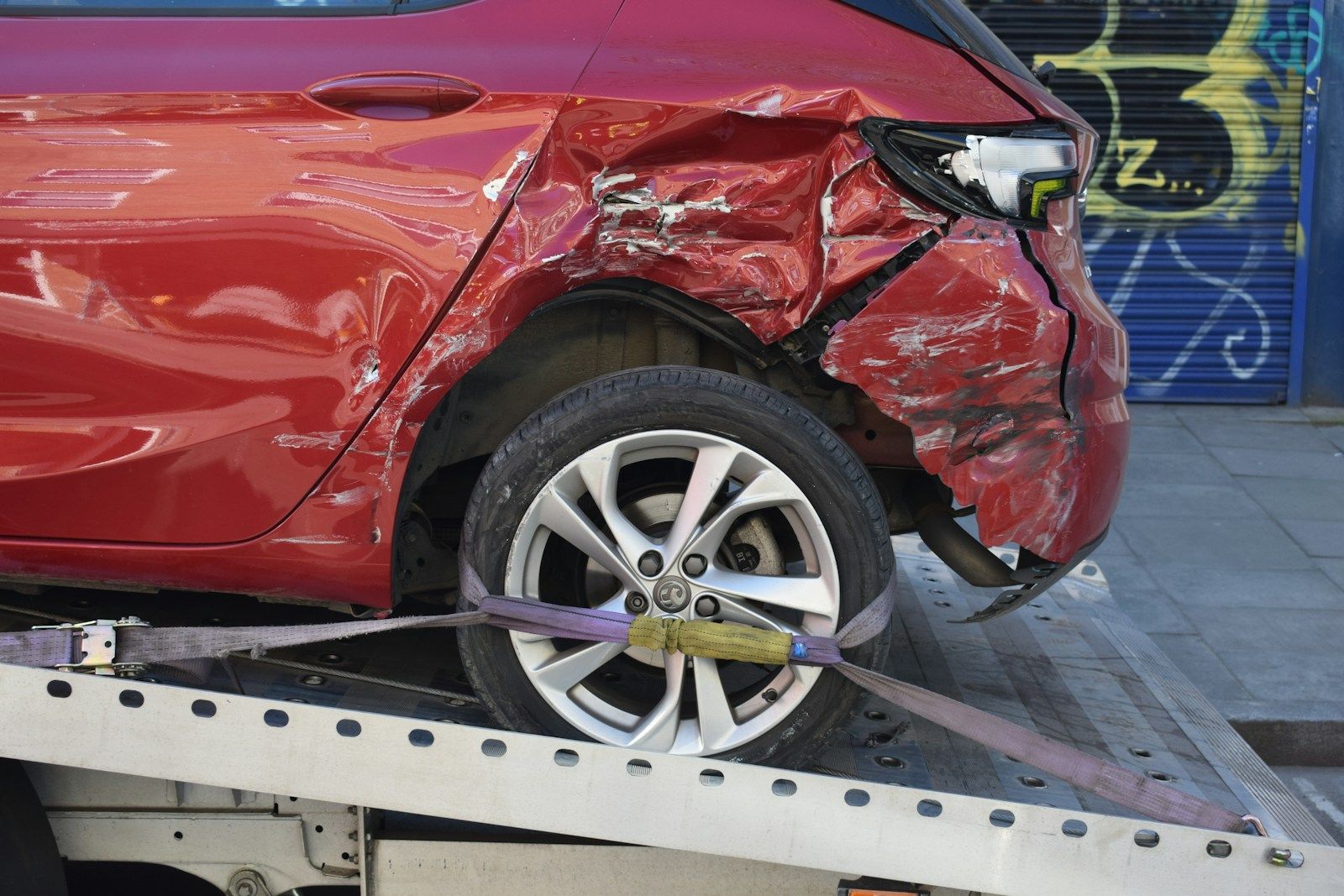
Did you know that the car accident fatality rate in Atlanta is approximately 15.8 deaths per 100,000 people? This makes it among the most dangerous metropolitan areas for road users in the country.
Now, imagine you’re driving down the road in Atlanta, enjoying your day, when suddenly—bam—an unexpected collision jolts you out of your thoughts. In those first few moments, your heart races, adrenaline kicks in, and your mind becomes confused. Sounds awful?
All in all, the aftermath of the accident can feel like pure chaos. But here’s the good news: it doesn’t have to stay that way. You can turn that post-accident panic into a sense of control and resolution with a clear plan and a calm mindset. Ready to find out how? Let’s walk through the essential steps of what to do after an accident.
1. Stay Calm and Assess the Situation
The first moments after an accident are often the most disorienting. At this moment, it can be difficult to think clearly. However, staying calm is very important. Take a deep breath and assess the situation:
- Are you injured?
- Are the passengers with you okay?
- Is there an immediate danger, like a fuel leak or fire?
If anyone is hurt, call 911 for emergency services immediately. No matter what, safety should be at the top. Once you’ve made sure everyone is safe, check on the other party involved whose negligence caused this accident.
2. Document the Scene
After ensuring everyone is out of immediate danger, it’s important to document the accident scene. Having clear records of what happened will be invaluable later in dealing with insurance claims or legal matters. Here’s how to do it effectively:
- Take pictures: Use your phone to photograph the damage to all vehicles involved, the surrounding area, and any road conditions that may have contributed to the accident, e.g., skid marks or road signs.
- Gather information: Collect the details, including the vehicle number and driver’s license information. Also, contact information must be obtained from any witnesses to the accident.
These steps will create a clear record that can help protect you in case of disputes later on.
3. Understanding Your Legal Options
If the accident was severe or involved significant injuries due to another person’s negligence, you may need to consult a personal injury lawyer. An attorney can help you navigate the complex legal landscape.
Given below are some scenarios when hiring an Atlanta car accident lawyer becomes necessary:
- Case of negligence: If the accident has happened because of the other person’s negligence, then the attorney can help protect your rights and gather the necessary evidence to support your case.
- Severe injuries: If you or your passengers sustained serious injuries, the financial costs, e.g., medical expenses and loss of income, might be significant. A lawyer can help you get proper compensation.
- Insurance disputes: If your claim is denied or you feel you are not being offered a fair settlement, a lawyer can negotiate on your behalf or take the case to court if necessary.
Some reputable personal injury attorneys work on a contingency basis, meaning you won’t pay unless you win the case. Consulting with one can help you understand your options without upfront financial pressure. You can easily book a free consultation with them via their website.
4. Notify Your Insurance Company
One of the most important things to do after an accident is to inform your insurance company as soon as possible. Your lawyer can do it on your behalf. They’ll guide you through the process of filing a claim and will manage all the documentation you gather from the scene. Be honest, and provide as much information as possible to support your claim.
Here’s what typically happens when you file an insurance claim:
- Your insurance company will send an adjuster to assess the damage to your vehicle.
- You’ll receive a quote for the repairs based on the assessment.
- Depending on your policy and the severity of the accident, the company may work directly with the other driver’s insurer to settle claims.
5. Repairing Your Vehicle and Emotional Healing
Getting your vehicle repaired is a tangible step toward resolution. Work with reputable repair shops and ensure that you understand the costs and coverage offered by your insurance.
Beyond the physical repair of your car, you may need emotional support. Accidents can be traumatic, leaving lasting psychological effects like anxiety, stress, or even PTSD. If you’re struggling with post-accident emotional challenges, you should reach out to a therapist or counselor who can help you process the trauma.
Sum It Up
Accidents are unsettling, but knowing how to handle the aftermath can turn a chaotic situation into a calm and controlled resolution. With a clear plan in place, you’ll resolve the current accident and be better prepared to handle any future bumps in the road.






Leave A Comment