
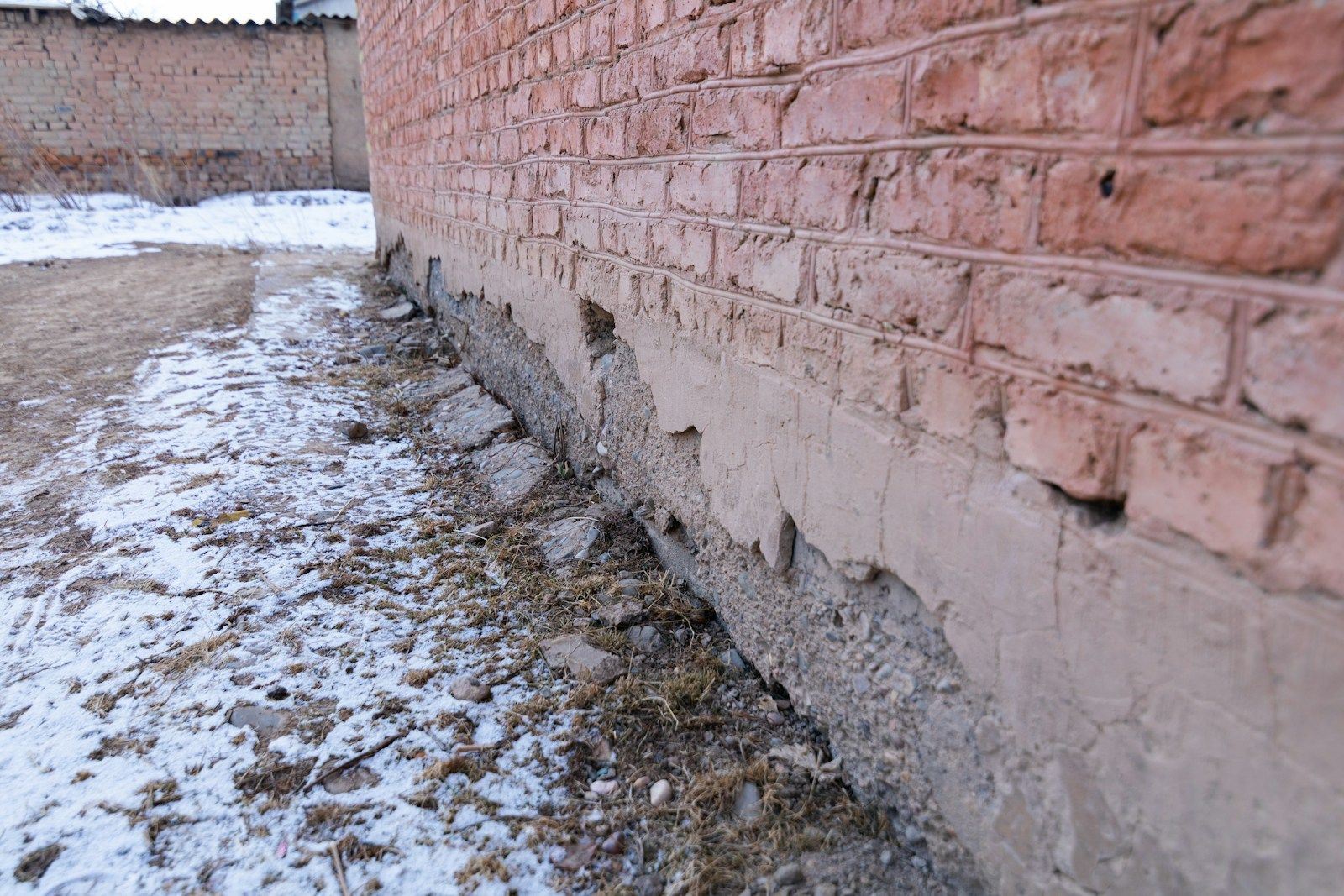
Water damage can strike when you least expect it. From small leaks to more substantial flooding, addressing water damage promptly is important. Knowing what to expect in terms of costs can help you plan and act quickly.
On average, the cost of water damage cleanup services ranges from $1,300 to $5,600. This figure depends on factors like the severity of the damage, the area affected, and the type of water involved. For instance, fixing damage from a burst pipe might have a different cost compared to damage from a natural flood. Contacting a trusted water damage clean up company, can guarantee you get the help you need swiftly.
It’s also worth considering the varying costs of labor. Labor rates can range from $70 to $200 per hour, which adds to the overall cost. Understanding these costs helps you make an informed decision when hiring professionals to restore your home and peace of mind.
This is a contributed article.
Factors Influencing Water Damage Restoration Costs
Understanding the costs of water damage restoration involves several key factors. These include how severe the damage is, the type of water involved, how long the damage has lingered, and the location of the damage. Each factor can impact the overall expense differently.
Extent of Damage
The scope of the damage significantly affects the cost of restoration. Minor leaks may only require drying and basic repairs, which are less expensive. Large-scale damage, such as that from flooding or significant leaks, may involve extensive repairs and replacements, increasing costs.
Damage to structural elements like walls and floors demands more resources, time, and skills, adding to the expense. Restoration professionals also need to assess the affected area to determine the appropriate methods for dealing with the damage effectively.
Category of Water Damage
Water damage is classified into three categories, each with different costs for restoration. Clean water from sources like rain or leaking pipes is the least expensive and typically easier to handle. Gray water from appliances or clean toilet water poses more risk and cleaning costs due to potential contaminants.
Blackwater, which includes sewage or floodwater, is the most hazardous. It requires extensive safety measures and specialized cleaning, making it the most costly. Professional help is necessary to properly address the health risks associated with black water damage.
Time Since Damage Occurred
The longer water sits without being addressed, the more damage it causes. Quick action can minimize costs because prompt cleanup prevents mold growth and structural damage. Mold remediation can be expensive, especially if the issue spreads to larger areas.
Delays in addressing water damage often lead to increased labor and repair work, driving up costs. It’s important to start the restoration process as soon as possible to keep expenses in check and maintain safety.
Location and Accessibility
The location and accessibility of the affected area influence the cost. Damage in hard-to-reach places, such as basements or crawl spaces, might incur additional costs due to the complexity of accessing these areas.
Areas with limited access may require specialized equipment or more labor, increasing expenses. Additionally, if the property is in a region prone to water-related issues, such as a flood zone, restoration services may charge higher rates due to increased demand.
Breakdown of Water Damage Clean-Up Services
Understanding the different steps involved in water damage cleanup is important. Each stage addresses specific needs and challenges. Let’s dive into these steps with a focus on water extraction, drying processes, cleaning, and restoration.
Water Extraction and Mitigation
The first step in handling water damage is removing the water itself. Using specialized equipment like pumps and vacuums, professionals work to extract standing water from your home. This step is required to prevent further damage and mold growth. Swift removal of water is the aim, as leaving water stagnant can lead to weakened structures and other complications.
After extraction, mitigation efforts address ongoing water intrusion issues. This includes identifying the water source, like leaks or broken pipes, and making necessary repairs. The goal is to stop any more water from entering the affected area to prevent additional damage. This work is important to maintain the safety and structure of your property.
Drying and Dehumidification
Once the water is gone, the next step is thorough drying. This helps to remove any residual moisture that could cause problems later. High-powered fans and dehumidifiers are often used to circulate air and absorb moisture from materials like walls, floors, and furniture. These tools are particularly important for materials that can absorb a lot of water.
Monitoring the drying process guarantees that the area reaches the proper humidity level. This step can take several days, depending on the extent of the damage and the types of materials involved. Achieving a dry environment helps prevent mold and makes future repairs easier and more effective.
Cleaning and Sanitizing
After drying, cleaning and sanitizing the area is necessary. This step eliminates health hazards like bacteria and mold. Professionals often use special cleaners and methods to sanitize surfaces and air. They may also remove odors caused by water damage, guaranteeing your home smells fresh and clean.
Personal belongings like furniture and clothes might also be cleaned during this process. Items that have absorbed water are at risk of developing unpleasant odors or mold. This is why specialized cleaning is done, restoring these items to a usable state and protecting indoor air quality.
Restoration and Repairs
The last part of water damage clean up is repairing and restoring the affected areas. This involves fixing or replacing damaged parts of your home, such as drywall, flooring, or cabinets. Restoration guarantees that the home is safe and can function normally again.
The extent of repairs often depends on the severity of the damage. In some cases, simple fixes are enough, while in others, major renovations might be necessary. Restoration aims to return your home to its pre-damage state, allowing you to move forward without worry.
Conclusion
Understanding the costs involved in water damage cleanup can help you plan better financially. It’s important to recognize that costs can vary significantly based on the scale of the damage. From minor repairs costing around $500 to more severe cases reaching up to $100,000, being informed pays off.
Most services involve two main steps: water removal and cleanup, followed by damage repair. Costs can differ based on the severity of damage and the type of water involved—clean or contaminated.
To manage costs, consider getting estimates from different providers. This approach can guarantee you find a service that fits your budget. Remember that while prices range, the average water damage restoration often falls between a few thousand dollars.
In the end, addressing water damage promptly is important. Delays can lead to increased costs and more damage, so taking action quickly can save you money and hassle.





Leave A Comment