
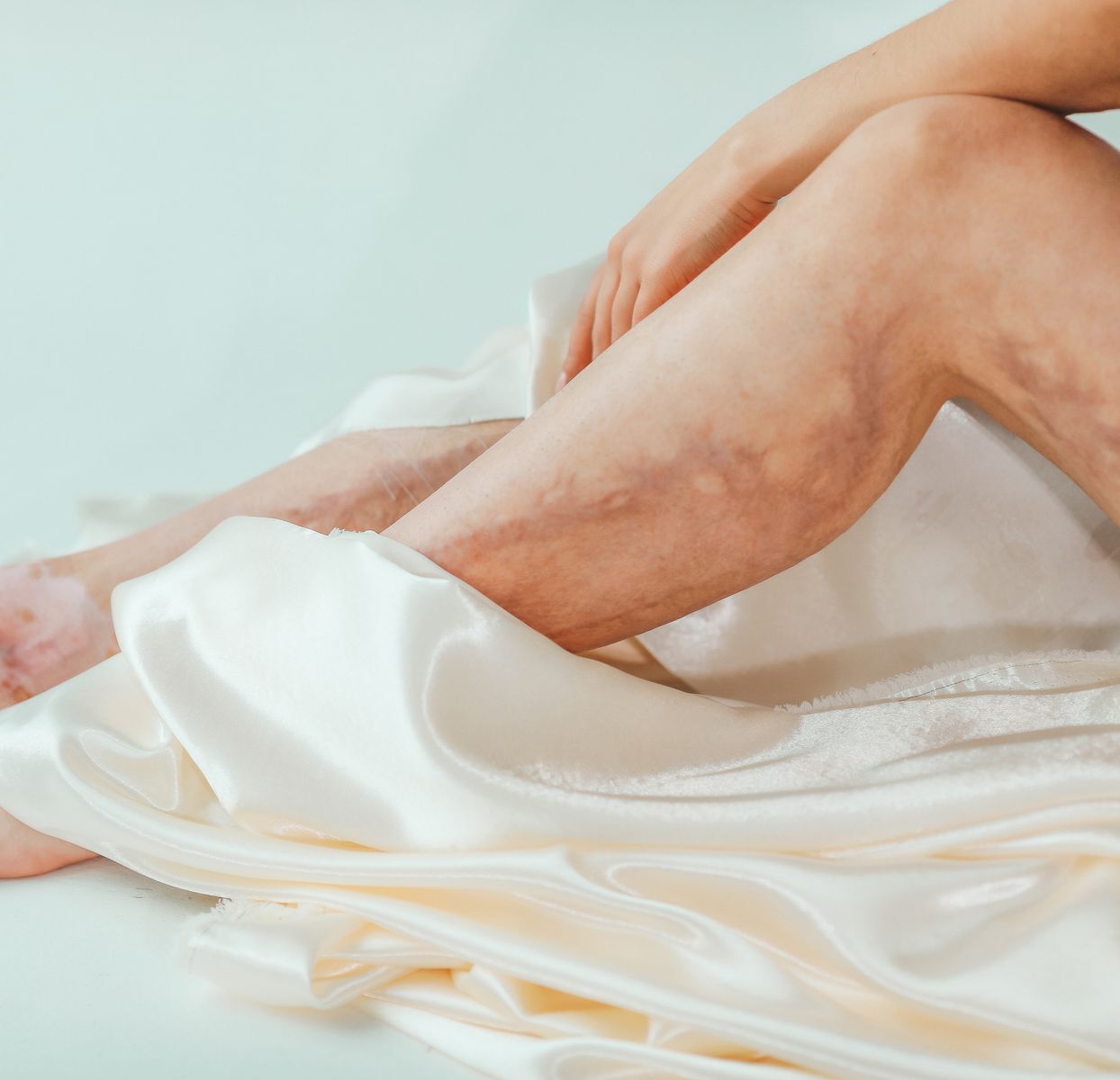
Homeopathic varicose vein formulas and conventional medical treatments differ in their approach, scientific evidence, safety considerations, and ability to address underlying vein problems. While homeopathic products are marketed as natural options for symptom management, there is limited reliable evidence that homeopathy can treat varicose veins or correct damaged vein valves. Medical treatments, including compression therapy and minimally invasive procedures, have more established roles in managing symptoms and treating affected veins.
1. How Homeopathic Formulas and Medical Treatments Work
Homeopathic approaches to varicose veins
Homeopathy is based on the principle that highly diluted substances can stimulate the body’s healing response. Products marketed as homeopathic varicose vein formula may be promoted for concerns such as leg heaviness, discomfort, swelling, or visible veins. However, the ingredients and formulations vary, and claims about their benefits should be evaluated individually.
There is no strong scientific evidence that homeopathic remedies repair damaged vein valves, restore normal blood flow, or eliminate varicose veins. A product described as natural or homeopathic should not automatically be considered effective or risk-free.
Conventional medical treatment
Varicose veins develop when veins, usually in the legs, become enlarged and twisted because blood does not flow efficiently back toward the heart. Faulty valves can allow blood to flow backward and collect in the veins.
Medical care focuses on assessing the severity of the condition, relieving symptoms, and treating abnormal veins when appropriate. Depending on the diagnosis, options may include compression stockings, sclerotherapy, endovenous ablation, or surgery.
2. Scientific Evidence and Expected Results
One important difference is the amount and quality of scientific evidence supporting each approach. Homeopathic remedies have not been shown reliably to reverse the changes responsible for varicose veins. Testimonials and personal experiences may be meaningful to individuals, but they cannot establish that a treatment works.
Conventional treatments have stronger clinical evidence for specific purposes. For example, endovenous ablation uses heat or another method to close an affected vein, while sclerotherapy involves injecting a solution that causes a targeted vein to close. These procedures are selected according to the patient’s condition and clinical assessment.
It is also important to understand that medical treatment does not guarantee permanent freedom from varicose veins. New veins may develop over time, and some people need follow-up care. Results depend on the procedure, the severity of the vein disease, and individual circumstances.
3. Symptom Relief Versus Treating the Underlying Problem
Varicose veins can cause aching, heaviness, itching, ankle swelling, and discomfort after long periods of standing. Symptoms may become more noticeable toward the end of the day, particularly for someone whose work involves standing for several hours.
Some people explore complementary options, including a homeopathic varicose vein formula, because they prefer a non-invasive approach. However, the effects of a particular formula should not be assumed without reliable clinical evidence. A topical product may also have different effects from an oral homeopathic remedy, so it is important to check its actual ingredients and intended use.
Medical treatments are designed to address diagnosed vein problems. Compression stockings may help manage discomfort and swelling, while procedures such as endovenous ablation can close abnormal veins. The appropriate option depends on the symptoms, circulation, and results of a clinical assessment.
4. Safety, Side Effects, and Medical Supervision
Homeopathic remedies are often highly diluted, but that does not mean every product sold under a homeopathic or natural label is automatically safe. Formulations can differ, and some products may contain measurable active ingredients or other substances. Checking the label and discussing use with a healthcare professional is particularly important if you take medication or have another medical condition.
Conventional treatments also carry risks. Compression stockings need to be suitable for the individual, and procedures may cause bruising, discomfort, skin changes, or other complications. A qualified clinician can explain the expected benefits and risks before recommending treatment.
One important concern is delaying appropriate care while relying on an unproven remedy. The NHS states that there is no good-quality evidence that homeopathy effectively treats any health condition.
Seek medical advice if varicose veins cause persistent pain, swelling, skin discoloration, or sores that do not heal. Sudden leg swelling or pain needs prompt assessment, while severe bleeding from a varicose vein or chest pain with breathing difficulty requires emergency medical attention.
5. Cost, Convenience, and Long-Term Management
Homeopathic products may appear convenient because they can often be used at home without a procedure. Their costs vary depending on the formulation, frequency of use, and length of use. However, convenience does not establish effectiveness, and repeated spending on an unproven treatment may delay a more appropriate assessment.
Medical care can involve an initial consultation, an ultrasound scan, compression garments, or a procedure, depending on the circumstances. Some treatments require follow-up appointments, and varicose veins can recur or develop in other veins over time. Costs and availability also vary by location and healthcare system.
Everyday measures can help manage symptoms regardless of whether a procedure is needed. Walking regularly, moving the ankles during long periods of sitting, avoiding prolonged standing when possible, and elevating the legs while resting may improve comfort. These steps can support symptom management, but they do not repair damaged vein valves.
Frequently Asked Questions
Q. Can homeopathy remove varicose veins?
- There is no reliable scientific evidence that homeopathy removes varicose veins or repairs damaged vein valves. Medical assessment can identify treatment options that address the affected veins.
Q. Are homeopathic varicose vein formulas safer than medical treatments?
- Not necessarily. Safety depends on the product’s ingredients and the person’s circumstances, while medical procedures have specific risks that clinicians assess before treatment.
Q. What is the usual medical treatment for varicose veins?
- Options include compression therapy for symptom management, endovenous ablation, foam sclerotherapy, and surgery. The choice depends on the vein condition, symptoms, and clinical findings.
Q. Can lifestyle changes improve varicose vein symptoms?
- Regular walking, leg elevation, and avoiding long periods of standing still may help reduce discomfort. These measures can support symptom management but may not eliminate existing varicose veins.
Final Thoughts
The main difference between homeopathic varicose vein formulas and medical treatments is the evidence supporting their use and their ability to address the underlying vein problem. Homeopathic remedies have not been shown reliably to treat varicose veins, whereas conventional options offer established approaches to symptom management and, when appropriate, closing or removing affected veins.




Leave A Comment