
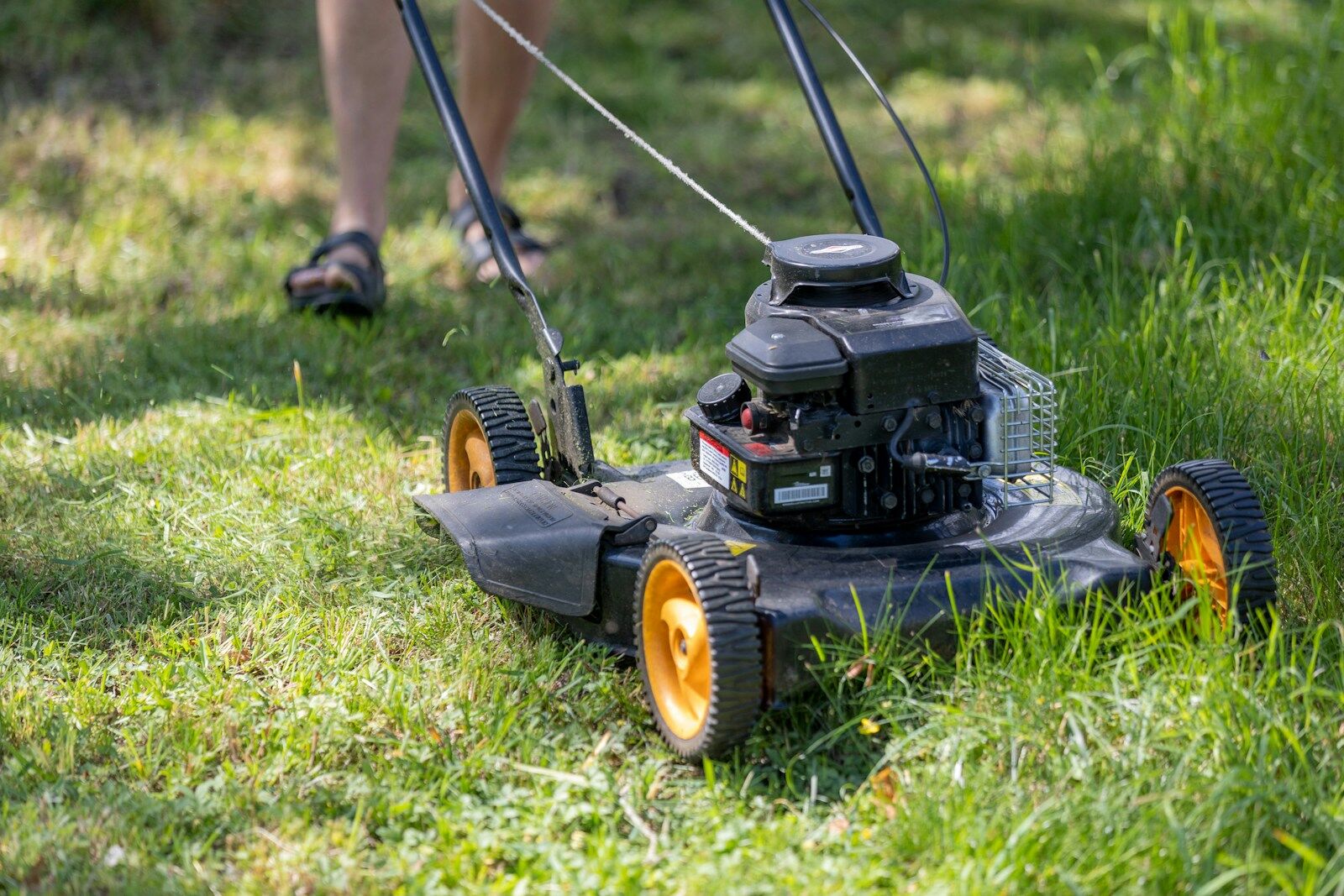
A lawn looks easy until family life starts using it properly. Children run the same route to the trampoline. The dog claims one corner. Someone drags a paddling pool across the middle in July, and the flattened patch never quite forgives anyone.
Mowing is not the whole problem. Mud near the back door is. Moss in the shaded strip is. Grass cuttings on bare feet, wet trainers in the kitchen, toys left outside overnight. At some point, the lawn starts feeling less like a garden feature and more like another job waiting for Saturday.
Why Natural Lawns Get Tired in Family Gardens
Family lawns rarely get gentle treatment. They become football pitches, picnic spots, dog runs, scooter routes and shortcuts to the bins. One small patch of grass has to do a lot, especially after a wet week.
The busiest areas usually give up first. Near the door. Beside the patio. Around the slide. The grass thins, the soil packs down, and the same muddy route gets used again because everyone already sees it as ruined. Annoying little loop.
Shade slows recovery too. Grass under a fence line or tree dries later after rain. Moss likes those damp corners. Bare soil turns up where feet land most often. The mower still comes out, but mowing only deals with what is growing. It does not fix the patch that gave up.
Parents often notice the indoor mess before they think about the lawn. Paw prints on tiles. Mud on socks. A child who says they “only stepped outside” and somehow brings half the garden back in.
Where Artificial Grass Starts to Make Sense
Some families do not want a perfect garden. They want one that copes with children, pets and wet shoes. For homes where the lawn has turned into a muddy route by the back door, artificial grass can give the busiest part of the garden a cleaner, steadier surface without adding mowing to the weekend list.
It works best when parents think about the problem area first. The strip by the back door. The place beside the play frame. The dog’s favourite track along the fence. The spot where chairs appear whenever the sun comes out for twelve minutes. Not every garden needs the same answer. Sometimes one practical zone is enough.
The main change is consistency. No mowing around rain. No patchy recovery after football. No fresh cuttings stuck to feet. The surface still needs care, because anything outside does. The job just changes shape.
What Parents Should Check Before Choosing a Surface
Not every product feels the same. Some look neat but feel rough under bare feet. Others feel softer, then flatten sooner where the same route gets used every day. Samples help more than photos. Photos behave too well.
Pile height matters. A shorter pile often suits busy spots because it copes better with feet, toys and garden furniture. Longer fibres can feel softer, but they may show wear faster if children keep hammering the same route to the goal, the slide or the back door.
Drainage matters just as much. A tidy top layer does not mean water has disappeared. It still needs somewhere to go. Poor preparation underneath can leave low spots, shifting edges or puddles in the wrong place. The dull groundwork decides whether the garden still feels right months later.
Colour needs daylight, not guesswork. A shade that looks natural indoors may look too bright beside old fencing, paving and real plants. Take samples outside where possible. A small square in real light tells the truth quickly.
Pet Owners Have Different Problems
Dogs change a garden. They run, scratch, sniff, roll and choose one route with total commitment. For some families, dog digging is the bit that ruins the same corner first. Natural grass often loses that fight near gates, fence lines and back doors.
Pet friendly surfaces need drainage first. If liquid cannot move away properly, the garden will not stay pleasant for long. A rinse helps, but it cannot rescue poor groundwork. The layer underneath has to do its part.
Cleaning should feel routine, not dramatic. Solid mess needs removing quickly. A rinse after heavy use keeps the area fresher. Some families use outdoor cleaners made for pet areas, but the product has to suit the surface and be safe once dry.
Cats are harder to predict. Some accept the change. Some inspect it, judge everyone, then avoid the garden for three days. Typical. Give them time. They usually decide on their own schedule.
How to Keep the Garden From Looking Too Plain
This is the worry people rarely say first. Will the garden look fake? Will it feel flat? Will it turn into a green rectangle with no life in it?
It does not have to. Borders soften the edges. Pots add height. A gravel strip breaks up the shape. Timber planters, herbs, climbers and one slightly scruffy wildlife corner can stop the space looking too controlled.
Texture helps. Grass beside paving can look blunt if nothing sits between them. A curved edge, a planter or a low border makes the join feel less harsh. Small change. You see it straight away.
Keep some real planting where the garden allows it. Children still need leaves, bugs, flowers and a bit of soil. Not soil across the whole lawn, maybe. But somewhere. A practical garden should still feel alive.
The Cost Question Families Actually Ask
Most parents are not comparing garden options for fun. They do it because the lawn has become annoying. The real question is simple. Is the upfront cost worth less mowing, less mud and fewer weekend rescue jobs?
The answer depends on the garden. A small battered lawn near the house may be an obvious candidate. A large lawn that drains well and gets sun all day may not need changing. A family with dogs may value a cleaner surface more than a household where the garden is mostly there to look pretty.
DIY can work in smaller areas, but measuring needs care. Edges, joins and levels make the finish. Get those wrong and the garden will remind you every time you look out with a cup of tea. Brutal. True.
Professional fitting costs more, but it can save trouble with drainage and base layers. If the ground is uneven, wet or awkwardly shaped, paying for help may be the calmer choice.
What Changes After the Lawnmower Goes
The garden does not become maintenance free. Leaves still fall. Toys still get abandoned. Dogs still behave like dogs. Outdoor life stays outdoor life.
The weekly rhythm changes, though. No rushing to mow before visitors arrive. No waiting for one dry afternoon. No grass cuttings trailing into the hallway. The garden starts depending less on weather timing and more on how the family already uses the space.
For many families, that is enough. Children can get back to outdoor play after rain. The dog comes in a little cleaner. Parents stop seeing the lawn as another thing they are behind on.
Giving up the lawnmower is not giving up on the garden. It is choosing a space that fits real family life, with room for children, pets, pots, toys and the sunny chair by the door. The garden still needs care, just not the same weekly fight. For many families, that is the whole point.




Leave A Comment