
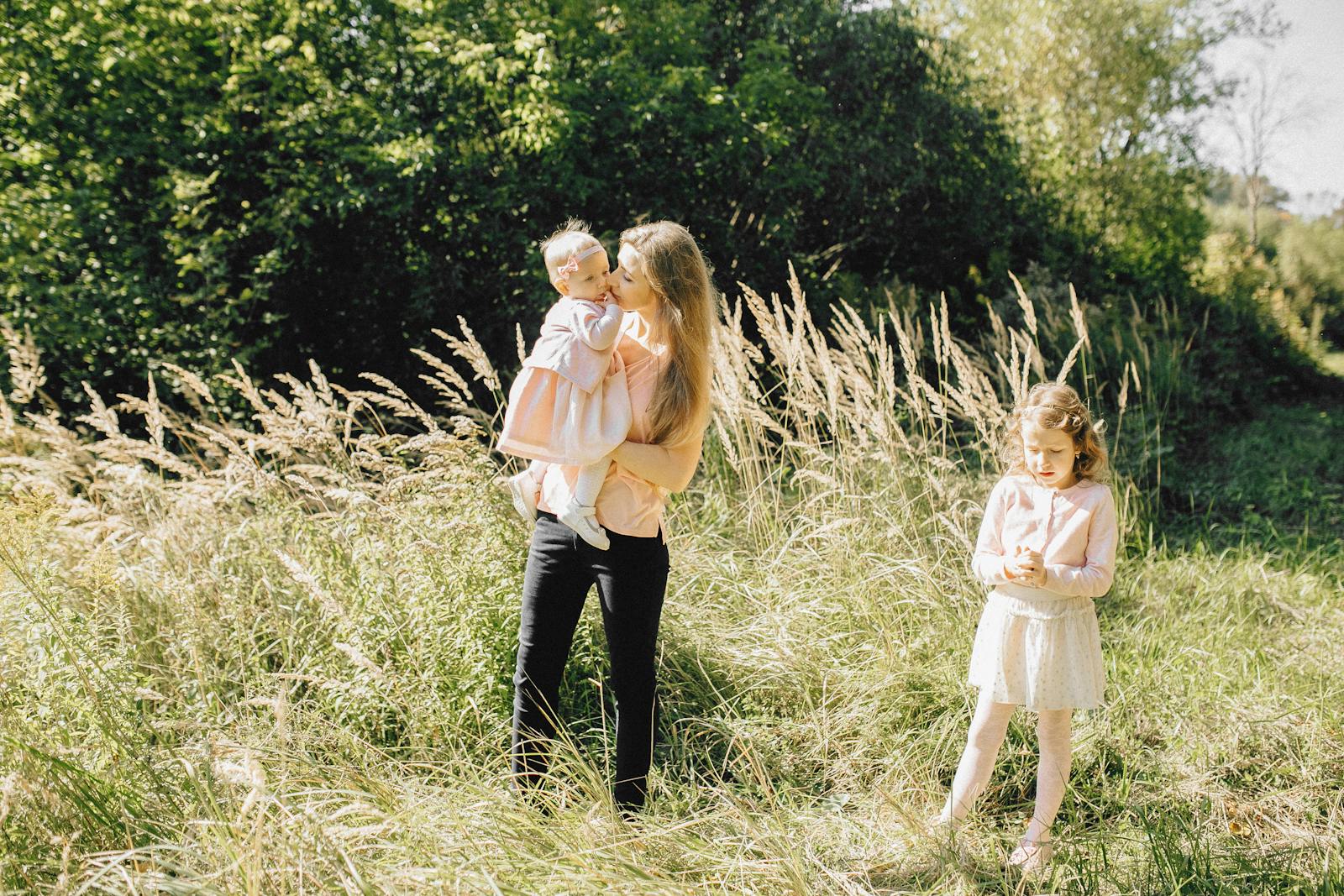
When you have more than one child, or more specifically, two or more daughters, you imagine that they will be similar. This is wrong. Most of the time, they are not. Trust me. As a mom of two little girls who are not so little anymore, in fact one is about to become a teenager, take it from me that they are not similar. Each of my beautiful and headstrong daughters is unique, not just in how they look but in their character, interests, body shape, dreams and abilities. In every single way you can imagine my daughters are different, each child is an individual. In this post we will explore more about why parents need to work really hard to understand their children’s unique qualities.
As parents, it’s only natural for us to want the very best for our children. We dream big dreams for them, open pathways of opportunity for them and set benchmarks we hope they will surpass. Yet one of the key lessons in parenting lies in understanding that each child is an individual. This holds especially true for daughters who often face pressure to conform. Understanding that your daughter is not one size fits all is important in encouraging her growth, happiness and success.

Embracing Uniqueness
One of the first steps toward understanding your daughter’s individuality is accepting and celebrating her uniqueness. Each child comes equipped with their own set of strengths, interests and temperaments. Some may excel academically while others find their passion through sports, arts or social activities. Parents need to recognize and celebrate these differences rather than trying to mould your daughter into some predefined idea of success.
The Pitfalls of Comparison
Comparison is an all too easy pitfall for parents to fall into inadvertently, often leading to unhelpful comparisons between siblings, classmates or expectations you have set for her and other girls her age. Such comparisons can erode her self-esteem and cause her to feel inadequate or unworthy, so it’s crucial that we focus on her individual achievements and challenges. Recognize her unique journey and celebrate it rather than compare how well others measure up against one another. Reinforce that her value doesn’t depend solely on comparison, rather, she must measure against herself and not others.
Personalised Support and Encouragement
Every child requires support, but the type can vary greatly. Some girls thrive with lots of encouragement and guidance while others may prefer taking on challenges independently. Customised support involves adapting your approach according to what’s best for your daughter’s individual needs. Being present and engaged in her life. Listening carefully when she expresses concerns, offering advice tailored specifically for her situation, as well as building trusting relationships that demonstrate you value her individuality and recognize who she truly is.
Embracing Different Body Shapes
Society often sets unrealistic beauty standards that cause girls to feel self-conscious about their bodies. Teach your daughter that beauty comes in all forms and that her worth should not be determined solely by physical appearance. Foster healthy habits like balanced nutrition and physical activity while emphasising the value of self-acceptance and love. Help her understand that every body is special and what matters is how she perceives and treats herself and her body. By creating an environment in which different body types are accepted and celebrated, you can help your daughter cultivate positive body image and confidence within herself.
Types of Body Shapes
Learning more about body types will enable your daughter to appreciate and feel proud about her own physique. Female body types generally fall into five main categories.
- Apple-shaped individuals tend to carry most of their weight around their midsection, with fuller bust and slimmer hips and legs.
- Pear-shaped individuals have wider hips and thighs with smaller bust and shoulder areas that create more of a bottom-heavy appearance.
- The hourglass figure features a well-balanced bust and hips with a narrow waist, creating a curvier silhouette.
- Rectangle body type tends to be more athletic with shoulders, waists and hips all roughly having equal widths.
- Inverted triangle (sometimes known as an “athletic” shape) features broad shoulders with narrower waists and hips for an overall top-heavy appearance.
Explaining body shapes to your daughter can help her recognize her own without attaching positive or negative connotations to each type. Stress that each has its own set of strengths and beauty. There is no “ideal” body shape to strive towards, something which may help foster body positivity and self-acceptance in your daughter.
Types of Hair
Body shapes vary and hair types also do. Understanding different hair types will allow your daughter to appreciate her own special characteristics as well as learn how to care for it properly. In general, four main groups exist based on texture and curl pattern:
- Straight hair (Type 1) exhibits the highest level of sheen and can often be the oiliest among all the different hair types. Additionally, it tends to be more resilient against frizzing.
- Wavy hair (Type 2) falls somewhere in between straight and curly, featuring gentle “S” waves that vary in their pattern. They may be more susceptible to frizz than straight locks and require both moisture and control measures for maintaining.
- Curly hair (Type 3) features distinct rings or spirals that appear more voluminous, yet more susceptible to freezing and dryness, necessitating additional care and maintenance for its maintenance.
- Kinky or coily hair (Type 4) has tight curls or coils and appears very dense and tight. Unfortunately, this hair type is usually quite fragile, subject to shrinkage, and needs extra moisture and handling care to remain manageable.
By discussing different hair types with your daughter, you can help her identify her own type without prejudice. Emphasise how each has its own beauty and requires special care in order to look its best. This understanding can encourage her to embrace and appreciate her natural locks for what they are. Caring for 1b hair differs from caring for 4c hair just as caring for straight and curly locks are different in terms of caring needs. Teaching your daughter there is no one-size-fits-all approach when it comes to beauty and there is no “right” or “better” type of hair.
Adjusting Expectations
An important part of parenting a diverse child is managing expectations. While it’s easy to have preconceived notions about what you want your daughter to accomplish, rigid expectations can limit her pursuits and progress. Be open to adapting your goals in accordance with her evolving interests and abilities. This doesn’t mean setting unrealistically low standards, but rather realistic yet flexible ones that can evolve with her development as she discovers her passions.
Celebrating Small Wins
It is crucial that we recognize and celebrate small achievements along your daughter’s journey, even those that seem inconsequential at first. She should feel encouraged when her efforts lead her toward larger achievements. So be sure to recognize and celebrate even minor victories as this will boost confidence and encourage further progression. Every small triumph from learning something new or setting personal records deserves recognition and praise. Be it mastering new skills, beating personal bests or venturing beyond one’s comfort zone is worth acknowledging and celebrating.
Open Communication
Maintaining open lines of communication with your daughter is key to understanding her needs and experiences. Encourage her to share her thoughts, feelings, and aspirations without fear of judgement from you or anyone else. Being accessible and willing to listen creates a safe space where she can express herself honestly without judgement from anyone around. Not only will this strengthen your relationship, but it will make life easier when helping guide or support her during various stages in her life.
Encourage Self-Reflection
Encouraging self-reflection in your daughter can be an empowering act. Help her understand her strengths and weaknesses, guide goal-setting processes, promote a growth-minded approach instead of perfectionist thinking, gain insight into experiences from personal accounts that provide more informed decisions, as well as gain acceptance for challenges or setbacks she might experience along the way.
Building Resilience
Your daughter needs resilience as an invaluable skill that will serve her throughout her life. Help her understand that setbacks are not failures but opportunities to learn and grow from each experience, by developing problem-solving abilities, emotional intelligence and having a positive outlook. Encourage her to face each challenge head-on as learning experiences rather than insurmountable obstacles.

Photo by Jonathan Borba on Unsplash
Conclusion
Recognizing your daughter is unique requires shifting perspective and nurturing her individual identity. Accept her differences without making comparisons, provide personalised support, adjust expectations accordingly, celebrate small wins with open communication channels, encourage self-reflection and build resilience. This way, you’ll provide her with the tools to become her best version, equipped with confidence and skills for life’s complexities. Don’t try fitting your daughter into any predetermined mould, rather help her shine her own light.


Leave A Comment