
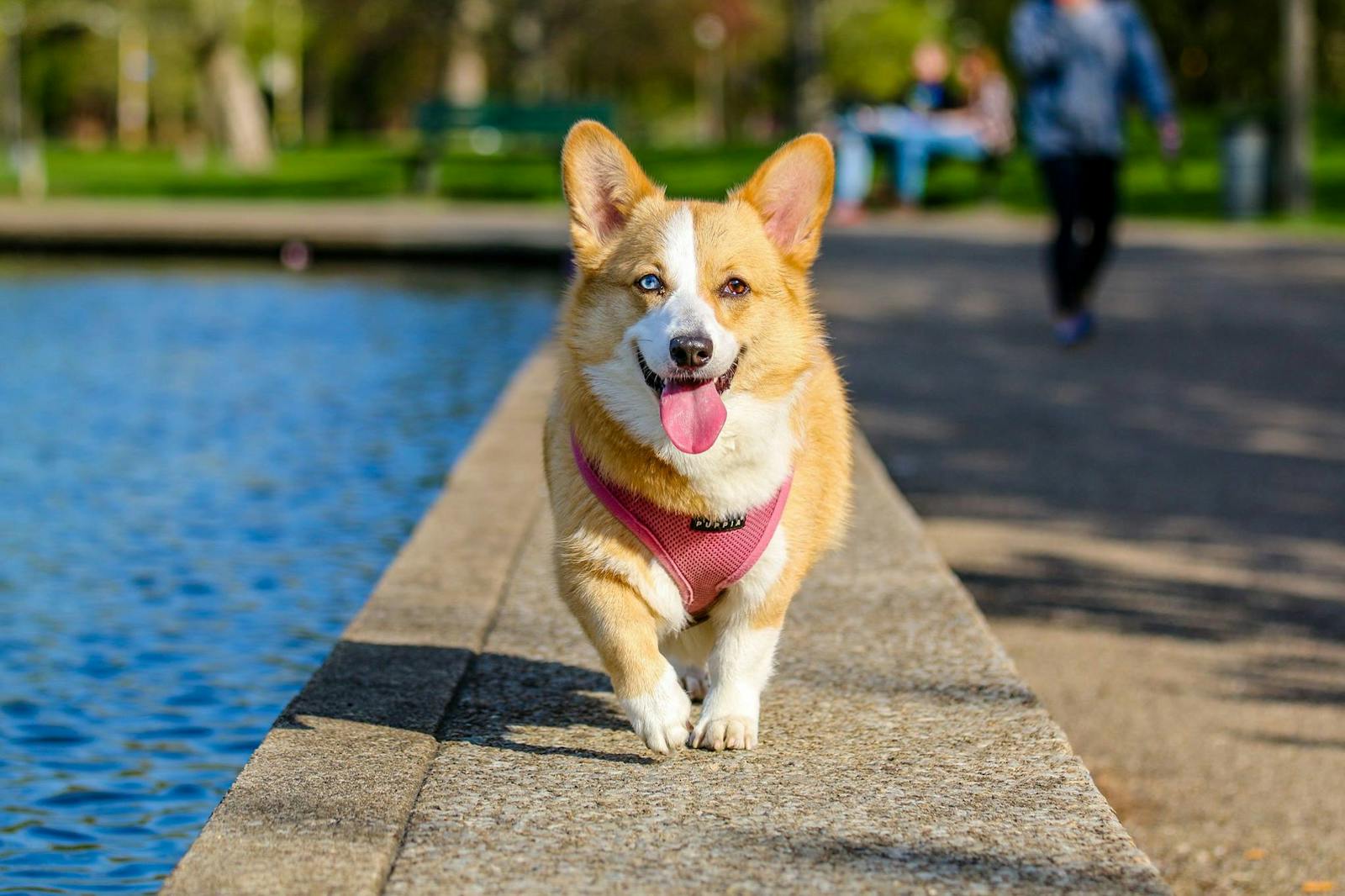
Raising a dog isn’t just about feeding them twice a day and walking them when you have time. Instead, it’s about creating a lifestyle where your pet can thrive in all aspects – physically, mentally, and emotionally.
Like humans, dogs need structure, care, and consistency to stay happy and healthy. And the good news? Building healthy habits doesn’t have to be complicated.
Whether you’re a first-time puppy owner or just looking to upgrade your pet-parenting game, here’s a quick guide to healthy habits that actually work. So, dive in!
1. Prioritize Nutrition
It’s easy to think your dog is doing fine if they’re eating every day. But what matters most is what you’re feeding them. Many commercial dog foods are filled with fillers, preservatives, and artificial ingredients that do more harm than good over time.
Hence, look for food that lists real meat as the first ingredient, avoids unnecessary additives, and suits your dog’s age, breed, and any sensitivities they may have. There is some great hypoallergenic dog food out there, find the one that’s best suited for your dog.
Also, healthy treats matter too. But not all chews are created equal. Avoid rawhide or heavily processed treats, which can be hard to digest or full of chemicals.
Instead, go for naturally sourced chews made from good quality ingredients. That might include turkey tendon sticks, dried beef, Bully Sticks for Puppies, etc. They’re more digestible and much safer for your dog. Some trusted suppliers offer products that are humanely sourced and inspected for safety. So, you should consider them while buying. This, in turn, gives you peace of mind while your dog enjoys their snack.
2. Keep a Consistent Routine
Dogs love predictability. A steady schedule for feeding, walking, training, and even playtime helps them feel safe and calm. When a dog knows what to expect, they’re less anxious, more obedient, and easier to train.
That doesn’t mean your life needs to revolve around your dog. It just means trying to stick to regular time blocks, like morning walks, afternoon meals, evening play, etc. Routine builds trust and can make even high-energy dogs easier to handle.
3. Stimulate Their Minds
Physical exercise is crucial, but dogs also need mental stimulation. Boredom can lead to chewing, barking, digging, and other unwanted behaviors. Interactive toys, slow-feeding bowls, puzzle games, or even hide-and-seek treats can keep their brain engaged.
Training sessions are also great for mental work. Teaching new tricks, reinforcing commands, or practicing basic obedience keeps your dog sharp and gives them a sense of purpose. Just 10 minutes a day can make a big difference.
4. Don’t Skip Dental and Grooming Routines
Many pet owners overlook dental health until it becomes a problem. Bad breath isn’t just unpleasant; it can be a sign of gum disease, which can affect your dog’s organs over time. Brush their teeth a few times a week and offer natural dental chews that help clean plaque.
Grooming also goes beyond keeping your dog looking good. Regular brushing helps with circulation, reduces shedding, and gives you a chance to check for any bumps, rashes, or parasites. Depending on your dog’s breed, professional grooming may also be needed to keep their coat and skin healthy.
5. Socialization Matters More Than You Think
Dogs are social animals. Early and ongoing exposure to people, places, sounds, and other pets helps shape a dog that’s confident and adaptable. A well-socialized dog is less likely to react aggressively or fearfully in unfamiliar situations.
Start with short walks in the neighborhood, visits to pet-friendly stores, or group training classes. Just make sure each new experience is positive and at your dog’s pace. The goal isn’t to overwhelm them but to help them grow.
6. Rest Is Just as Important
We often focus on walks and play, but rest is equally essential. Dogs, especially puppies and senior dogs, need plenty of sleep to grow, recover, and stay emotionally balanced. Make sure your dog has a quiet, comfortable place to rest without interruption.
If your dog seems overly tired or unusually restless, it could signal something’s off. Pay attention to changes in sleep habits, as they can be early signs of stress or health issues.
Final Thoughts
Raising a healthy, happy dog isn’t about doing everything perfectly; it’s about doing the small, consistent things that truly matter. From good food to positive routines, meaningful play, and mindful care, healthy habits are the building blocks of a better life for your pup.
So whether you’re welcoming a new dog into your home or improving how you care for one you already love, remember: it’s the little things you do every day that shape the bond.




Leave A Comment