
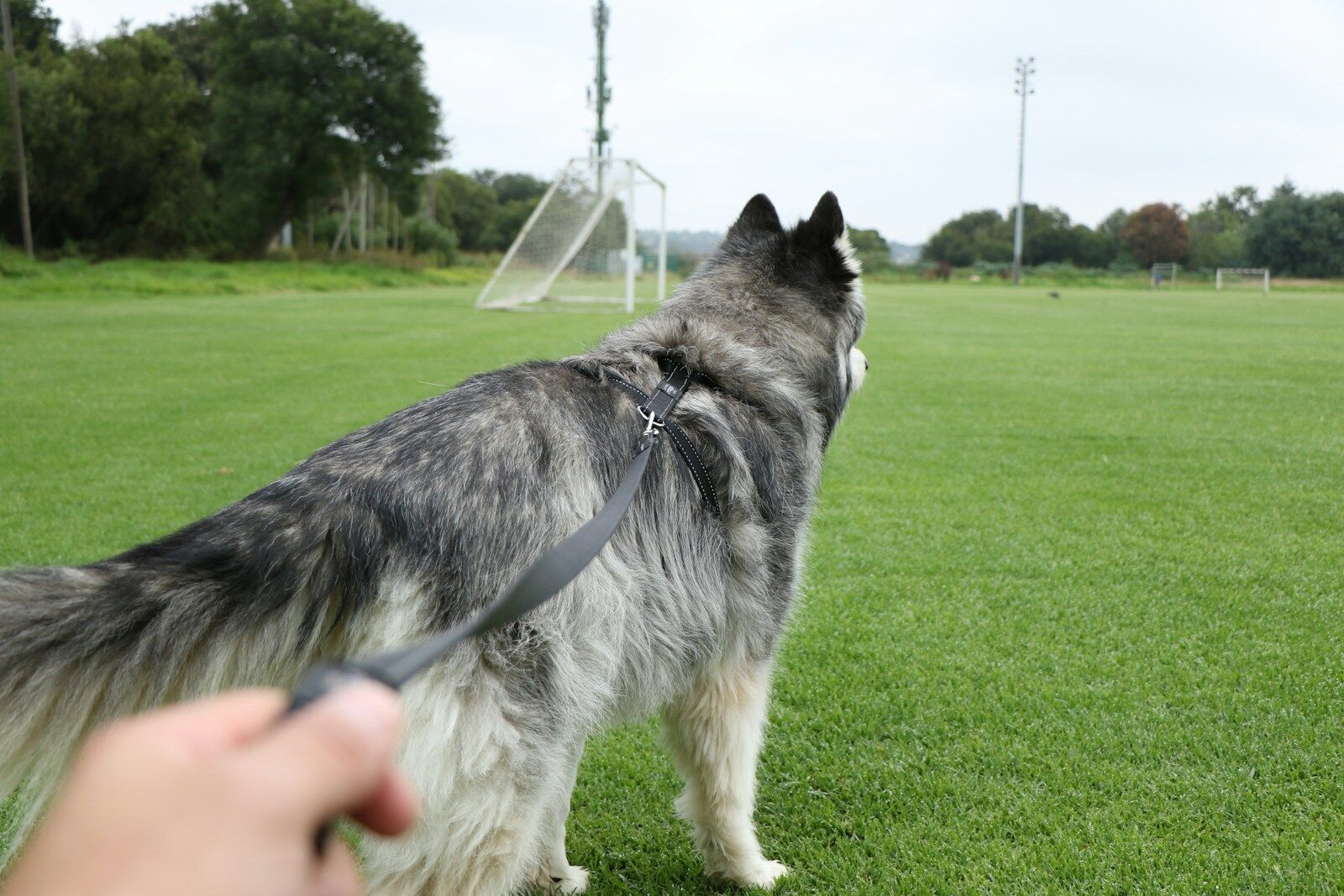
Hip dysplasia is one of the most common orthopaedic conditions in dogs, particularly in larger breeds. Many owners manage early symptoms at home with rest, joint supplements, and gentle exercise. But there comes a point when home care simply isn’t enough — and recognising that point early can make a real difference to your dog’s comfort and long-term health.
Here are five clear signs that it’s time to stop managing this condition on your own and seek professional veterinary support.
1. Limping That Won’t Go Away
Occasional stiffness after a long walk is one thing. A persistent limp that shows up daily — especially first thing in the morning or after any period of rest — is something else entirely. This kind of ongoing lameness usually signals that joint inflammation is no longer coming and going. It’s becoming a constant.
If your dog has been limping on and off for more than two weeks, or if a limp that was intermittent has now become permanent, a professional assessment is overdue. X-rays can reveal exactly what’s happening in the joint and guide the right course of treatment.
2. Pain Medication Isn’t Helping
Some dogs are already on anti-inflammatory medication or pain relief prescribed by a vet. But if that medication no longer seems to be keeping your dog comfortable — if they’re still reluctant to move, still wincing when they stand, still sleeping more than usual — the current treatment plan needs reviewing.
Pain that breaks through medication is a sign that the underlying condition has progressed. A vet or veterinary specialist may recommend adjusted dosing, a different drug class, or additional therapies like physiotherapy or acupuncture to fill the gap.
3. Visible Muscle Loss in the Back Legs
Muscle wasting in the hindquarters is a physical sign that your dog has been favouring one or both back legs for some time. When a limb is used less because it hurts, the muscles around it begin to shrink from lack of use. You might notice one thigh looks visibly thinner than the other, or that your dog’s back end looks narrower overall.
This matters beyond appearance. Muscle loss reduces joint stability, which accelerates deterioration. Rebuilding that muscle requires a structured rehabilitation programme — something that really needs professional guidance to do safely and effectively.
4. Quality of Life Is Clearly Suffering
This one is harder to quantify but easy to feel as an owner. Your dog has stopped doing the things they used to love. They don’t greet you at the door anymore. They show no interest in walks, play, or interaction. Sleep has become disturbed, or they’ve become withdrawn and irritable.
When quality of life drops noticeably, it’s a strong signal to speak with a professional about how to treat hip dysplasia in dogs at a clinical level, because there are often more options available than owners realise — from targeted injections to surgical solutions that can restore real comfort.
Resources like MedCoVet walk through the full range of treatment pathways in plain language, which can help you go into that vet conversation better prepared.
5. The Condition Is Affecting a Young Dog
Hip dysplasia isn’t only a condition for senior dogs. It’s commonly diagnosed in dogs under two years old, particularly in large and giant breeds like German Shepherds, Golden Retrievers, Rottweilers, and Labradors. When a young dog is affected, early professional intervention is especially important.
According to the Orthopedic Foundation for Animals, hip dysplasia affects roughly 20% of dogs overall, with some breeds showing rates as high as 70%. In young dogs, surgical options are often far more effective the earlier they’re performed — waiting can narrow the window for the most impactful treatments.
What Professional Care Actually Involves
Many owners hold back from seeking specialist help because they’re unsure what it entails or worry about cost. In reality, professional care for hip dysplasia exists on a spectrum. A consultation doesn’t automatically mean surgery.
Depending on the assessment, your vet or specialist may recommend:
- Updated X-rays or CT imaging to assess joint deterioration accurately
- Hydrotherapy or canine physiotherapy to rebuild muscle and reduce pain
- Platelet-rich plasma (PRP) or stem cell therapy for joint repair
- A revised medication plan that targets current pain levels more effectively
- Surgical options such as total hip replacement or femoral head ostectomy
None of these decisions needs to be made on the spot. A professional assessment simply gives you a clearer picture of where your dog is and what options are genuinely on the table.
Final Thoughts
Hip dysplasia is a condition that rewards early action. The longer significant symptoms go unaddressed, the fewer options you may have — and the harder it becomes to restore your dog’s comfort and mobility.
If any of the five signs above sound familiar, trust that instinct. A vet visit is always worth it. Your dog can’t tell you how much they’re hurting — but you can choose to find out, and act on it.




Leave A Comment