
Have you ever looked around your home and thought, when did everything start looking so… tired? Maybe the floors are dull, the walls are scuffed, or the bathroom still screams the ’90s. Homes, like anything else, need upkeep, but life gets busy, and updates often get pushed aside.
With rising home prices and high interest rates, moving isn’t always practical. More homeowners are choosing to invest in upgrades instead, especially in places like Cincinnati, where older homes come with charm—but also wear and tear.
So, how do you know when it’s time for a refresh? Don’t know the answer? Don’t worry! In this blog, we will share how to take your home from worn-out to wow, one upgrade at a time.
When Small Problems Start Adding Up
A single leaky faucet isn’t a big deal. A flickering light? Probably just a bad bulb. But when little issues start piling up, they create an environment that feels neglected. One day, you notice the paint is chipping. Then, you realize the grout in the bathroom is stained beyond repair. Before you know it, your home feels more like a collection of problems than a comfortable retreat.
The reality is, homes don’t fall apart overnight. Wear and tear happen slowly, making it easy to ignore at first. That’s why catching small issues early is key. A well-maintained home doesn’t just look better—it functions better, too.
Of course, some updates require more than just a weekend project. Bathrooms, for example, see daily use and wear down faster than most spaces. If your shower feels cramped, your tiles are cracking, or your sink barely drains, it might be time for a full remodel. Working with a reliable Cincinnati bathroom remodeling company allows homeowners to upgrade with walk-in showers, stylish vanities, and energy-efficient fixtures. A well-designed bathroom isn’t just a luxury—it’s a daily upgrade that makes mornings easier and evenings more relaxing.
Remember that simple updates like fixing leaks, repainting walls, or upgrading fixtures can make a space feel brand new without a full remodel!
Prioritizing Upgrades That Make a Difference
Not every update needs to be a full-scale renovation. The key to home improvement is knowing where to invest your time and money. Some upgrades add immediate comfort and efficiency, while others boost long-term value.
The kitchen is often the heart of the home, but if yours feels outdated or dysfunctional, cooking can feel like a chore. Small changes, like new cabinet hardware or better lighting, can have a big impact. But if the layout makes no sense or the appliances are decades old, a larger remodel may be worth considering.
Floors are another high-impact upgrade. Worn-out carpet can make an entire house feel outdated, while scratched-up hardwood can take away from a home’s charm. Refinishing floors or replacing old carpet with modern materials instantly refreshes a space.
Lighting is one of the most overlooked but essential elements of home design. Poor lighting makes even well-decorated rooms feel dull. Swapping old light fixtures for modern, layered lighting adds warmth and character.
Storage solutions can also make a big difference. If clutter is taking over your home, adding built-in shelves, custom closets, or smart storage systems can help you reclaim space. A home that feels organized automatically feels more inviting.
Curb Appeal Still Matters
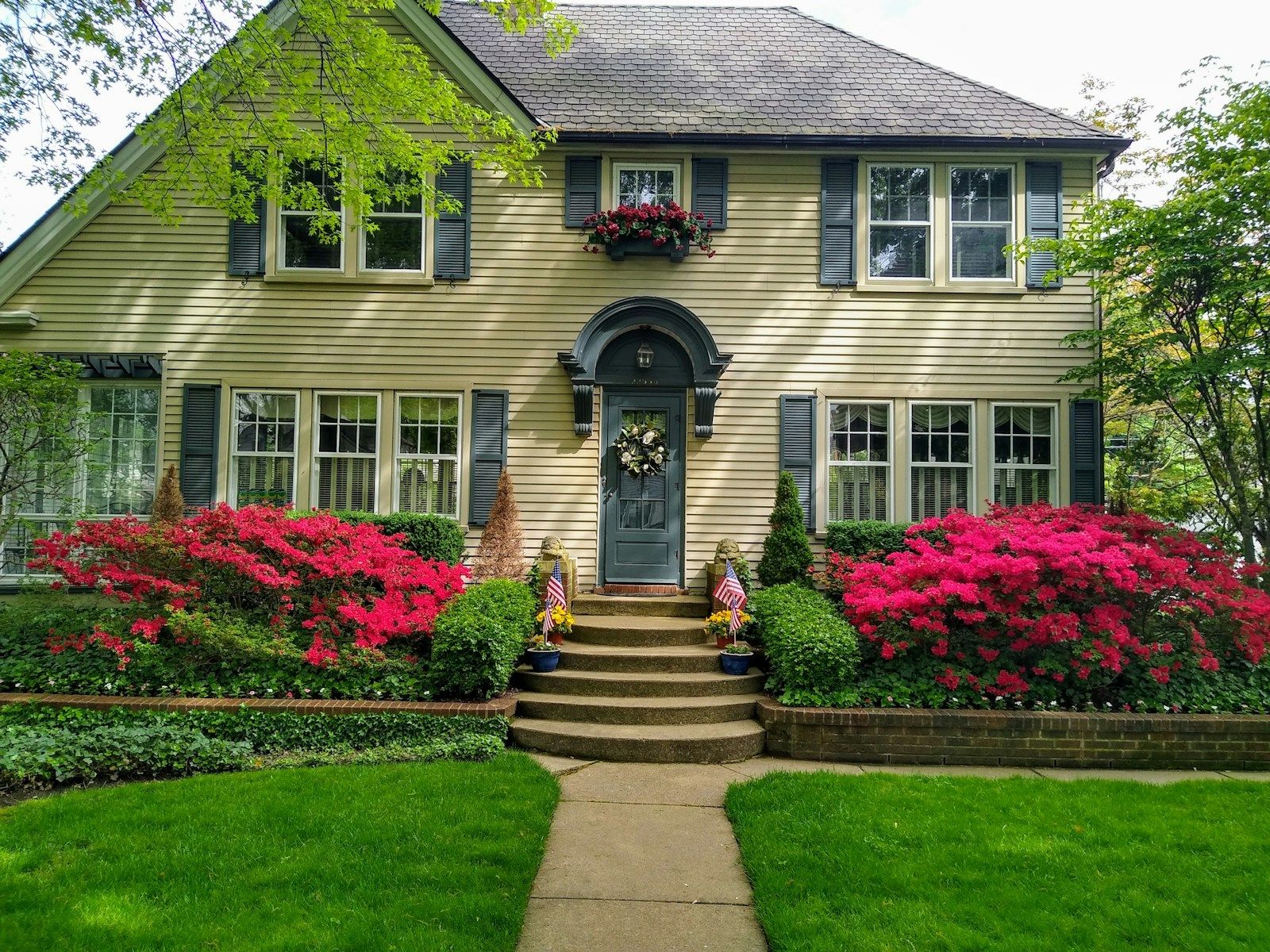
It’s easy to focus only on what’s inside, but the outside of your home deserves attention, too. Curb appeal and first impressions matter—whether for guests, potential buyers, or even just yourself when pulling into the driveway.
Peeling paint, cracked sidewalks, or an overgrown yard can make a home feel neglected. Small upgrades, like power-washing the exterior, repainting the front door, fixing broken or damaged garden fences secured with Durapost metal fence posts, can make a world of difference.
Outdoor living spaces are also gaining popularity. A well-designed patio, fire pit, or garden area turns a backyard into an extension of the home. Even something as simple as better outdoor lighting can transform the way a space is used.
Keeping Comfort and Efficiency in Mind
A home should be more than just nice to look at—it should also be comfortable and energy-efficient. If your heating and cooling bills keep climbing, it might be time for insulation upgrades, better windows, or even a more efficient HVAC system.
Smart home technology is another way to improve functionality. From smart thermostats to automated lighting, small tech upgrades can make daily life more convenient. These features aren’t just trendy—they also help cut costs in the long run.
For those planning to stay in their homes long-term, aging-in-place features are becoming more common. Wider doorways, step-free showers, and accessible storage solutions make homes more adaptable as needs change over time.
The Emotional Side of Home Upgrades
Home improvement isn’t just about practicality—it’s also about how a space feels. A home should reflect the people who live in it. Over time, personal style evolves, and a space that once felt perfect may now feel disconnected from who you are.
Customizing your home doesn’t have to mean major renovations. Even small personal touches—like rearranging furniture, incorporating favorite colors, or displaying meaningful artwork—can make a space feel more like you.
Sometimes, the best upgrades are the ones that improve daily life in small but meaningful ways. Maybe it’s finally getting that cozy reading nook you’ve always wanted. Or turning an unused corner into a workspace that makes remote work easier. A dream home isn’t about size or budget—it’s about creating a space that enhances everyday living.
The bottom line? Turning a home from worn-out to wow doesn’t have to happen all at once. Small upgrades, thoughtful renovations, and routine maintenance all add up over time. The key is knowing where to start and focusing on what will make the biggest difference.
A well-cared-for home isn’t just about appearances—it’s about function, comfort, and long-term value. With the right upgrades, any home can feel fresh, modern, and perfectly suited to the people who live there. And in the end, that’s what truly makes a house feel like home.



Leave A Comment