
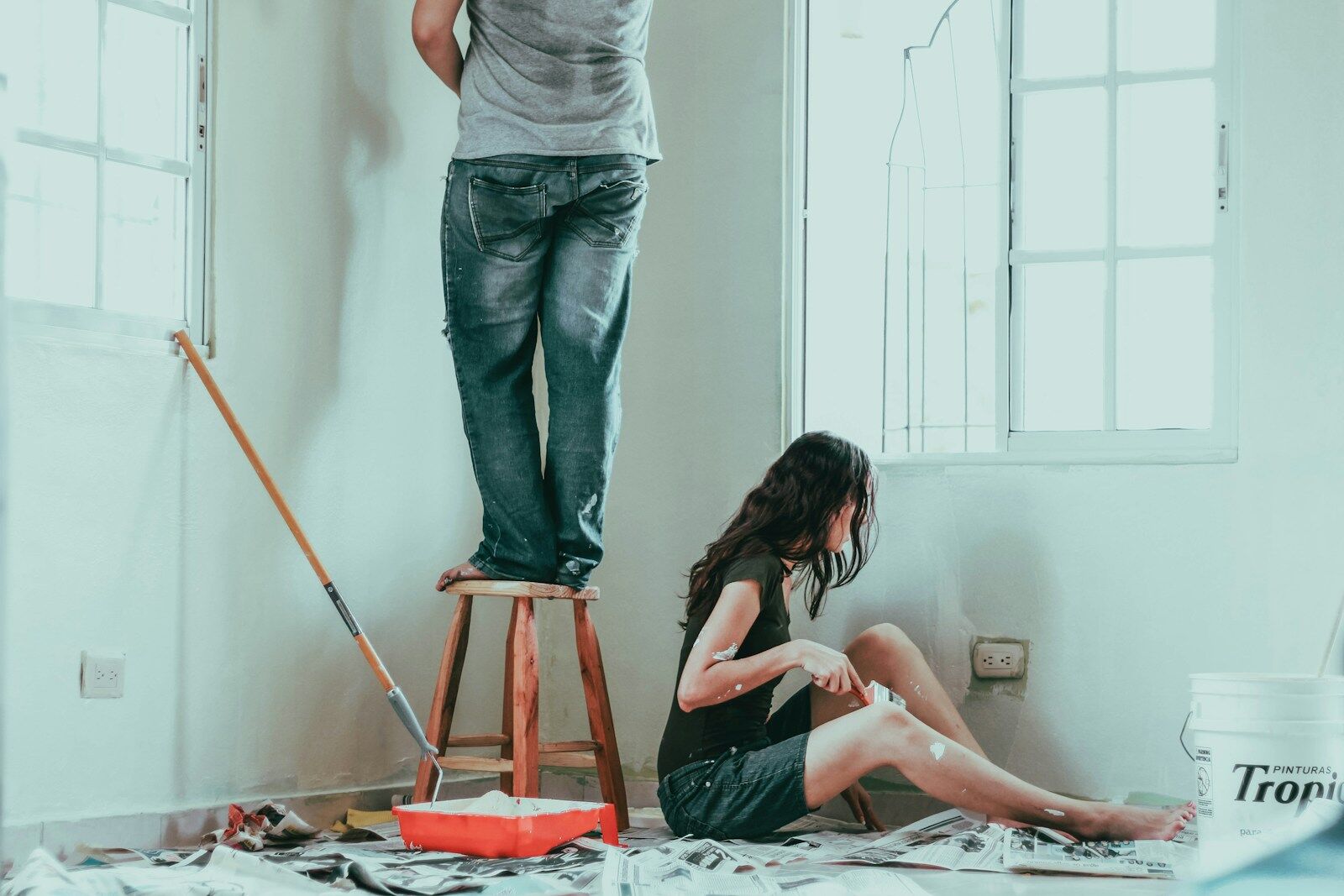
Home renovations can improve comfort, increase property value, and make your home more functional for a growing family. However, renovation projects also introduce temporary hazards that can put children at risk if proper precautions are not taken. From dust and debris to exposed wiring and sharp tools, it is important to plan ahead and create a safe environment throughout the project. These home renovation safety tips will help parents protect their families while keeping their remodeling plans on track.
1. Check for Hidden Hazards Before Demolition
Older homes may contain materials that require professional evaluation before any walls, flooring, or ceilings are removed. If your home was built decades ago, it is worth learning how long asbestos testing takes so you can schedule inspections before demolition begins. Taking this step helps prevent unnecessary delays while reducing the risk of exposing your family to hazardous materials during the renovation process.
2. Keep Children Away From the Work Area
Construction zones are not safe places for children to play or explore. Temporary barriers, locked doors, or safety gates can help prevent accidental access to rooms where work is taking place. Make sure contractors know that children live in the home so they can secure tools, ladders, and equipment whenever they leave the area.
If possible, establish one section of the house as a renovation-free zone where your children can play, read, or complete homework without being exposed to construction activity.
3. Control Dust Throughout the Project
Renovation dust can spread much farther than many homeowners expect. Fine particles may travel through open doorways and ventilation systems, affecting indoor air quality throughout the home.
Use plastic sheeting to isolate work areas and ask contractors about dust containment practices. Regularly vacuum with a HEPA filter and wipe surfaces with damp cloths to reduce the amount of dust circulating inside your home.
4. Store Tools and Materials Safely
Power tools, nails, paint, adhesives, and other construction materials should never be left within a child’s reach. Even small items such as screws or utility blades can become serious safety hazards.
At the end of each workday, confirm that all equipment has been stored securely and that hazardous products are sealed and placed in locked cabinets or designated storage areas.
5. Watch for Electrical and Trip Hazards
Temporary extension cords, exposed wiring, uneven flooring, and scattered construction materials increase the risk of accidents for both children and adults.
Walk through the renovation area daily to identify potential hazards. Keeping pathways clear and maintaining good lighting can help prevent slips, trips, and falls while work is underway.
6. Maintain Good Ventilation
Many renovation products release fumes that can linger indoors, including paint, stains, adhesives, and sealants. Open windows when weather permits and use fans to improve airflow during and after installation.
Choosing low-VOC products whenever possible can also help reduce indoor air pollutants, making the environment safer for young children and other family members.
7. Have an Emergency Plan
Even well-managed renovation projects can involve unexpected situations. Keep a fully stocked first aid kit in an easily accessible location and make sure emergency contact numbers are readily available.
Review household safety rules with your children, including which areas are off limits and what to do if they encounter construction materials. Simple reminders can reinforce safe habits and reduce the chance of accidents during the project.
Conclusion
A successful home renovation should improve your family’s living space without compromising safety along the way. By planning ahead, controlling potential hazards, and supervising children carefully, parents can significantly reduce the risks associated with remodeling. Taking a proactive approach allows everyone to enjoy the benefits of a newly renovated home with greater confidence and peace of mind.




Leave A Comment