

Laparoscopic surgery is a surgical technique that has transformed contemporary medical practices. Also known as keyhole surgery, this procedure enables surgeons to conduct intricate procedures via small incisions, considerably shortening recovery periods and lowering the likelihood of complications compared to conventional surgical methods.
This article will explain laparoscopic surgery, what to expect before, during, and after the procedure, and how it compares to other surgical techniques. Continue reading for more.
This is a sponsored article.
What Is Laparoscopic Surgery?
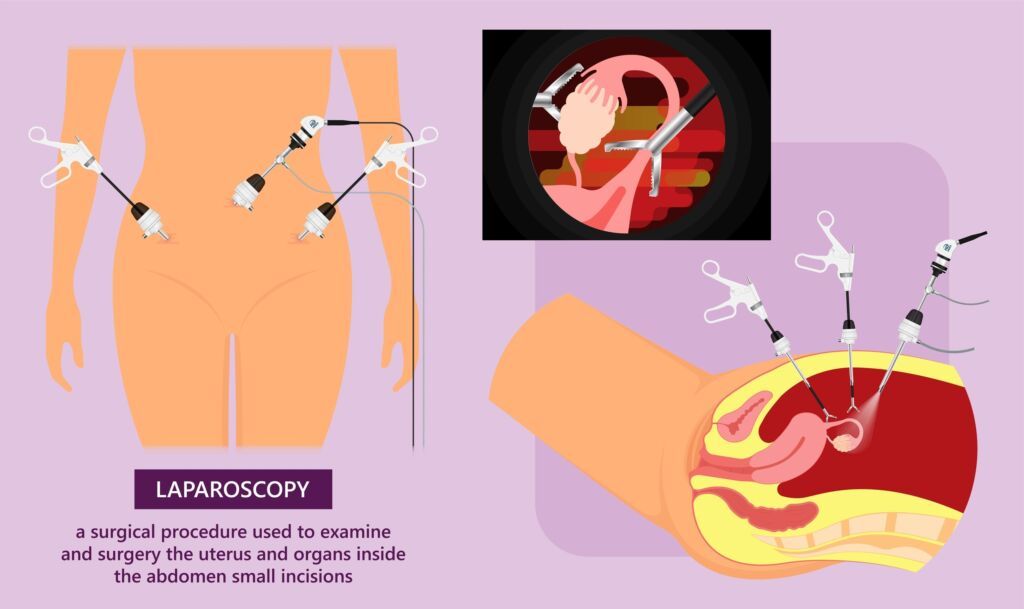
Laparoscopic surgery utilizes a miniature video camera known as a laparoscope, which is introduced into the abdominal cavity via a small incision. This laparoscope delivers a comprehensive view of the internal organs on a video monitor, enabling the surgical team to maneuver their instruments with accuracy.
This method is widely used for a variety of procedures, including laparoscopic surgery for infertility. In contrast to conventional open surgery, which requires larger incisions, this type of surgery provides benefits such as quicker recovery times, reduced scarring, and shorter durations of hospitalization.
The Surgical Procedure: Step-by-Step
Understanding the step-by-step process of laparoscopic surgery can help you feel more prepared and confident before undergoing the procedure. Each stage of the surgery, from the initial preparation to the final closure of the incisions, is meticulously planned to ensure precision and minimize risks.
Here’s a snapshot of the surgical procedure:
1. Preparation
Prior to the surgical procedure, your healthcare provider will conduct a physical exam and may add some imaging tests, including an ultrasound or MRI, to evaluate the area of concern. You’ll receive specific instructions regarding diet, medications, and what to expect on the day of surgery. If your body mass index (BMI) is high, your provider might discuss how this could affect the procedure.
2. Anesthesia
The surgery involves general anesthesia, so you remain unconscious and pain-free during the operation. Once on the operating table, a small cut is made near your belly button to insert the laparoscope.
3. Creating Space
Carbon dioxide gas is introduced to provide a clear view of the abdominal cavity. This inflates the abdomen and creates space between the abdominal wall and internal organs. This step is crucial for allowing the surgical team to work with precision.
4. Performing the Surgery
Depending on the reason for the surgery—whether it’s to treat endometriosis, address an ectopic pregnancy, or perform a tubal ligation—additional small incisions are made to insert surgical instruments. The surgeon uses these tools, guided by the video monitor, to perform the necessary procedures. For instance, in cases of intestinal surgery or pelvic inflammatory disease, delicate work is required to avoid damaging surrounding tissues.
5. Closing Up
Once the procedure is complete, the carbon dioxide gas is released, and the small cuts are closed with sutures or surgical glue. The incision site is then covered with a sterile dressing.
After the surgery is complete and the small cuts are closed, you’ll be monitored as you wake up from anesthesia, marking the end of the surgical process. With the procedure behind you, your focus will shift to recovery, where your body will begin to heal from the surgery.
Recovery and What to Expect Post-Surgery
Most patients experience some discomfort at the incision sites, but this typically subsides within a few days. Meanwhile, the introduction of carbon dioxide may occasionally lead to shoulder discomfort due to diaphragm irritation. However, this condition is typically transient.
One significant benefit of laparoscopic surgery is the quicker return to normal activities. Many patients can return to light activities after a few days and achieve full recovery within a period of two to three weeks. Compared to invasive procedures like open surgery, laparoscopic surgery results in smaller scars, a shorter hospital stay, and a faster recovery time.
Risks and Complications
Like many surgical procedures, laparoscopic surgery comes with potential risks. While complications are rare, they can include infections at the incision site, bleeding, or injury to internal organs. Scar tissue from previous surgeries can also make the procedure more challenging. Additionally, the use of carbon dioxide gas carries a small risk of complications, though these are typically minor and manageable.
It’s essential to discuss all possible complications with your healthcare provider before the surgery. They will guide you on what to watch for during recovery and when to seek medical attention.
Laparoscopic vs. Traditional and Robotic Surgery
Laparoscopic surgery is often compared to other surgical techniques like traditional open surgery and robotic surgery. While open surgery requires large incisions and longer recovery times, laparoscopic surgery offers numerous advantages, such as smaller incisions, reduced scarring, and faster recovery. On the other hand, robotic surgery, which uses robotic arms controlled by the surgeon, provides even greater precision and flexibility, particularly in complex procedures. However, it’s typically more expensive and may only be available in some hospitals.
In contrast, laparoscopic surgery strikes a balance between the invasiveness of open surgery and the advanced technology of robotic surgery. It’s a preferred option for many procedures, including diagnostic laparoscopy, where a small tissue sample is taken to diagnose conditions like endometriosis or pelvic inflammatory disease.
Conclusion
Laparoscopic surgery has transformed the way many surgical procedures are performed, offering a less invasive option with quicker recovery times and fewer complications. Whether you’re having laparoscopic surgery for infertility, intestinal issues, or another medical condition, gaining a clear understanding of the procedure and what to anticipate can alleviate concerns and promote a more seamless recovery. Always follow your healthcare provider’s specific instructions before and after surgery to achieve the best possible outcome.





Leave A Comment