
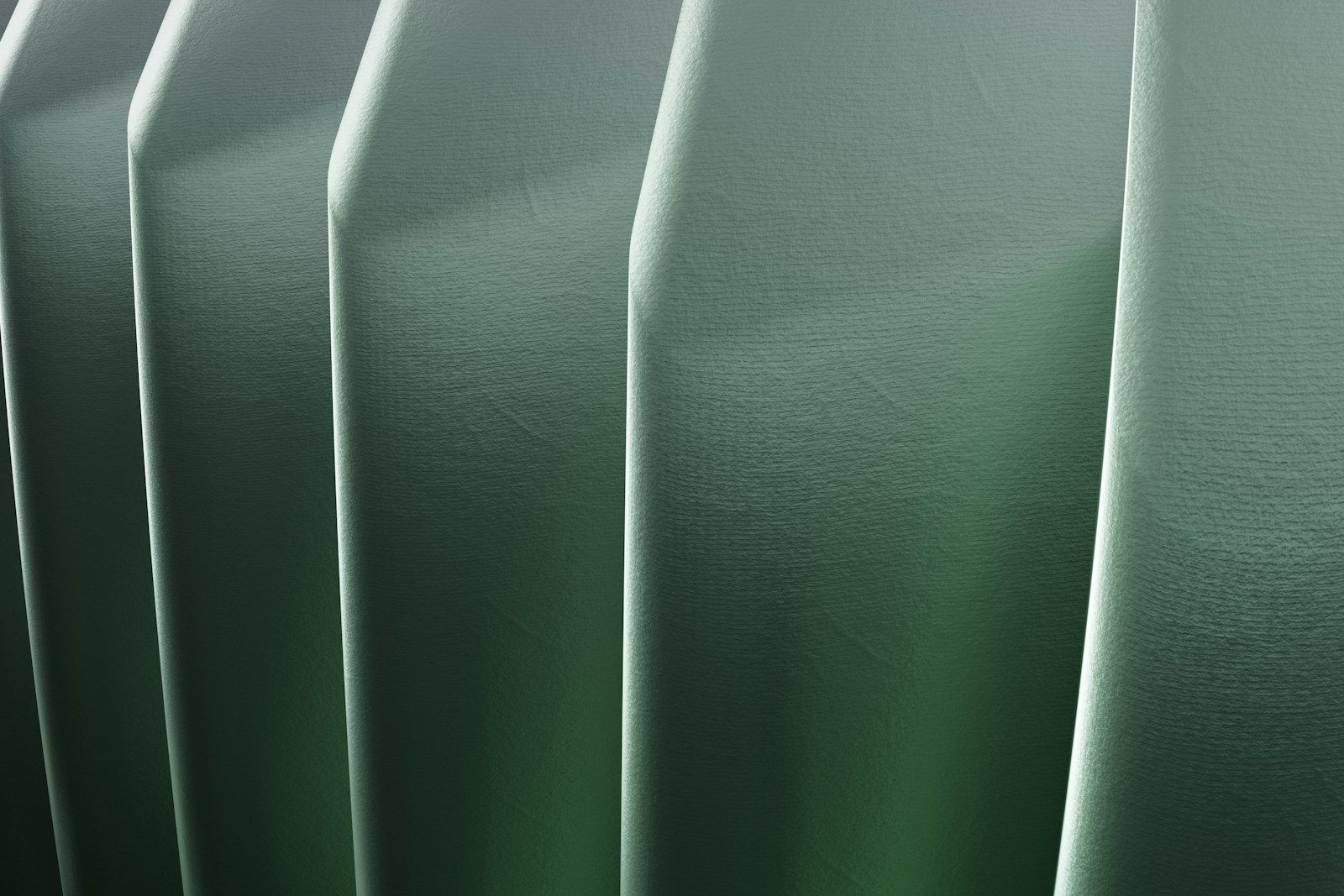
Installing wave curtains can feel like a breeze—until you realize that even small missteps can throw off their smooth, flowing look. If you’re like most of us, you want those clean, modern waves to hang perfectly, but getting them right takes more than just hanging up a rod and draping the fabric. From choosing the right components to double-checking measurements, there are a few critical details to watch out for if you want your wave curtains to look as good in your home as they do in your imagination.
Choosing high-quality materials is essential for achieving the desired wave effect. The fabric’s weight and texture play a crucial role in how the curtains hang, so opting for a medium to heavy fabric will ensure the waves remain crisp and consistent. Lighter fabrics may not hold the shape of the wave as well, causing the folds to collapse or become uneven. For example, choosing fabrics like velvet, linen, or a heavier blend for Direct Fabrics wave curtains helps achieve a more defined yet fluid drape with gentle, structured folds. These options maintain their form while allowing for natural flow, giving the curtain a modern, tailored look. The right weight ensures that the waves hold their shape, adding depth and elegance to the overall aesthetic of the room.
Avoiding these pitfalls ensures that your wave curtains will hang beautifully and function smoothly for years to come. By taking the time to understand the installation process and following expert guidelines, you can achieve a professional-looking result that enhances your home’s overall aesthetic.
Wave Curtain Considerations
- Select high-quality components and ensure precise measurements for optimal wave curtain installation.
- Properly secure brackets and tracks to support the weight of the curtains
- Dress the curtains carefully after hanging to create uniform, rippling folds
Selecting the Right Components for Wave Curtains
Choosing the proper components is crucial for achieving the perfect wave curtain look. The right track, curtain length, and fabric all play essential roles in creating a stunning window treatment.
Choosing the Correct Curtain Track or Rod
Wave curtains require specialized tracks or rods designed to create their signature ripple effect. Silent Gliss offers popular options like the 6840 manual track and 3840 corded track. These tracks feature precise glider spacing to ensure uniform waves. When selecting a track, consider the window size and curtain weight. For large windows, a corded track may be easier to operate. Ensure the track is securely mounted using proper brackets and screws to support the curtain weight.
Key features of wave curtain tracks:
- Specific glider spacing
- Smooth operation
- Adequate weight capacity
Determining the Optimal Wave Curtain Length
Curtain length significantly impacts the overall appearance of wave curtains. Measure from the top of the track to where you want the curtains to end. Common lengths include:
- Sill length: Ending at the window sill
- Apron length: Extending 4-6 inches below the sill
- Floor length: Barely touching or hovering 1/2 inch above the floor
For a luxurious look, consider puddle length, where curtains extend 1-3 inches onto the floor. Remember to account for any shrinkage after washing when choosing fabric and determining length.
Selecting the Appropriate Curtain Fabric
The fabric choice affects how well the wave pattern forms and drapes. Opt for lightweight to medium-weight fabrics that hold their shape without being too stiff. Sheer curtains work beautifully with wave tracks, creating an ethereal effect.
Fabric considerations:
- Weight: Light enough to form waves, heavy enough to maintain shape
- Texture: Smooth fabrics typically work best
- Care: Easy-care fabrics for long-lasting beauty
When selecting curtain fabric, consider the room’s decor and desired level of light filtration. Test fabric samples on your chosen track to ensure they create the desired wave effect before making a final decision.
Proper Installation and Maintenance for Longevity
Installing wave curtains correctly and maintaining them properly are crucial for their longevity and optimal performance. Attention to detail during installation ensures a beautiful wave effect, while regular upkeep keeps the curtains functioning smoothly for years to come.
Installing the Curtain Rod or Track with Precision
Precise rod or track installation is the foundation for stunning wave curtains. Measure the window width carefully and add 8-12 inches on each side for fullness. Mark the bracket positions using a level to ensure perfectly straight alignment.
For tracks, secure them firmly to the ceiling or wall. Use appropriate anchors for your surface type. Space the brackets evenly, typically every 16-24 inches, to support the curtain’s weight.
Test the rod or track before hanging curtains. It should glide smoothly without catching or sagging. Lubricate any moving parts with a dry silicone spray for optimal performance.
Hanging Wave Curtains for Desirable Wave Effect
Achieving the ideal wave effect requires proper curtain preparation. Start by measuring your rod or track length and multiply by 2.5 for fullness. This ensures enough fabric for graceful waves.
Use wave tape or special wave hooks spaced evenly along the curtain header. For tracks, clip carriers should be pre-installed at regular intervals. Attach curtains to these carriers, ensuring even distribution.
Gently pull the curtains along the rod or track, adjusting folds for uniformity. The waves should fall naturally, creating soft, consistent curves. Avoid over-manipulation, as this can disrupt the intended flow.
Routine Maintenance for Smooth Operation
Regular maintenance keeps wave curtains looking fresh and operating smoothly. Vacuum curtains monthly using a brush attachment to remove dust and debris. For deeper cleaning, follow the manufacturer’s care instructions.
Inspect the rod or track system quarterly. Tighten any loose screws and lubricate moving parts as needed. Check curtain attachments for wear and replace if necessary.
Rotate curtains periodically to distribute wear evenly, especially in high-sun areas. This prevents fading and maintains fabric integrity. When opening or closing, handle curtains gently to preserve their wave formation and prevent strain on the hardware.
Conclusion
Installing wave curtains requires careful attention to detail. Proper measurement, fabric selection, and track installation are crucial for an elegant look. Regular maintenance helps preserve their appearance and functionality over time. By avoiding common pitfalls and following best practices, homeowners can enhance their spaces with beautiful wave curtains.






Leave A Comment