

Breathing is something we rarely think about—until it becomes difficult. From busy cities like Seattle to quieter rural areas, countless individuals experience restricted airflow due to conditions like a deviated septum, narrow nasal passages, or enlarged turbinates. These issues make breathing harder and can lead to snoring, poor sleep, and frequent sinus infections.
If nasal discomfort has become a daily challenge, it may be time to understand what’s really causing it. Let’s explore the connection between nasal structure and breathing comfort, along with the solutions that can help restore effortless airflow.
How Nasal Structure Affects Breathing
The nose does more than allow air in and out—it filters, warms, and humidifies the air before it reaches the lungs. A well-functioning nasal structure ensures smooth airflow and proper oxygen intake. However, when there is a physical obstruction, even slightly, breathing can become a daily challenge.
Several structural issues can affect nasal airflow, including:
- Deviated septum – When the thin wall separating the nostrils is off-centre, it can partially block one or both nasal passages.
- Nasal valve collapse – Weak cartilage in the nostrils can cause them to collapse while breathing in, restricting airflow.
- Enlarged turbinates – These structures inside the nose help filter air, but when they swell, they can make breathing difficult.
- Crooked nasal bones – Injuries or genetics can cause the nose bones to be misaligned, limiting airflow.
These issues don’t just affect breathing; they can also impact sleep, energy levels, and overall well-being.
Solutions for Structural Nasal Problems
Depending on the severity of the issue, there are several ways to improve breathing. Some people find relief through non-surgical options, while others may need medical procedures to correct structural problems.
1. Medical and Surgical Options
When breathing issues stem from structural problems, temporary fixes like nasal sprays or strips can only do so much. For long-term relief, medical intervention may be the best option.
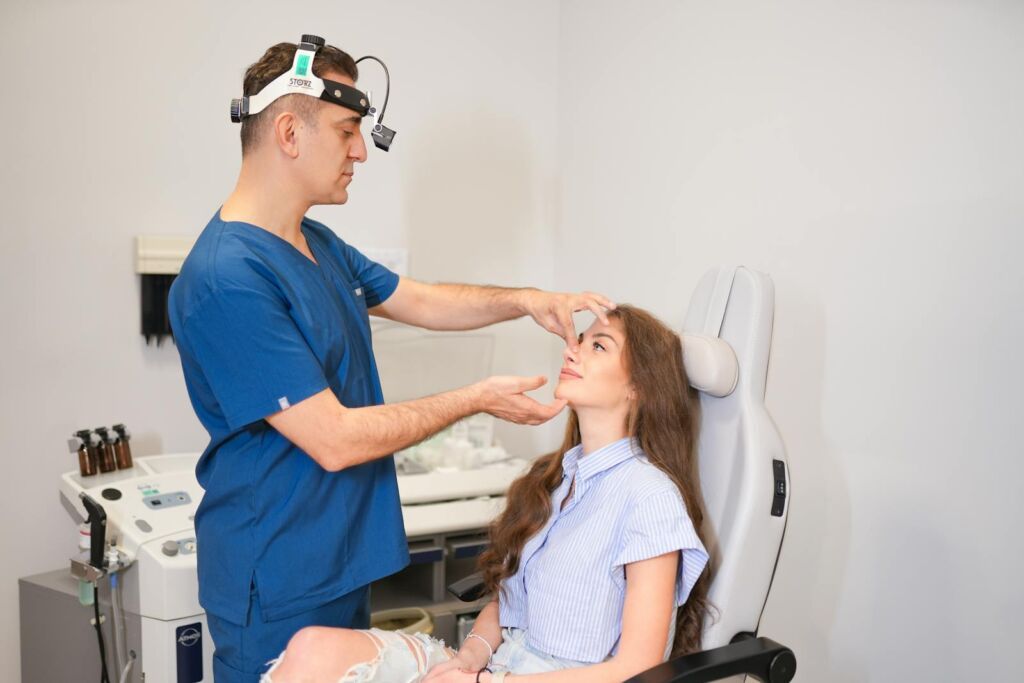
One of the most effective treatments is rhinoplasty, a procedure that reshapes the nose to improve both function and appearance. While many associate it with cosmetic enhancements, others who have undergone rhinoplasty in Seattle emphasize its role in correcting issues such as a deviated septum, nasal valve collapse, or airway blockages. By adjusting the bone, cartilage, or tissue, the surgery helps open nasal passages, allowing for smoother airflow and easier breathing.
However, it’s crucial to have the procedure performed by an experienced specialist who understands both aesthetics and function. A well-executed rhinoplasty ensures natural results while significantly improving airflow and overall comfort.
2. Non-Surgical Solutions
Not everyone with breathing issues needs surgery. In many cases, small adjustments can improve airflow and make breathing easier. If nasal congestion, snoring, or discomfort disrupt daily life, trying non-surgical solutions is a smart approach.
For starters, these strips can help open the nostrils, making it easier to breathe, especially at night. Saline sprays and humidifiers keep nasal passages moist, reducing irritation and congestion. If allergies are a trigger, antihistamines or allergy-proofing your home can make a noticeable difference.
Lifestyle changes also help. Staying hydrated, avoiding irritants like smoke, and sleeping with your head slightly elevated can reduce nose blockages. While these solutions aren’t permanent fixes for structural issues, they can provide relief and improve breathing without medical intervention.
How Improving Nasal Structure Enhances Breathing and Overall Well-Being
A well-functioning nasal structure does more than just improve airflow—it impacts overall health and daily comfort. When breathing is effortless, the body functions better, leading to several significant benefits.
- Better Sleep Quality – Clear nose passages reduce snoring and sleep disturbances, helping you wake up refreshed. Studies show that obstructed breathing can lead to poor sleep and even conditions like sleep apnea.
- Improved Oxygen Intake – Proper airflow ensures your body gets the oxygen it needs, leading to better energy levels, focus, and athletic performance. Restricted airflow can cause fatigue and decreased concentration.
- Fewer Sinus Infections – Blocked nasal passages trap bacteria and mucus, increasing the risk of sinus infections. A well-aligned nasal structure allows for proper drainage and reduces inflammation.
- Less Mouth Breathing – Chronic congestion forces many to breathe through their mouth, leading to dry throat, bad breath, and even dental issues. Correcting structural problems helps maintain natural nasal breathing.
- Enhanced Quality of Life – Easier breathing means more comfort in daily activities, whether exercising, working, or simply relaxing. When your airways function properly, you feel better overall.
Final Thoughts
We hope it’s now clear how closely the nasal structure and breathing comfort are linked. If you’re experiencing constant congestion or difficulty breathing, don’t ignore it—consult a specialist and explore your options for lasting relief.





Leave A Comment