
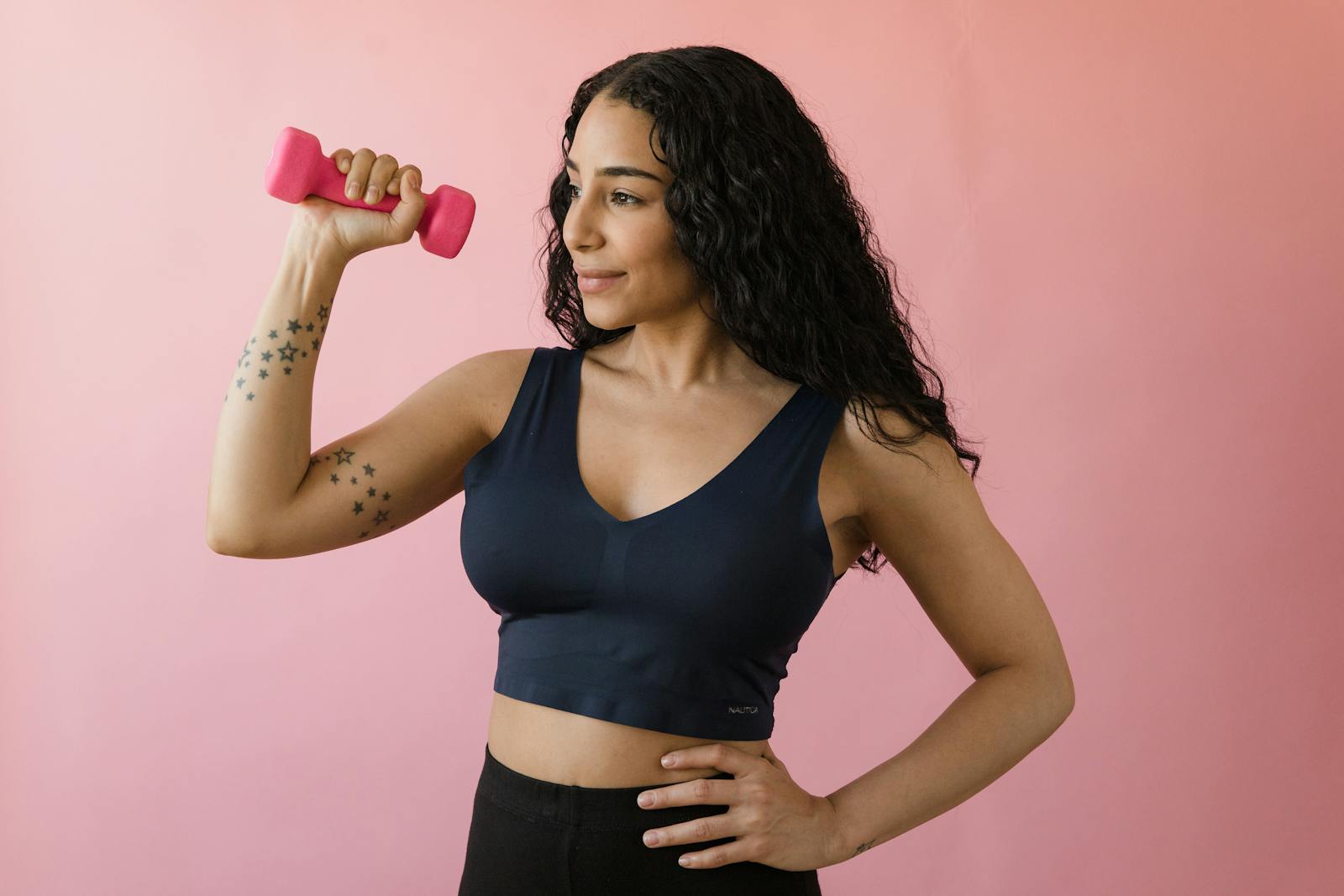
When it comes to building muscle, variety is key. Dumbbells and barbells each bring unique benefits to your strength training routine. Dumbbells can target smaller stabilising muscles, and barbells, ideal for larger muscle groups, can be a game-changer when combined. This dual approach accelerates muscle growth and improves overall strength, making it a smart choice for an effective workout.
Who Benefits from Muscle Growth by Using Barbells and Dumbells
Combining dumbbells and barbells can benefit a wide range of people aiming for muscle growth, strength, and functional fitness. Here’s a breakdown of who can gain the most from this approach and how it can specifically help them:
1. Beginners
- Balanced Muscle Development: Using both dumbbells and barbells allows beginners to work on symmetrical muscle growth. Dumbbells help correct strength imbalances between the left and right sides, while barbells allow for controlled, heavier lifts that stimulate muscle growth.
- Learning Stability and Form: Dumbbells require more stability, which engages smaller stabilizing muscles and improves form, making the transition to heavier barbell exercises safer.
2. Bodybuilders
- Hypertrophy (Muscle Growth): Bodybuilders often combine barbell and dumbbell exercises to maximize muscle fiber recruitment. Barbells are ideal for heavy, compound lifts that stimulate overall muscle growth, while dumbbells allow for isolated movements and a better range of motion, which helps shape the muscle.
- Isolation and Variation: Dumbbells offer unique angles and targeting options for specific muscle groups that are harder to isolate with barbells, such as the chest, shoulders, and biceps.
3. Athletes
- Functional Strength: Dumbbell exercises are typically more functional because they often mimic natural movement patterns and demand balance and coordination. Barbell lifts, such as squats and deadlifts, build core strength and power that’s useful for sports.
- Power and Explosiveness: Combining dumbbells and barbells helps athletes train for explosiveness and stability. For instance, barbell squats can build raw leg power, while dumbbell lunges or step-ups improve balance and leg endurance.
4. Strength Enthusiasts and Powerlifters
- Overloading with Barbells: For those focusing on increasing their one-rep max, barbells allow for heavier lifts like squats, deadlifts, and bench presses, which are key to building maximal strength.
- Accessory Work with Dumbbells: Dumbbells are great for accessory work, allowing lifters to target weaker muscle groups and improve stability, which can enhance barbell performance and reduce the risk of injury.
5. Older Adults
- Joint-Friendly Options: Dumbbells are often easier on the joints and allow for more natural movement patterns, which is beneficial for older adults who may have limited flexibility or past injuries.
- Improved Balance and Coordination: Training with dumbbells can improve balance and coordination, reducing the risk of falls. Barbell lifts can still build core and overall body strength, important for daily functional activities.
6. People Recovering from Injury
- Controlled Movement: Dumbbells allow for a greater range of motion, which can help people recovering from injury regain strength and mobility.
- Load Modification: Dumbbells provide a way to train one side of the body if the other side is injured, and barbells can gradually introduce heavier loads as the injury heals.
7. People in Weight Loss Programs
- Higher Calorie Burn: Combining compound barbell exercises (like deadlifts and squats) with unilateral dumbbell exercises keeps the heart rate high, leading to greater calorie burn.
- Muscle Tone and Definition: By incorporating dumbbells, people working to lose weight can target specific areas to build lean muscle, which enhances definition and increases metabolic rate.
Sample Program Benefits:
- Barbell Squats for Leg Mass and Strength
- Dumbbell Lunges for Balance and Flexibility
- Barbell Bench Press for Chest Strength and Size
- Dumbbell Chest Fly for Targeted Chest Development
Combining dumbbells and barbells in a workout routine offers versatility, a balance between strength and stability, and can accommodate various goals and fitness levels.
Maximise Muscle Engagement
Barbells are ideal for compound movements targeting multiple large muscle groups simultaneously, such as squats, deadlifts, and bench presses. These exercises engage the legs, back, chest, and arms all in one go, allowing for heavier loads to build strength and stimulate muscle growth. Adding dumbbells, however, activates smaller stabilising muscles that require greater control and balance, engaging additional muscles to stabilise the weight. This approach promotes a well-rounded muscle-building routine. For those looking to diversify their strength equipment, you can find dumbbells at factoryweights.co.uk to complement barbell training and enhance stability.
Balance Between Strength and Stability
Barbells are often the go-to for adding strength due to their ability to handle heavier weights. However, the humble dumbbell plays a significant role in enhancing stability. When using dumbbells, each arm works independently, helping to correct imbalances between sides of your body. This difference improves muscular symmetry and promotes better posture, contributing to a balanced approach to muscle development.
Increase Workout Intensity
Incorporating dumbbells and barbells into your training routine can keep your workouts fresh and challenging. Dumbbell exercises are more versatile, allowing for various angles and positions that engage the muscles differently than traditional barbell lifts. For example, dumbbell bench presses will enable you to move your hands freely, offering a range of motion that barbells don’t provide. Regularly mixing both tools prevents stagnation, ensuring continuous muscle growth and development. The increased intensity from variety also keeps you motivated and engaged.
Focus on Isolation and Compound Movements
Dumbbells are excellent for isolation exercises like bicep curls, and shoulder raises, targeting specific muscles with precision. They allow for a greater range of motion and better muscle activation than barbells, typically used for compound exercises. You can maximize muscle growth across all muscle groups by focusing on isolated movements with dumbbells and pairing them with compound barbell exercises. This combination allows you to develop both power and definition.
Enhance Flexibility and Range of Motion
The freedom of movement offered by dumbbells can significantly improve flexibility. Unlike barbells, which often restrict the range of motion due to their fixed grip, dumbbells let you perform movements that promote joint health and flexibility. For example, overhead dumbbell presses allow for a deeper stretch in the shoulder muscles than the standard barbell press. This added mobility ensures that you grow muscle and maintain a healthy range of motion, reducing the risk of injury.
Boost Your Performance in All Areas
Pairing dumbbells with barbells doesn’t just improve muscle growth—it also enhances performance. When you combine the two, you can improve your strength for barbell lifts by working on stabilising muscles with dumbbells. This progress in your performance is a key benefit of this approach.
Customise Your Routine for Maximum Results
Combining dumbbells and barbells in your workout routine offers flexibility in your program design. Whether you are training for strength, hypertrophy, or muscular endurance, you can customize your exercises to meet your specific goals. This variety allows you to challenge your muscles differently, empowering you to continually maximise growth.
The Bottom Line
Using both dumbbells and barbells together provides a comprehensive approach to muscle development. While barbells help you build strength with heavy lifts, dumbbells target stabilizing muscles and increase the range of motion for overall muscle balance. This combination enhances size, strength, coordination, and joint health. Whether you’re a beginner or an advanced lifter, pairing these two tools in your routine will help you build a stronger, more defined body.






Leave A Comment