
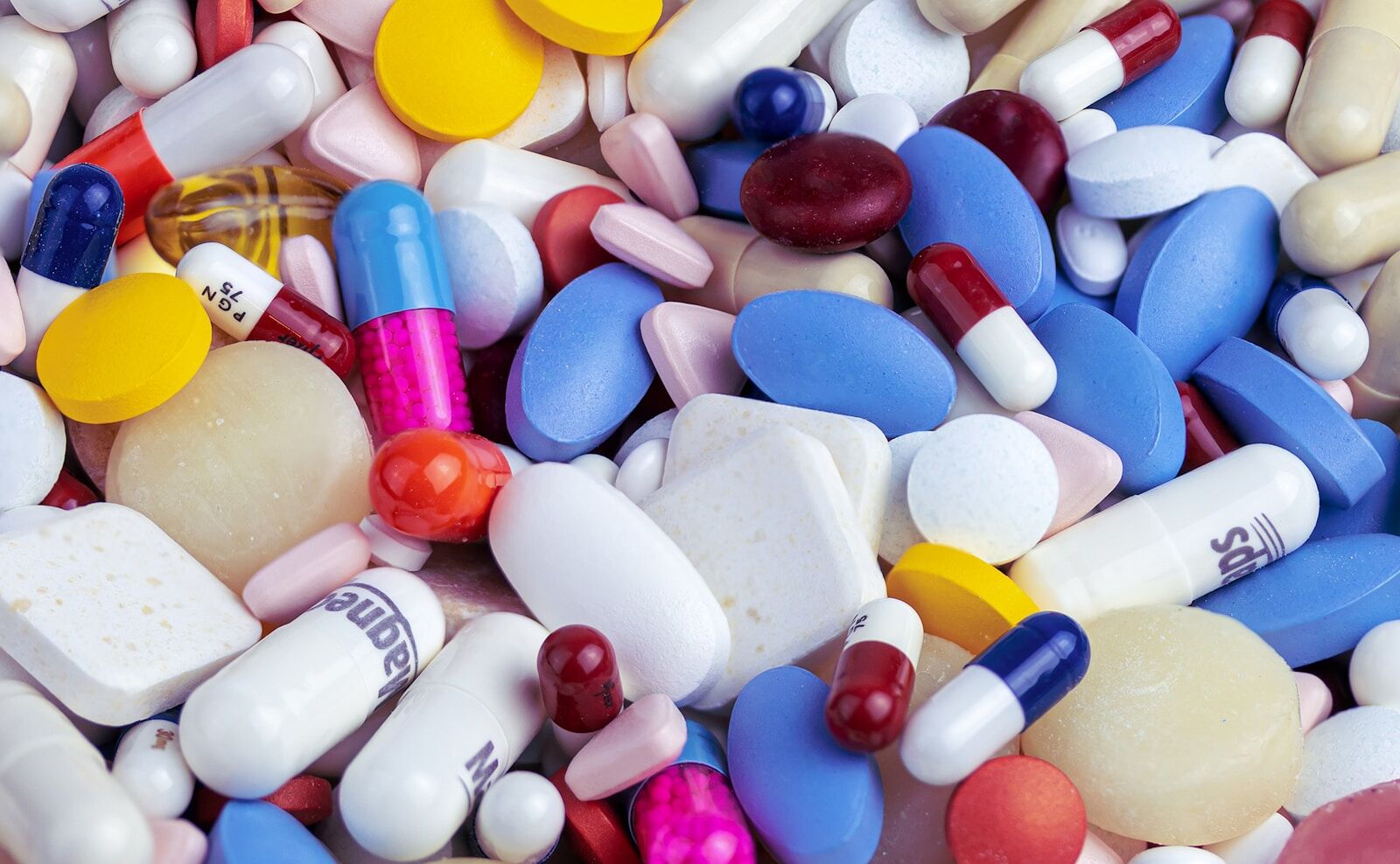
You can buy it at a gas station. It’s sold in a bright pouch near the register, labeled as a natural supplement, and for a while it might feel harmless. Then one day you realize you can’t get through a morning without it, and stopping makes you sick. That’s the quiet trap of kratom, and of a stronger cousin called 7-OH that’s showing up on the same shelves.
Most people who get pulled into it didn’t think they were using an opioid. They figured they were taking an herbal pick-me-up or a way to ease pain. The truth is more complicated, and worth understanding before it catches someone you love off guard.
What kratom actually is
Kratom comes from the leaves of a tree that grows in Southeast Asia. People take it as a powder, a capsule, or a drink. In small amounts it can act like a stimulant. In larger amounts it acts more like an opioid, because its active ingredients latch onto the same receptors in the brain that drugs like codeine and morphine do.
That’s why people reach for it. Some use kratom for chronic pain. Some use it for anxiety or low energy. And a lot of people turn to it trying to get off stronger opioids or to manage withdrawal, hoping it’s the safer choice. It’s more common than you might guess. The FDA, citing federal survey data, estimates that about 1.7 million Americans aged 12 and older used kratom in 2021.
Used once in a while, many people don’t run into trouble. The problem is what happens when use becomes daily, and especially what happens with the concentrated products that have flooded the market lately.
The hidden opioid inside the plant
Here’s the part most labels won’t tell you. Kratom leaves contain dozens of compounds, but one of them, 7-hydroxymitragynine, or 7-OH, behaves like a powerful opioid.
In a natural kratom leaf, 7-OH is a tiny fraction of the plant, less than 2 percent of its active compounds, according to the FDA. But manufacturers have learned to concentrate and enhance it. The 7-OH products now sold as tablets, gummies, and shots can be far stronger, and the FDA reports that 7-OH is significantly more potent at the brain’s opioid receptors than morphine. That’s the hidden opioid. It looks like a wellness product, but it can hit harder than a prescription painkiller.
Federal regulators have started to respond. In 2025, the FDA recommended that concentrated 7-OH be scheduled as a controlled substance and warned that it isn’t legal in supplements or foods. The rules are still catching up, which means these products stay widely available even as concern about them grows.
How dependence sneaks up on people
Anything that works on opioid receptors can lead to tolerance. That means you need more over time to get the same effect. More leads to physical dependence, where your body starts to rely on the substance just to feel normal. Stop suddenly, and withdrawal hits.
Kratom and 7-OH withdrawal looks a lot like opioid withdrawal: aches, sweating, nausea, anxiety, trouble sleeping, and cravings that are hard to ignore. It’s miserable enough that many people keep using just to hold it off, which is exactly how the cycle tightens.
The harm is showing up in the data. The CDC reported that calls to U.S. poison centers about kratom rose more than 1,200 percent between 2015 and 2025, reaching a record 3,434 reports in 2025 alone. That same report tied 233 deaths to kratom over the decade, most of them involving other substances as well. These aren’t reasons to panic. They’re reasons to take dependence seriously instead of assuming a “natural” label means safe.
How recovery actually works
The first thing to know is that kratom or 7-OH dependence isn’t a willpower problem, and quitting cold turkey on your own isn’t the only path, or usually the best one.
Because the withdrawal is opioid-type, medical support helps a lot. A doctor can ease the worst of it, and in many cases the medications used for opioid use disorder, like buprenorphine, make the process safer and far more bearable. Trying to white-knuckle it alone is what sends most people back to the pouch.
Recovery also means looking at why the use started. If it was chronic pain, that pain needs a real plan. If it was anxiety, trauma, or depression underneath, treating that is part of staying off it for good. This is where structured care earns its keep. Working with professional help for kratom dependence gives you medical support for the withdrawal and treatment for whatever the substance was covering up, so you’re not left fighting the same battle alone.
Plenty of people get free of kratom and 7-OH and stay that way. It usually takes the right help, not more grit.
When to reach out
You don’t need to hit some dramatic bottom to deserve help. If you’ve tried to stop and couldn’t, if you’re using more than you meant to, or if the thought of running out makes you anxious, those are signals worth taking to a professional. The same goes if you’re watching someone you love slide deeper into it.
A good first step is an honest conversation with a treatment provider who understands kratom and 7-OH specifically, since not every program does. And if things ever feel truly overwhelming, or you’re having thoughts of harming yourself, you can reach the 988 Suicide & Crisis Lifeline any time by calling or texting 988.
The part worth remembering
The most dangerous thing about kratom and 7-OH is how ordinary they look. A pouch by the register doesn’t feel like a prescription opioid, but for a lot of people it acts like one, and it can take hold before anyone sees it coming. Knowing what these products really do is the first step. Getting the right help is how people put them down for good.
Sources
- U.S. Food and Drug Administration (FDA), FDA and Kratom — an estimated 1.7 million Americans aged 12+ used kratom in 2021 (per SAMHSA’s National Survey on Drug Use and Health); 7-OH is a minor alkaloid (less than 2% of natural kratom leaf) yet substantially more potent at mu-opioid receptors than morphine. https://www.fda.gov/news-events/public-health-focus/fda-and-kratom
- Centers for Disease Control and Prevention (CDC), Increases in Kratom-Related Reports to Poison Centers — National Poison Data System, United States, 2015–2025 (MMWR, March 26, 2026) — kratom-related poison center calls rose more than 1,200% between 2015 and 2025 (3,434 reports in 2025); 233 kratom-associated deaths were reported over the period, 79% involving multiple substances. https://www.cdc.gov/mmwr/volumes/75/wr/mm7511a1.htm
- U.S. Department of Health and Human Services (HHS) / U.S. Food and Drug Administration (FDA), 2025 — following a scientific and medical review, HHS and FDA recommended that the DEA schedule concentrated 7-OH; 7-OH is not lawful in dietary supplements or foods. https://www.hhs.gov/press-room/hhs-fda-support-dea-7-oh-scheduling.html





Leave A Comment