
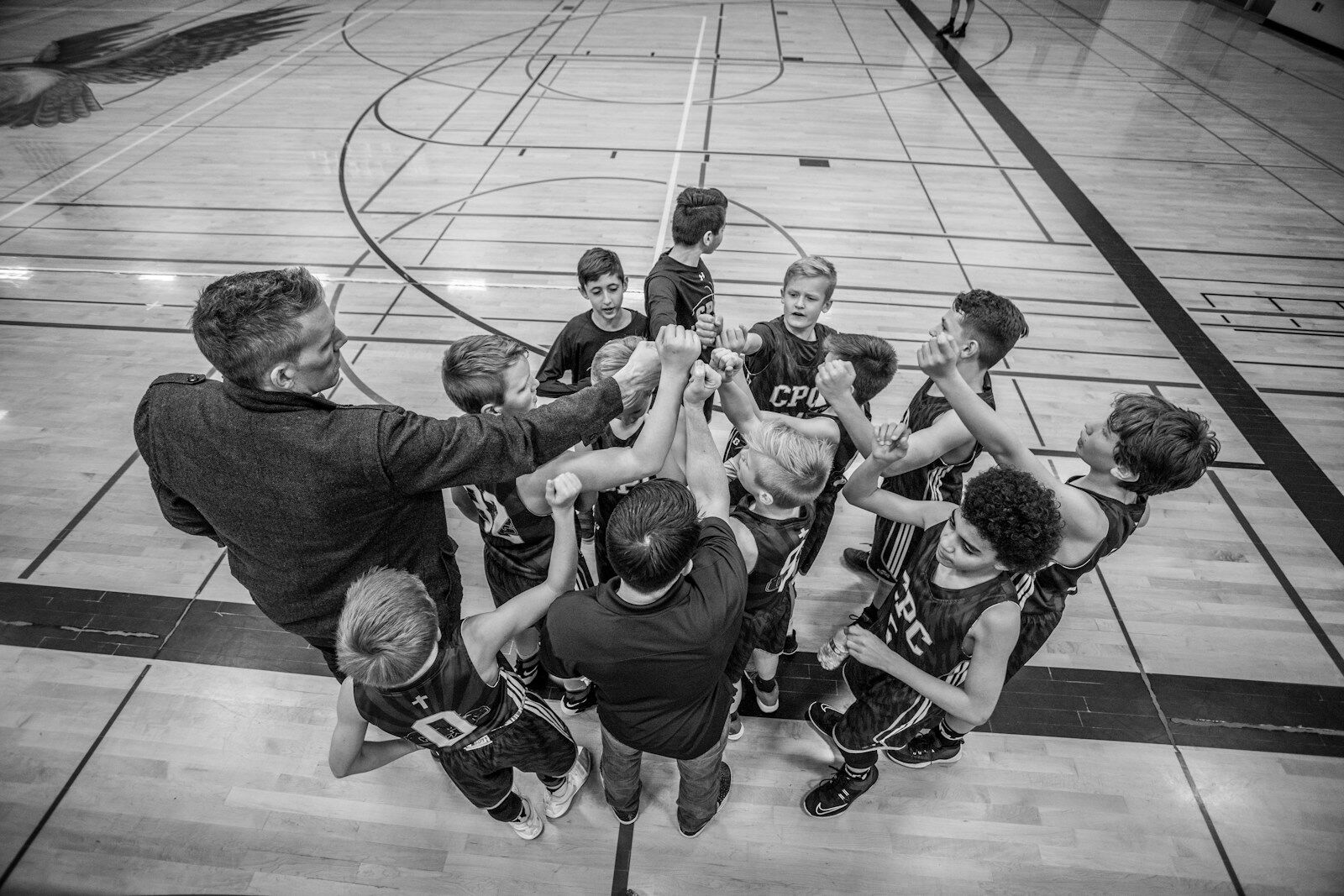
The start of a new term always brings a familiar mix of feelings. Fresh uniforms, sharpened pencils, and children who are half nervous, half thrilled to see their friends again. Amid the focus on reading levels and spelling lists, one skill tends to get overlooked in those first busy weeks: the ability to work well with others.
Teaching children to be team players early on is not about turning them into people-pleasers. It is about giving them the tools to listen, share, disagree kindly, and pull together toward something bigger than themselves. September, with its clean slate and new class dynamics, happens to be the perfect moment to lay those foundations.
Why the first weeks of term matter
Children arrive back in the classroom having to renegotiate friendships and find their place all over again. New seating plans, new group projects, sometimes an entirely new school. That reshuffling can feel unsettling, but it is also an opportunity.
When adults encourage cooperation during this settling-in period, children learn that a group can be a source of comfort rather than competition. A child who feels part of a team is more likely to speak up, ask for help, and take small risks with their learning. Those habits, formed early, tend to stick.
The quiet skills behind good teamwork
Being a team player sounds simple, but it draws on a surprising number of skills. Patience while someone else finishes speaking. Generosity when sharing the interesting job rather than the dull one. The confidence to offer an idea, and the grace to let it go when the group chooses another.
None of this comes automatically. It is learned through practice, gentle guidance, and plenty of real situations to get it wrong and try again. Many forward-thinking schools now build these experiences into everyday life, from group science tasks to shared responsibility for the classroom. At a school that nurtures collaboration alongside academic strength, teamwork is treated as part of a child’s education rather than an afterthought.
What parents can do at home this term
Home is where a lot of this quietly takes shape. A few small habits go a long way:
- Give children shared jobs. Setting the table together, tidying a room as a pair, or planning a family outing all teach negotiation and compromise.
- Praise the effort, not just the win. Notice when your child helped a sibling or waited their turn. Naming good teamwork makes children want to repeat it.
- Let them resolve small disagreements. Stepping in too quickly robs children of the chance to practise. Offer support, but give them room to find their own footing.
These moments feel ordinary, yet they build the same muscles a child will use in the playground and, later, in the workplace.
Looking beyond the school gates
The reason to start early is simple. The skills that make a good team player, empathy, communication, resilience, are the same ones that shape confident, considerate adults. Children who learn to value the people around them tend to grow into people others want around them.
As term settles into its rhythm, it is worth remembering that not every important lesson appears on a report card. The friendships forged over a shared project and the pride of finishing something as a group are lessons that last well beyond the classroom. Schools such as St Helens London understand this balance, and parents can find out more at https://sthelens.london.
A team player is not born fully formed. They are grown, one shared moment at a time, and there is no better season to begin than now.
—
*This article was contributed by the team at St Helens London, an independent day school for girls in the heart of the city, known for combining academic ambition with genuine care for each child’s wider development. St Helens London supports families in raising confident, curious and kind young people ready for the world beyond school.*






Leave A Comment