
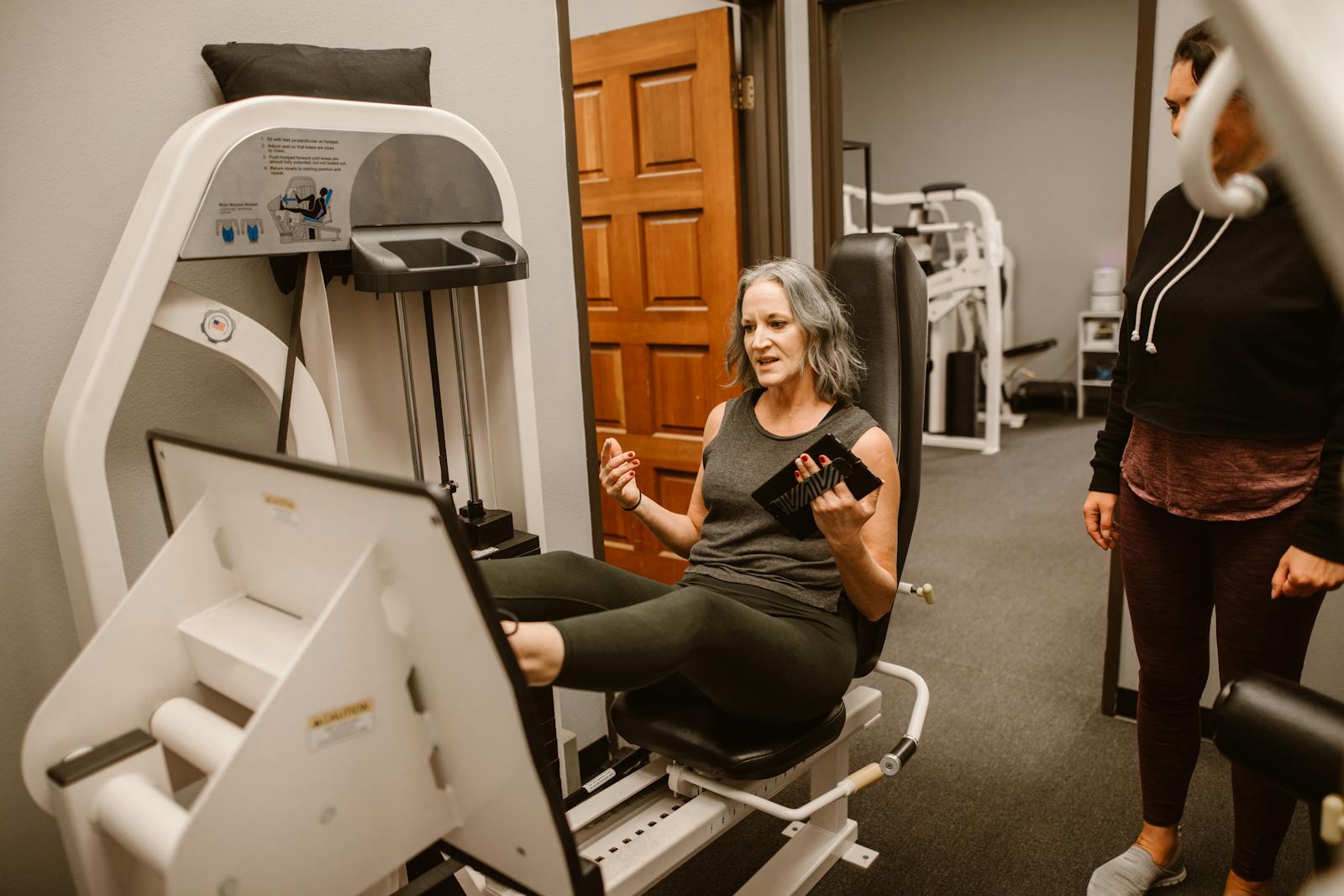
Perimenopause, the transitional phase leading up to menopause, can bring a host of physical and emotional changes, often starting in a woman’s 40s. I myself have been going through it for about two years already, and let me tell you, it’s no walk in the park!
Shifts in hormones during this time can impact muscle mass, bone density, metabolism, and even mood. Fortunately, weight training with dumbbells and barbells can offer powerful support during this life stage, helping women maintain their strength, vitality, and overall health.
Here’s how weight training can be a game-changer for women in perimenopause:
1. Preserving Muscle Mass and Boosting Metabolism
As estrogen levels fluctuate, many women experience muscle loss (also called sarcopenia), which can lead to a decrease in strength and a slower metabolism. Weight training with both dumbbells and barbells can help counter this by encouraging muscle growth and maintenance. Not only does this help women stay strong, but it also boosts metabolism. Muscle burns more calories than fat, even at rest, which can be beneficial for countering the weight gain sometimes associated with hormonal changes during perimenopause.
2. Strengthening Bones to Prevent Osteoporosis
Bone density naturally decreases as we age, and the rate of bone loss can increase during perimenopause. Weight-bearing exercises are essential for maintaining strong bones, as they stimulate bone growth and reinforce skeletal strength. Exercises like squats, deadlifts, and lunges with barbells are particularly effective in building bone density in the hips, spine, and legs—areas most vulnerable to fractures. Dumbbells also engage stabilizing muscles around the joints, which not only strengthens these areas but also reduces joint stress and improves balance.
3. Improving Balance and Coordination
Maintaining balance becomes increasingly important as we age, and weight training can help improve coordination and stability, reducing the risk of falls. Dumbbell exercises, in particular, require more stability and engage smaller muscles around joints, strengthening the core and enhancing overall balance. Barbell exercises, like squats and lunges, complement this by building core strength and stability, further supporting posture and coordination.
4. Supporting Emotional Health and Reducing Stress
Perimenopause often brings mood swings, irritability, and higher levels of stress due to hormonal changes. Weight training can help counter these emotional effects by releasing endorphins, which are natural mood boosters. Strength training also builds confidence, providing a sense of control over one’s body and fostering a positive self-image, which can be particularly empowering during a time of physical change.
5. Enhancing Heart Health and Reducing Disease Risk
During perimenopause, women face an increased risk of conditions like heart disease and type 2 diabetes. Strength training improves cardiovascular health by helping to regulate blood pressure, support healthy cholesterol levels, and improve insulin sensitivity. Additionally, by promoting a healthy body composition with more muscle and less fat, weight training can help reduce body fat—a key factor in supporting long-term heart health.
6. Customising Training for Flexibility and Joint Health
For women who experience joint discomfort, dumbbells allow for a greater range of movement and customizable weight loads, making it easy to find comfortable positions that don’t put unnecessary stress on sensitive joints. Dumbbells are also ideal for gradual progression, allowing you to build up strength slowly and safely. This adaptability is crucial during perimenopause when flexibility and balance are particularly important.
Sample Weight Training Routine for Perimenopausal Women
If you’re new to weight training or looking for ideas to maximize benefits, here’s a simple routine combining dumbbells and barbells:
- Barbell Squats: Build leg strength and support bone density in the hips and spine.
- Dumbbell Shoulder Press: Strengthen the shoulders and arms, using stabilizing muscles to protect shoulder joints.
- Barbell Deadlifts: Engage the glutes, hamstrings, and back muscles, strengthening the core and lower body.
- Dumbbell Lunges: Enhance balance and coordination with unilateral leg work.
- Dumbbell Rows: Strengthen the back and improve posture, which can be affected by hormonal shifts.
Embracing Strength Training for Health and Vitality
Perimenopause is a unique stage in a woman’s life that brings change and sometimes challenges. Weight training offers a powerful, versatile approach to preserving health, strength, and confidence, helping women thrive during this transition and beyond. Whether you’re lifting dumbbells, barbells, or a combination of both, the key is consistency and finding a routine that you enjoy. With a balanced weight training program, you can build resilience, safeguard your health, and embrace a stronger, healthier version of yourself through perimenopause and beyond.






Leave A Comment