
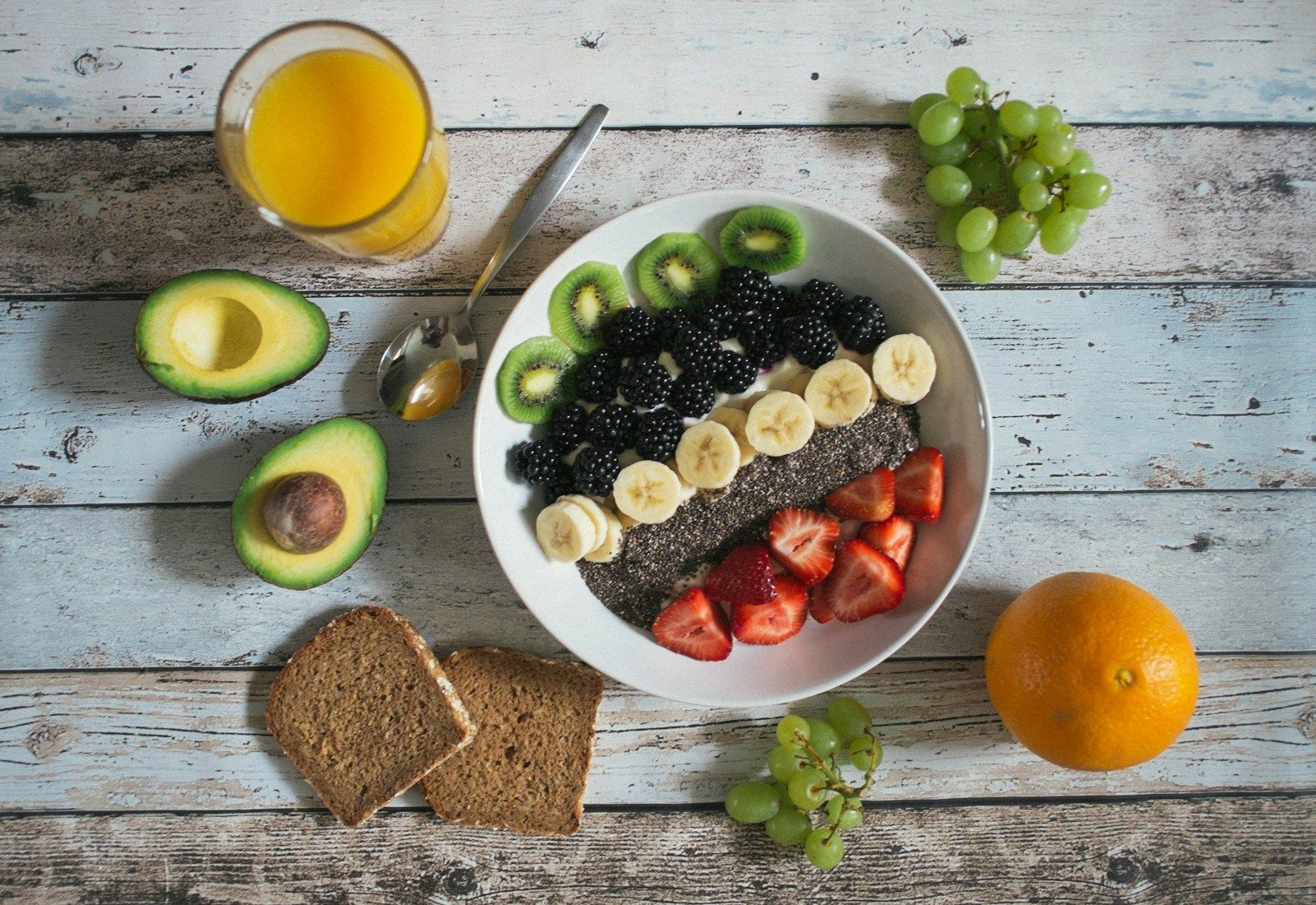
In today’s fast-paced world, ensuring that your child eats a healthy diet can be challenging. Parents must be diligent about their children’s nutrition, between busy schedules, the allure of fast food, and the constant bombardment of junk food advertisements. A balanced diet is crucial for a child’s growth, development, and overall well-being. Here’s how you can help ensure your child eats a healthy diet.
Start with Education
Teach the Basics of Nutrition
Begin by educating your child about the basics of nutrition. Explain the importance of different food groups and how they contribute to a healthy body. To illustrate these concepts, use simple, age-appropriate language and visuals, like food pyramids or plates.
Lead by Example
Children often emulate their parents’ behaviours. By making healthy food choices yourself, you set a positive example, according to the best independent schools in Cambridge. Show enthusiasm for fruits, vegetables, whole grains, and lean proteins, and your child is likely to follow suit.
Plan Balanced Meals
Incorporate All Food Groups
Ensure each meal includes a variety of food groups: fruits, vegetables, grains, protein, and dairy. A balanced plate provides essential nutrients and helps maintain energy levels throughout the day.
Focus on Portion Control
Teach your child about appropriate portion sizes to avoid overeating. Use smaller plates for younger children and encourage them to listen to their bodies’ hunger and fullness cues.

Make Healthy Foods Accessible
Keep Healthy Snacks on Hand
Stock your pantry and fridge with nutritious snacks like fresh fruit, cut vegetables, yoghurt, nuts, and whole-grain crackers. Having healthy options readily available makes it easier for your child to make good choices.
Limit Junk Food
Reduce the availability of unhealthy snacks and sugary beverages at home. Instead, offer healthier alternatives like water, milk, and natural fruit juices. Limiting junk food can help prevent unhealthy eating habits from forming.
Involve Your Child in Meal Planning and Preparation
Let Them Help
Involving your child in meal planning and preparation can make them more interested in eating healthy. Allow them to pick out fruits and vegetables at the store, help with washing and chopping, and assist in cooking simple dishes.
Make It Fun
Turn meal preparation into a fun activity. Use cookie cutters to create fun shapes with fruits and vegetables, and encourage your child to create colourful and appealing plates. Making food fun can increase their willingness to try new, healthy foods.
Educate About Moderation and Balance
Explain Treats in Moderation
Teaching your child that treats and sweets are okay in moderation is important. Explain that these foods are not off-limits but should be enjoyed occasionally as part of a balanced diet.
Avoid Using Food as a Reward
Using food, especially sweets, as a reward can create an unhealthy relationship with food. Instead, reward good behaviour with non-food-related treats like a trip to the park, a fun activity, or extra playtime.
Encourage Regular Meals and Healthy Eating Habits
Set Regular Meal Times
Establish regular meal and snack times to help regulate your child’s appetite and prevent overeating. Consistent eating schedules can also provide a sense of security and routine.
Practice Mindful Eating
Teach your child to eat slowly and savour their food. Please encourage them to pay attention to flavours, textures, and smells and to stop eating when they feel full. Mindful eating promotes better digestion and prevents overeating. Family life is often busy and chaotic but try quick and easy meals for busy families that don’t take a lot of time to prep so you can spend more time actually eating the food.

Educate on the Importance of Hydration
Promote Water Consumption
Encourage your child to drink plenty of water throughout the day. Water is essential for maintaining hydration, aiding digestion, and supporting overall health. Make water the beverage of choice during meals and throughout the day.
Limit Sugary Drinks
Reduce the intake of sugary drinks such as soda, sports drinks, and sweetened juices. These beverages are high in empty calories and can contribute to weight gain and dental problems.
Address Picky Eating
Be Patient with New Foods
Introduce new foods gradually and be patient if your child is hesitant. It can take multiple exposures to a new food before a child accepts it. Encourage them to try new foods but don’t force them to eat.
Offer a Variety of Choices
Provide a variety of healthy options at each meal. Allow your child to choose from these options, giving them a sense of control while ensuring they still eat a nutritious meal.
Ensuring your child eats a healthy diet is a continuous process that requires patience, persistence, and creativity. By educating them about nutrition, making healthy foods accessible, involving them in meal preparation, and promoting balanced eating habits, you can help your child develop a positive relationship with food.
These efforts will not only support their growth and development but also lay the foundation for a lifetime of healthy eating habits. Remember, small, consistent changes can make a big difference in your child’s health and wellbeing.






Leave A Comment