
The best way to avoid needing to repair sun damaged skin is always to wear sunblock to protect your skin, from childhood! But if you’re like me, in your 40s, and didn’t head that advice for the first 30+ years of your life, let’s take a look at some of the ways you can repair your sun damage skin, in no particular order … so keep on reading!
Sunshine is great for our health, but too much of it can leave your skin crying out for help. Those fun beach days and afternoon strolls can result in sun damage, making your skin look tired and aged.
But hey! Don’t stress! We’ve compiled a list of seven recommended treatments that can rejuvenate your skin and bring back that youthful glow. Whether you’re dealing with minor sunspots or deeper wrinkles, these solutions are here to help.
This is a contributed article – please seek medical and cosmetic advice from a trained and certified professional.
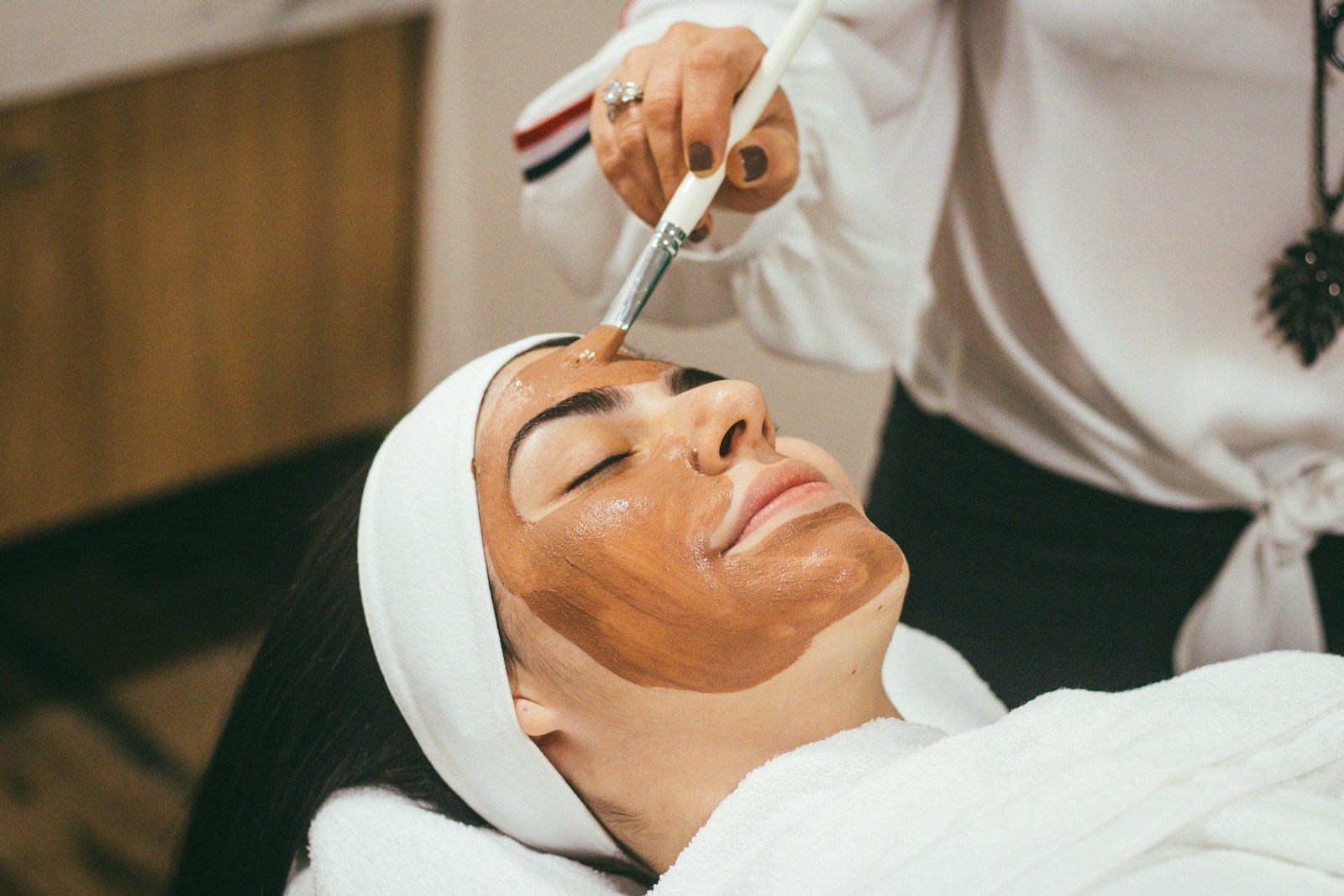
1. Chemical Peels
Chemical peels are a favourite among dermatologists for a good reason. This treatment involves applying a chemical solution to the skin, which exfoliates and eventually peels off, revealing a smoother, less damaged layer of skin underneath. It’s like hitting the reset button for your face!
Chemical peels can vary in strength, so it’s important to consult with a professional to determine the right type for your skin. Light peels might use alpha-hydroxy acids (AHAs) for minor sun damage, while deeper peels might use trichloroacetic acid (TCA) for more severe cases.
2. Facelift
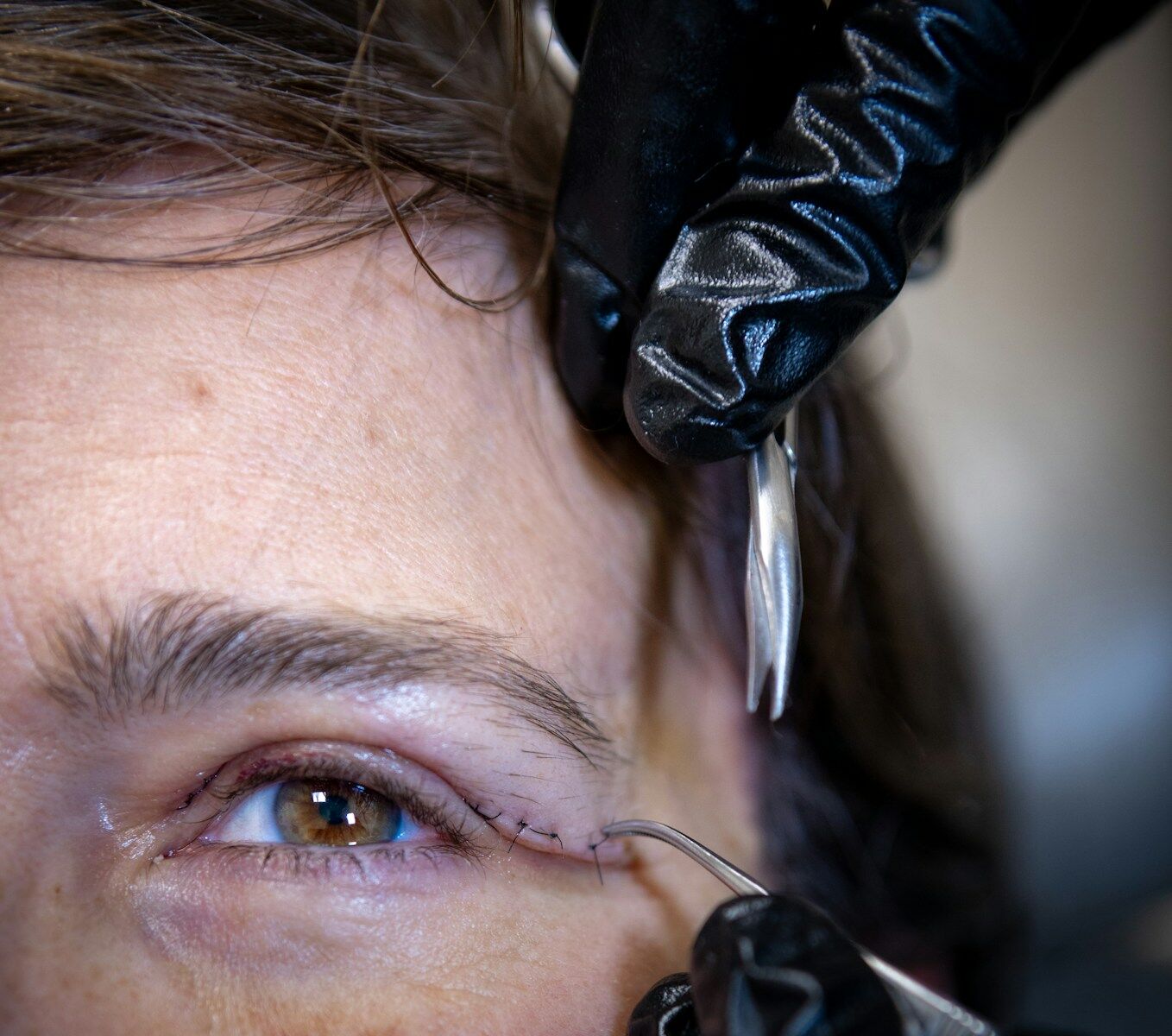
A facelift, or rhytidectomy, can be an effective option for addressing severe sun damage, especially when the skin has lost its elasticity and firmness.
This surgical procedure tightens the underlying muscles and removes excess skin, which can significantly reduce the appearance of deep wrinkles and sagging caused by prolonged sun exposure. While it might sound drastic, many patients find the results to be remarkably rejuvenating.
3. Topical Retinoids
Topical retinoids might be your best bet if you prefer an at-home treatment. Retinoids, derived from vitamin A, are renowned for speeding up cell turnover and improving skin texture. They can help fade dark spots, reduce fine lines, and even out skin tone.
It’s crucial to start slowly when using retinoids, as they can be quite potent. Over-the-counter options like retinol are a good starting point, but a prescription-strength retinoid might be necessary for more significant results.
4. Topical Antioxidants
Topical antioxidants are a must-have in your skincare arsenal when combating sun damage. Products containing vitamins C and E, as well as ferulic acid, can work wonders in neutralizing free radicals caused by UV exposure. These antioxidants help repair the skin by boosting collagen production, reducing fine lines, and evening out skin tone. Incorporating a serum or moisturizer rich in these ingredients into your daily routine can make a significant difference. Regular use not only aids in repairing existing damage but also provides a protective barrier against future harm. Your skin will thank you for this powerful defense!
5. Antioxidant Serums
Antioxidants are your skin’s best friend when it comes to repairing sun damage. These powerful compounds fight off free radicals, which are molecules that damage skin cells and accelerate ageing. Vitamin C is one of the most effective antioxidants for skin repair.
Applying a vitamin C serum daily can help reduce hyperpigmentation, improve skin elasticity, and give your skin a healthy glow. For the best results, look for serums with a concentration of 10-20% vitamin C.
6. Laser Therapy
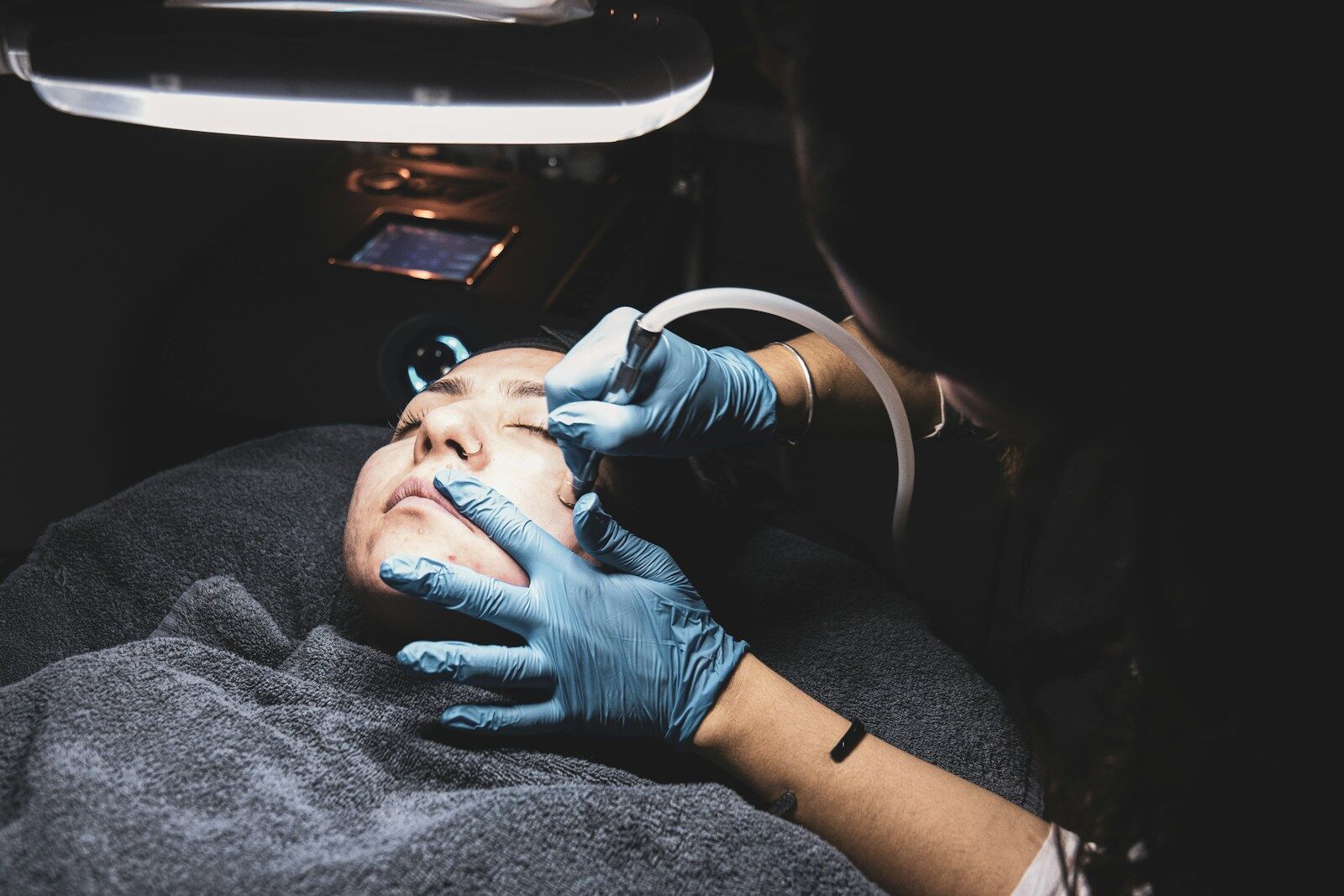
Laser therapy is another top-notch treatment for sun damage. This high-tech solution uses focused light to remove damaged skin cells and stimulate the growth of new ones. There are different types of laser treatments, but fractional lasers are particularly effective for sun damage.
Fractional lasers work by creating micro-injuries in the skin, prompting your body to repair itself with fresh, healthy skin cells. The result? Reduced pigmentation, fewer fine lines, and an overall rejuvenated complexion.
If you’re looking for a non-invasive light-based option that can be used at home, devices such as the Glokore LED Mask are sometimes included as part of a broader skincare routine. Red light therapy has been studied for its potential to support collagen production, improve overall skin tone, and help reduce some visible signs of sun damage over time. When used consistently and as directed, it may complement other skincare treatments.
7. Hydration and Moisturizers
Sometimes, the simplest solutions are the most effective. Sun damage often leads to dry, flaky skin, so keeping your skin well-hydrated is essential. Drinking plenty of water is a no-brainer, but using a good moisturizer can make a world of difference too.
Look for moisturizers with ingredients like hyaluronic acid and glycerin, which draw moisture into the skin. Additionally, using products with ceramides can help strengthen your skin’s barrier, keeping moisture in and irritants out. You could always boost this with taking a collagen supplement to support the elasticity in your skin.
Final Words
Sun damage can be daunting, but with the right treatments, you can revive your skin and restore its natural beauty. Consistency is key when you opt for professional treatments like chemical peels and laser therapy or at-home remedies like retinoids and antioxidant serums. And don’t forget the basics – hydration and a good moisturizer can go a long way in repairing and protecting your skin.
It’s crucial to consult with a qualified plastic surgeon to discuss your goals and determine if a facelift is right for you. They can tailor the procedure to target specific areas of concern, providing a more youthful and refreshed appearance. Although recovery time is required, the long-term benefits of a facelift can be quite profound, offering a more lasting solution compared to non-surgical treatments.




Leave A Comment