
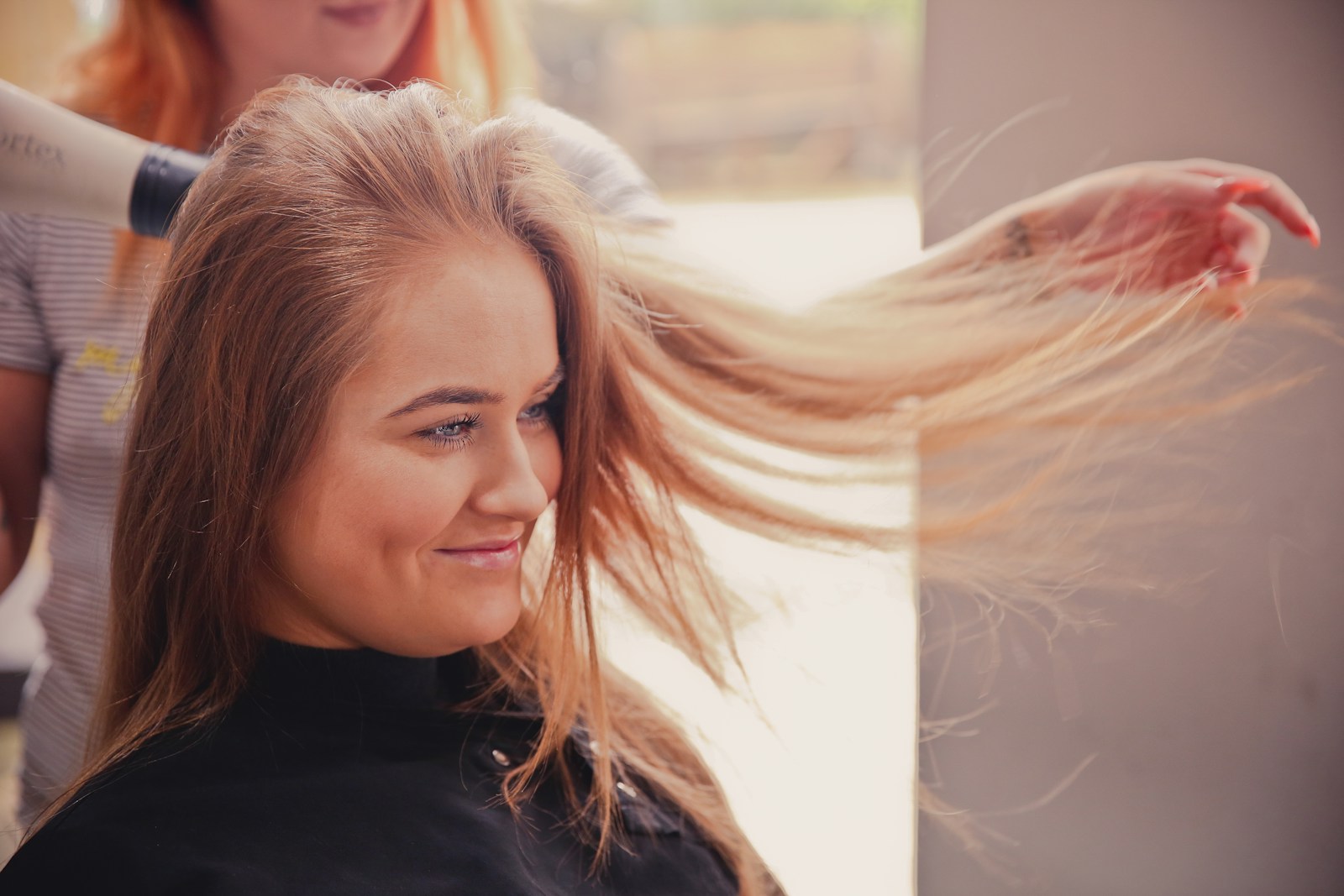
Heat styling tools have transformed the way we approach hair care, bringing salon-quality results within reach of our bathroom counters. Whether it’s the trusty hair straightener that’s earned a permanent spot on your vanity or the curling wand that creates those perfect beach waves, these devices have woven themselves into our daily routines. Yet with great styling power comes great responsibility—mastering the art of safe heat styling protects both your locks and your well-being.
Understanding Heat Styling Tools
The world of heat styling offers a tool for virtually every hair goal. Straighteners work their magic through heated plates that smooth and sleek unruly strands, while curling irons and wands wrap hair around heated barrels to craft everything from tight spirals to loose, romantic waves. Hot brushes offer a gentler approach, marrying the familiar comfort of your regular brush with controlled heat for added volume and polish.
The science behind these tools is elegantly simple: they apply controlled heat to temporarily break and reform your hair’s hydrogen bonds, essentially convincing your strands to hold a new shape. But here’s where things get tricky—this transformative process walks a fine line between stunning results and serious consequences. Without proper care, you’re looking at potential burns, fire risks, and the kind of progressive hair damage that can turn your crowning glory into a cautionary tale.
The Science of Heat and Hair Health
Your hair tells a story through its structure, and understanding that narrative is key to styling success. Picture your hair as having three distinct layers, with the outermost cuticle serving as your first line of defense against high temperature damage. When heat gets too aggressive, this protective layer lifts and fractures, creating a domino effect of moisture loss, increased porosity, and eventual breakage.
Not all hair speaks the same language when it comes to temperature tolerance. Fine or chemically-treated hair whispers its needs, typically thriving at gentler temperatures between 250-300°F. Coarse or thick hair, on the other hand, often demands more assertive heat—sometimes reaching 350-400°F—to achieve the same results. This is where heat protectant products become your hair’s best friend, forming a protective shield that locks in moisture while creating a buffer against direct heat exposure.
Think of repeated high-heat exposure as a slow burn that gradually compromises your hair’s protein structure. Each unprotected styling session chips away at your strands’ integrity, leaving them increasingly fragile and prone to damage.
Safe Usage Practices for Heat Styling Tools
When it comes to heat styling safety, there’s no room for shortcuts. Start with completely dry hair unless you’re working with a tool specifically engineered for damp application. Water and electricity make dangerous companions, so never use heat styling tools near water sources, and make unplugging your tools immediately after use a non-negotiable habit.
Storage might seem like an afterthought, but it’s where many accidents happen. Always let your tools cool completely before tucking them away, and invest in heat-resistant pouches or protective mats designed for this purpose. Hot tools left unattended while plugged in are accidents waiting to happen, and they should always be kept well out of reach of curious children and pets.
Here’s a scenario that plays out in bathrooms everywhere: you’ve just finished straightening your hair and set the hot iron down on a nearby towel while you apply makeup. That innocent-looking towel can quickly become scorched fabric—or worse, a fire hazard. Instead, designate heat-resistant surfaces or invest in cooling stands specifically designed for hot styling tools.
Minimizing Hair Damage During Styling
Protecting your hair goes far beyond simply spritzing on heat protectant, though that’s certainly step one. Sectioning your hair into workable portions prevents the common mistake of repeatedly passing tools over the same areas, ensuring even heat distribution while keeping exposure time to a minimum.
Temperature control is an art form in itself. Always start with the lowest effective temperature for your specific hair type and styling goals. Resist the urge to camp out in one spot with your tool—smooth, continuous movement prevents concentrated heat damage and delivers more consistent results. Don’t overlook the importance of keeping your tools clean, either. Product buildup on plates and barrels creates uneven heating and can cause painful hair pulling.
Key Takeaways for Healthy Heat Styling:
- Apply heat protectant without exception
- Match temperature settings to your hair’s specific needs
- Maintain constant movement to distribute heat evenly
Teaching Safe Styling to Young Users
Introducing teenagers and pre-teens to heat styling requires a thoughtful approach that balances independence with safety. Start by walking them through proper handling techniques, making heat protectant application and strategic sectioning second nature rather than optional steps.
Supervision during those first few styling sessions isn’t helicopter parenting—it’s smart safety practice. Use this time to reinforce essential habits like unplugging tools after each use and proper storage procedures. Most importantly, help young users understand how to read their hair’s needs and select appropriate temperature settings, preventing both immediate burns and the kind of long-term damage that takes years to repair.
Recognizing and Responding to Common Hazards
Your hair has ways of telling you when heat styling has crossed the line from helpful to harmful. Signs of heat damage manifest as increased dryness, an uptick in split ends, unusual breakage patterns, and that telltale loss of natural shine that no amount of glossing products can restore. When these red flags appear, it’s time to dial back the heat styling frequency and shift focus to restorative treatments.
If minor burns do occur, immediate cool water application is your first line of defense, followed by appropriate first aid measures. However, don’t hesitate to seek professional medical attention for severe burns or persistent scalp irritation. When in doubt, trust your instincts—if something feels off during your styling routine, pause and seek guidance from professionals.
Conclusion
Mastering safe heat styling is ultimately about finding that sweet spot between achieving your desired look and maintaining your hair’s long-term health. When you commit to understanding proper techniques, respecting temperature guidelines, and making safety protocols second nature, heat styling tools become powerful allies rather than potential threats.
The truth is, healthy hair and safe habits are inseparable partners in your styling journey. Every time you choose protection over shortcuts, you’re making an investment in your hair’s future and your own safety. Embrace these practices with confidence, knowing that informed decisions today lead to beautiful, healthy results that will serve you well for years to come.




Leave A Comment