
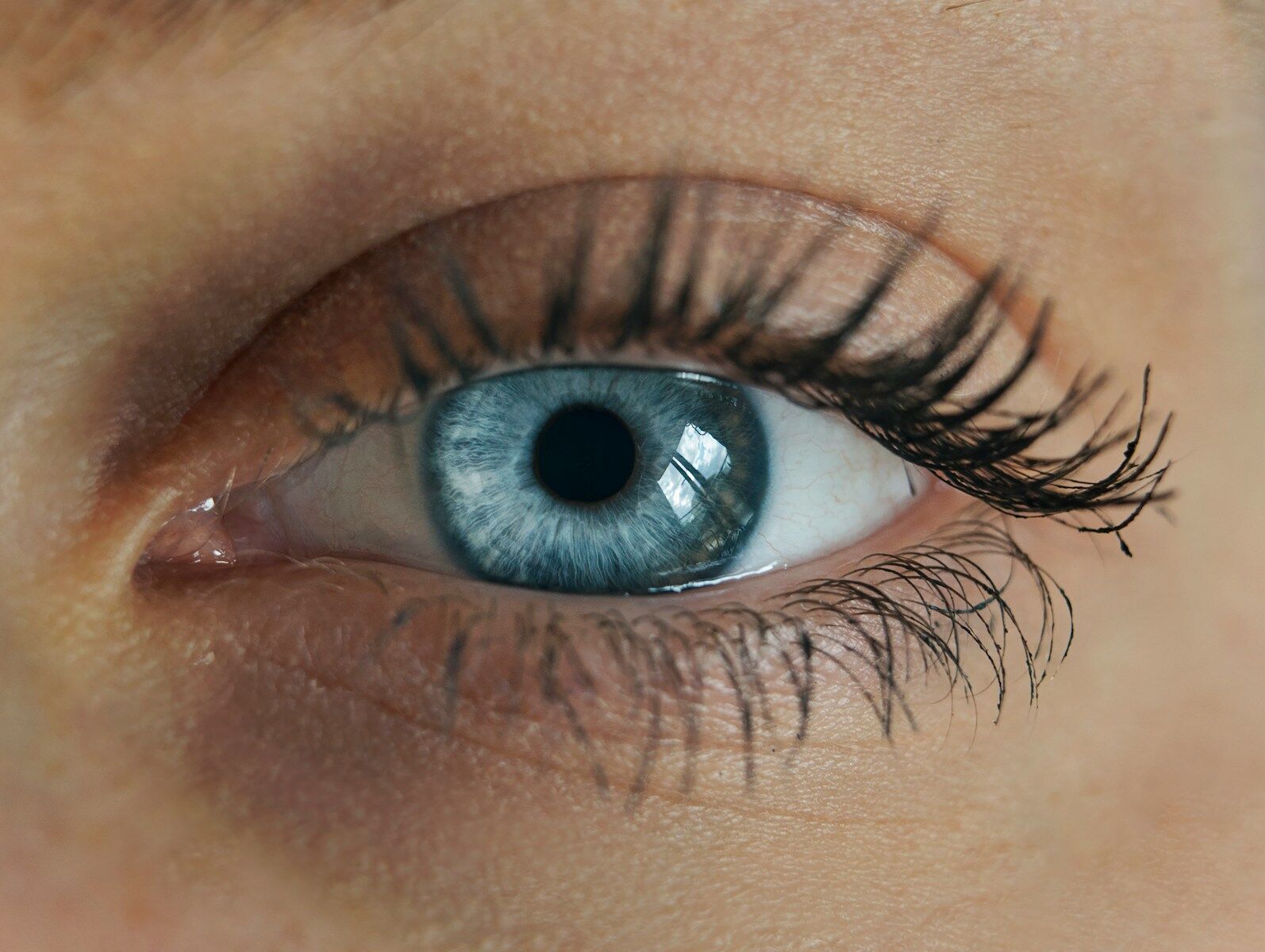
Most mascaras just coat your lashes. A true lash growth mascara goes a step further; it delivers active ingredients that interact with your hair follicles and lash cycle over time.
What separates a formula that actually delivers results from one that only looks good in the tube? Look, the answer lives in the ingredient list. Knowing what to look for changes everything.
The Active Growth Ingredients That Do the Real Work
The Forchics lash growing mascara belongs to a category of formulas made to work as both a cosmetic mascara and a conditioning lash treatment in one application. Other products like RapidLash Eyelash Serum and LashFood Phyto-Medic Eyelash Enhancer also combine cosmetic enhancement with nourishing ingredients. The ingredients below carry the clearest science behind them.
Biotin: The Follicle Strengthener
Biotin, also called vitamin B7, is one of the most well-researched ingredients tied to hair health. A 2017 review published in Skin Appendage Disorders found that biotin supplementation improved hair and nail growth in patients with documented deficiencies. In topical mascara formulas, biotin works at the follicle level; it helps reinforce the protein bonds that make up each lash strand.
Lashes shed and regrow in cycles lasting around 90 days, according to the American Academy of Ophthalmology. Biotin supports the anagen (active growth) phase by feeding the keratin structure. You won’t see overnight changes. But consistent use over 6-8 weeks tends to show noticeable differences in thickness and length.
Peptides: Tiny Proteins With a Big Job
Peptides are short chains of amino acids. They signal your skin and follicle cells to behave in specific ways. In lash formulas, peptide complexes like myristoyl pentapeptide-17 have been studied for their ability to increase keratin production, the structural protein lashes are made from.
A 2015 study in the International Journal of Cosmetic Science showed that lash serums containing peptides produced measurable increases in lash length over 12 weeks of use. The mechanism is straightforward: peptides tell follicle cells to stay in the growth phase longer, which means more length before the lash naturally sheds.
Castor Oil: Old-School, But It Works
Castor oil’s been used for hair growth far longer than modern cosmetic science has existed. It’s rich in ricinoleic acid, a fatty acid that accounts for roughly 85-95% of the oil’s composition (National Center for Biotechnology Information, 2022). Ricinoleic acid has documented anti-inflammatory properties. And inflammation around the follicle? That’s one of the quiet culprits behind thinning lashes.
In mascara formulas, castor oil does two things at once: it coats and conditions each lash to reduce breakage; it feeds the scalp-adjacent tissue at the lash line to keep follicles in better shape. The result isn’t dramatic overnight growth, but a gradual reduction in fallout.
Supporting Ingredients That Protect What’s Already There
Growth ingredients need a delivery system that doesn’t cancel them out. Many mascaras with promising active ingredients still fail because the surrounding formula is too harsh, stripping lashes rather than letting the actives work.
Hyaluronic Acid: Keeping the Follicle Environment Healthy
Hyaluronic acid is most familiar as a skin hydrator, but it serves a similar purpose in lash formulas. The lash follicle sits within the eyelid skin, and that skin needs to stay well-moisturized for follicles to function properly. Dry, stressed skin at the lash line can push follicles into the resting (telogen) phase ahead of schedule.
Hyaluronic acid holds up to 1,000 times its weight in water (Harvard T.H. Chan School of Public Health). Even a small concentration in a mascara formula creates a moisture-retaining environment at the lash base; this protects the follicle without clogging it.
Vitamin E (Tocopherol): The Antioxidant Shield
Free radicals and oxidative stress affect hair follicles like they affect skin cells. Vitamin E is a fat-soluble antioxidant that intercepts the damage. A 2010 study in Tropical Life Sciences Research found that tocotrienol supplementation (a form of vitamin E) led to a 34.5% increase in hair count in participants with hair loss after eight months.
In topical lash formulas, vitamin E doesn’t reach the bloodstream the way supplements do. But it still protects the lash strand and the surrounding follicle tissue from environmental stressors like UV exposure and pollution.
Panthenol (Pro-Vitamin B5): The Flexibility Factor
Panthenol converts to pantothenic acid once it contacts your skin. That conversion matters because pantothenic acid is a building block in coenzyme A synthesis, which plays a direct role in fatty acid metabolism within hair follicles (NIH National Library of Medicine). Put simply, panthenol helps lashes stay flexible and resist snapping instead of becoming brittle.
Brittle lashes break before they reach full growth potential. Panthenol closes that gap between what your follicles are producing and what’s actually surviving on your lash line.
What Ingredients in Lash Growth Mascara Are Actually Red Flags?
Not every mascara marketed as “lash growth” earns that label. Some formulas include ingredients that actively work against the goal.
Harsh Alcohols and Their Drying Effect
Short-chain alcohols like alcohol denat., SD alcohol and isopropyl alcohol show up in many mascaras for a quick-dry texture. The problem? These alcohols strip moisture from the lash strand and the follicle area. A product claiming to grow your lashes while simultaneously dehydrating them is working against itself.
Check the ingredient list. If a drying alcohol appears in the first five ingredients, the formula likely undermines any growth-supporting actives further down.
Formaldehyde-Releasing Preservatives
DMDM hydantoin, quaternium-15, and imidazolidinyl urea are common preservatives that slowly release formaldehyde as they break down. The Environmental Working Group (EWG) flagged these in its 2023 Skin Deep database update as potential irritants linked to contact dermatitis. Around the sensitive eye area, chronic irritation can damage follicles over time.
If your mascara contains any of these preservatives, it’s worth switching to a formula that uses safer alternatives like phenoxyethanol or sodium benzoate.
Synthetic Fragrances Near the Eye
“Fragrance” or “parfum” on an ingredient label is a catch-all term representing dozens of undisclosed chemicals. Near the eye, synthetic fragrance is a common trigger for allergic reactions and follicle inflammation. A mascara that’s supposed to grow your lashes has no business including this near the top of its ingredient list.
The truth is that many brands still use fragrance in cosmetics because it improves the sensory experience. But around the lash line, clean and fragrance-free is always the smarter choice.
Conclusion
The question of what ingredients in lash growth mascara actually make your lashes grow comes down to three things: active growth agents (biotin, peptides, castor oil); a supportive delivery environment (hyaluronic acid, vitamin E, panthenol); and the absence of ingredients that undo that work. Read the label before you buy. If the formula skips the actives or leads with harsh alcohols and synthetic fragrance, you’re paying for a regular mascara dressed up with better marketing.
ForChics builds its lash products around clean, plant-based ingredients chosen to support the natural lash cycle. That’s exactly the standard worth holding any lash growth formula to.




Leave A Comment