
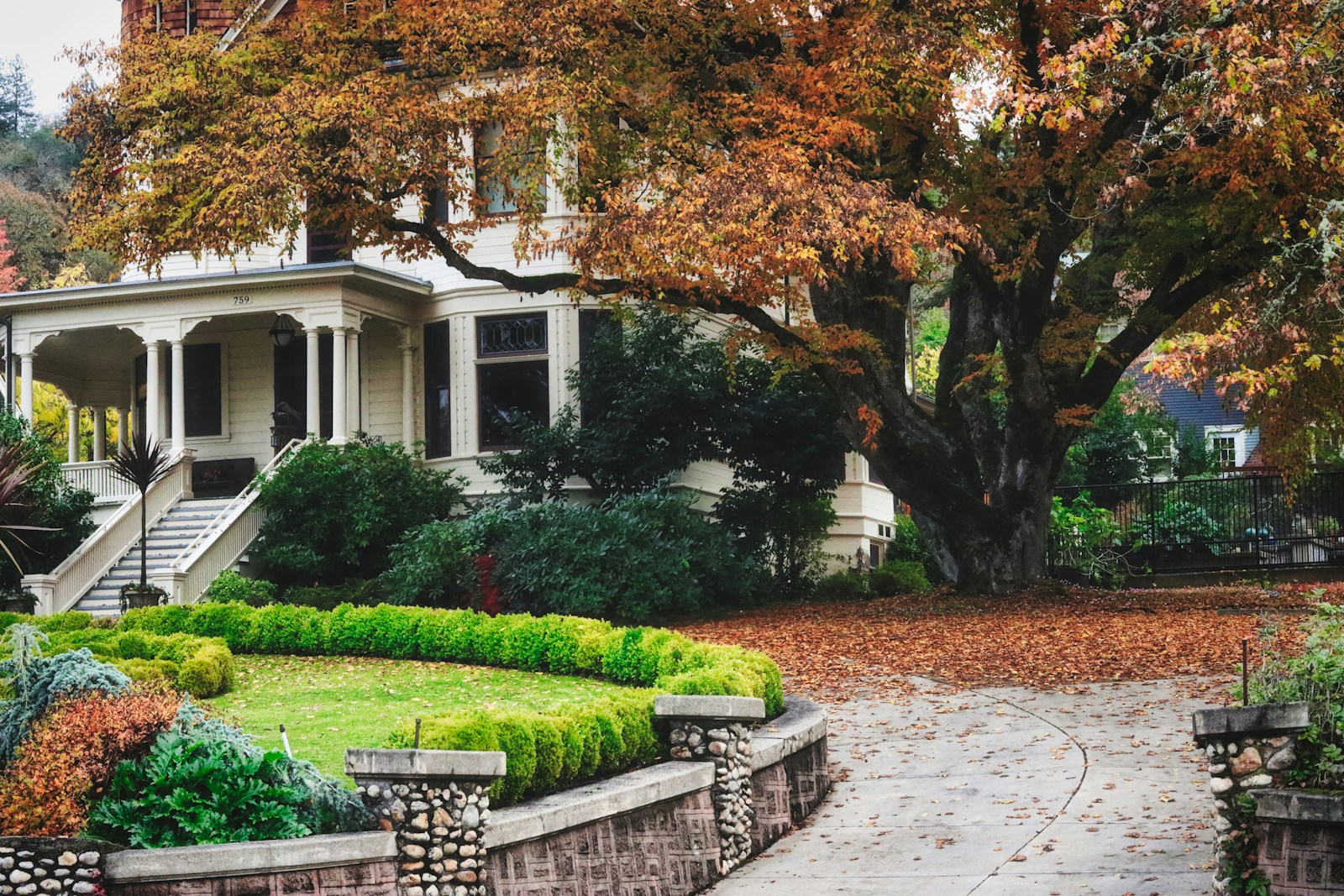
In Bethel Park, PA, homeowners enjoy a mix of quiet neighbourhoods, tree-lined streets, and seasonal weather that keeps things interesting all year. But with that charm comes the need for regular home maintenance. From heavy snowfall in winter to strong summer storms, local homes go through a lot. Over time, those conditions can cause wear and tear that affects your home’s safety and structure.
If you’re living in this part of Allegheny County, you probably know that keeping your house in good shape isn’t just about curb appeal. It’s about protecting your investment and keeping your family safe. Small issues, if left unaddressed, can develop into significant problems—from leaks and cracks to electrical concerns.
You don’t need to tackle everything at once. This guide walks through practical, manageable ways to improve both the safety and structural condition of your home, starting with one of the most important areas: the roof.
Start With the Roof: Your Home’s First Line of Defense
In Bethel Park, roofs take a beating throughout the year. Heavy rains in spring, summer heat, falling leaves in autumn, and ice buildup in winter all put pressure on shingles and roofing materials. Over time, even a well-built roof can start to show signs of age, like curling shingles, soft spots, or water marks on ceilings.
When these signs appear, it’s time to act. A worn-out roof doesn’t just affect the top of your home. Leaks can lead to mold, rot, and damage to walls, insulation, and even the foundation. That kind of deterioration isn’t always visible at first, but it weakens your home from the inside out.
If your home is older or has been through a few harsh winters, it may be worth having it inspected. If repairs aren’t enough, a full replacement might be a better long-term option. Reaching out to a Bethel Park roof replacement company is a smart move when your roof is past its prime. Local contractors understand the weather patterns and building styles in the area, which helps them recommend the right materials and solutions for lasting results.
Regular roof care doesn’t just stop leaks. It adds another layer of protection to the entire structure, starting at the top and working its way down.
Inspect the Foundation and Basement
Your home’s foundation supports everything above it, so keeping it in good shape is a big deal. Even small cracks can point to larger structural problems. If you notice doors sticking, uneven floors, or gaps around windows, those could be signs your foundation is shifting.
Moisture is often the root of foundation issues. Water pooling near the base of your home or leaking into the basement can cause the soil to shift and create pressure against the walls. That pressure leads to cracks and weakening over time.
Regular inspections help catch problems early. If you spot any signs of trouble, it’s smart to bring in a foundation expert. They can offer solutions like sealing cracks, adjusting grading, or installing sump pumps to manage water flow. These steps can go a long way in protecting your home from long-term damage.
Electrical System Safety Checks
A home’s electrical system powers everything from lights to major appliances, so keeping it safe should be a priority. Older wiring can wear down over time, creating risks like sparks or even electrical fires. Faulty connections, overloaded circuits, or exposed wires are common signs of trouble.
If your home is over 30 years old and hasn’t had an electrical inspection recently, it’s smart to schedule one. An electrician can spot outdated or unsafe wiring and recommend upgrades. Homes should also have ground fault circuit interrupters (GFCIs) in areas with moisture, such as kitchens, bathrooms, and basements. These devices help shut off power quickly if there’s an imbalance, lowering the risk of shock.
Small upgrades—like replacing damaged outlets or installing surge protectors—can make your system more reliable. Keeping your electrical setup up to date helps protect both your home and everyone living in it.
Secure Doors and Windows
Doors and windows do more than let light in or provide access—they also help keep your home safe. Weak locks, cracked frames, or poor seals can leave your home open to both intruders and bad weather.
Start by checking that each window and door closes properly and locks without issue. If you feel drafts or see gaps, you might need to reseal or replace weatherstripping. Upgrading to shatter-resistant glass or reinforced door frames adds another layer of safety.
Strong doors and properly sealed windows also help control temperature and keep pests out. Taking time to check these areas a couple of times a year can stop bigger problems from forming.
Plumbing and Moisture Control
Water leaks can slowly wear down your home’s structure without drawing attention. Small drips under sinks, behind appliances, or in crawl spaces may seem minor, but can cause big problems over time.
Moisture buildup can lead to rot, which weakens wooden beams and flooring. It also creates the perfect environment for mold and mildew, which aren’t just bad for your home, they’re bad for your health, too.
Inspect pipes and fittings regularly. Look for rust, mineral buildup, or signs of water stains. If your home has a basement or crawl space, consider adding vapor barriers or dehumidifiers. These help reduce moisture levels and protect the structure from slow damage.
Improve Fire Safety Measures
Fire safety doesn’t require complex systems. It starts with simple steps. Make sure smoke detectors are installed in every key area—bedrooms, hallways, and near the kitchen. Test them monthly and replace batteries twice a year.
Having fire extinguishers on each floor, especially in the kitchen and garage, gives you a tool to respond quickly if needed. Also, if you’re doing any major upgrades, look into fire-resistant insulation and materials. They can help slow the spread of flames and give you more time to act.
Taking these steps helps lower the risk of fire and provides peace of mind in your daily routine.
Reinforce Outdoor Safety Features
The outside of your home matters just as much as what’s inside. Check your gutters and downspouts; see if they’re clogged or broken, as water can pool near the foundation. That kind of pooling can damage the base of your house and lead to mold.
Look at outdoor steps, decks, and railings. Wood can rot or loosen over time, creating safety hazards. Tighten loose boards, replace broken railings, and reseal wood when needed.
Adding motion-sensor lights or simple security cameras can also help deter unwanted visitors and make outdoor areas safer to walk through at night.
A safe and solid home isn’t built in a day; it’s maintained with steady care. When you take time to check key parts of your house and fix small issues early, you protect its structure and the people inside. Whether it’s the roof, the foundation, or the electrical system, every upgrade adds to your home’s strength. A little attention today can prevent stress and repair bills down the road.




Leave A Comment