

Skin tightening treatments have gained popularity as a non-invasive solution for combating signs of aging. These procedures aim to stimulate collagen and elastin production, helping to firm and rejuvenate the skin. Most people can undergo skin tightening sessions every 4-6 weeks, depending on the specific treatment and individual skin needs.
The frequency of skin tightening treatments varies based on factors such as the technology used, treatment area, and desired results. Some procedures may require multiple sessions spaced over several months to achieve optimal outcomes. It’s essential to consult with a qualified professional to determine the most appropriate treatment plan for your unique situation.
Effective skin tightening in Toronto offers a range of options, from radiofrequency to laser treatments. These technologies work by delivering controlled heat to the deeper layers of skin, promoting collagen production and skin tightening. While results can be noticeable after a single session, a series of treatments is often recommended for more significant and long-lasting improvements in skin firmness and texture.
Key Takeaways
- Skin tightening sessions are typically spaced 4-6 weeks apart for optimal results
- Treatment frequency varies based on the specific procedure and individual skin needs
Understanding Skin Tightening Treatments
Skin tightening treatments offer non-invasive and minimally invasive options to address skin laxity and sagging. These procedures, often available at med spas, stimulate collagen production to improve firmness and elasticity in various areas of the body. A med spa combines advanced technology with a relaxing environment, making them an excellent choice for such treatments.
Different Types of Skin Tightening Procedures
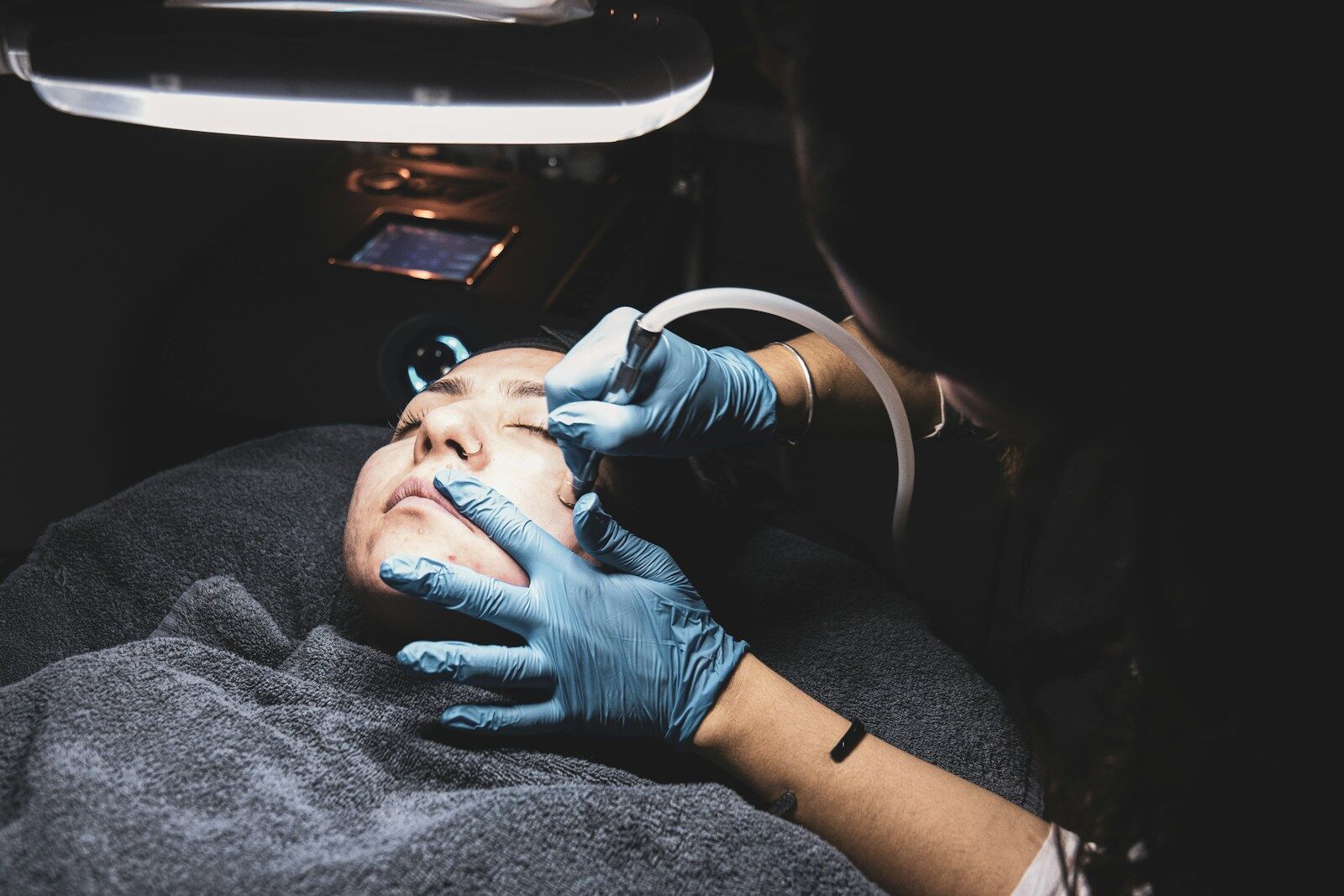
Radiofrequency treatments use heat energy to target deeper layers of skin, promoting collagen production. Ultrasound technology delivers focused energy to specific depths, stimulating collagen renewal. Laser treatments, including IPL, can address surface-level concerns while also promoting collagen growth.
Microneedling creates tiny punctures in the skin to trigger the body’s natural healing response. Some devices combine microneedling with radiofrequency for enhanced results. Morpheus8 is a popular option that combines these technologies.
Non-invasive procedures typically require no downtime, while minimally invasive options may involve short recovery periods. Surgical skin tightening remains the most dramatic option for severe skin laxity.
The Role of Collagen and Elastin
Collagen and elastin are proteins crucial for maintaining skin’s structure and elasticity. Collagen provides strength and support, while elastin allows skin to stretch and bounce back.
As we age, the production of these proteins slows down, leading to sagging and wrinkles. Skin tightening treatments aim to stimulate new collagen and elastin production.
Heat-based treatments cause controlled damage to existing collagen fibres. This triggers the body’s healing response, encouraging the production of new, tighter collagen structures.
Some treatments also target fibroblasts, the cells responsible for producing collagen and elastin. By activating these cells, treatments can lead to ongoing improvements in skin firmness and elasticity.
Suitable Areas for Treatment
Skin tightening procedures can address concerns on various parts of the body. The face and neck are common treatment areas, targeting jowls, cheeks, and loose skin under the chin.
On the body, treatments can improve skin laxity on the abdomen, arms, and thighs. These areas often experience sagging due to weight loss, pregnancy, or aging.
Chest and décolletage areas can also benefit from skin tightening treatments. These procedures can improve skin texture and reduce the appearance of fine lines and wrinkles.
The effectiveness of treatments may vary depending on the area and the degree of skin laxity. Multiple sessions are often required for optimal results, especially for non-invasive options.
Practical Considerations and Expected Results
Skin tightening sessions offer promising results but require careful planning and consideration. Factors like frequency, cost, and safety play crucial roles in the treatment journey.
Determining Session Frequency and Recovery
Most skin tightening treatments require multiple sessions for optimal results. Typically, patients undergo 3-6 sessions spaced 4-6 weeks apart. This interval allows the skin to recover and produce new collagen. Recovery time varies by treatment type. Radiofrequency treatments often have minimal downtime, with patients returning to normal activities immediately. Laser treatments may require 3-7 days of recovery.
Results develop gradually over 2-6 months as collagen production increases. Maintenance sessions every 6-12 months help prolong effects. Patients should consult their dermatologist or plastic surgeon to create a personalized treatment plan based on their skin condition and goals.
Costs and Insurance
Skin tightening procedures are generally considered cosmetic and not covered by insurance. Costs vary widely depending on the treatment area, technology used, and geographic location. A single session can range from $300 to $3,000.
Some clinics offer package deals for multiple sessions, which can reduce overall costs. Financing options may be available to make treatments more affordable. Patients should discuss pricing and payment plans with their provider before starting treatment.
It’s important to factor in potential costs for aftercare products or additional treatments to maintain results.
Safety, Side Effects, and Contraindications
Skin tightening treatments are generally safe when performed by qualified professionals. Common side effects include temporary redness, swelling, and mild discomfort. These typically subside within a few hours to days.
More serious complications are rare but can include burns, changes in skin texture, or uneven results. Patients with certain medical conditions should avoid skin tightening treatments:
- Active skin infections
- Pregnancy
- Pacemakers or metal implants (for radiofrequency treatments)
- History of keloid scarring
- Certain autoimmune disorders
A thorough consultation with a qualified provider is essential to assess individual risks and determine treatment suitability.
Conclusion
Skin tightening treatments require consistent sessions for optimal results. The frequency depends on the specific procedure and individual needs. Most patients undergo 3-6 initial sessions spaced several weeks apart. Maintenance treatments every 6-12 months help sustain the effects long-term. Consulting a qualified professional is essential to determine the ideal treatment plan.




Leave A Comment